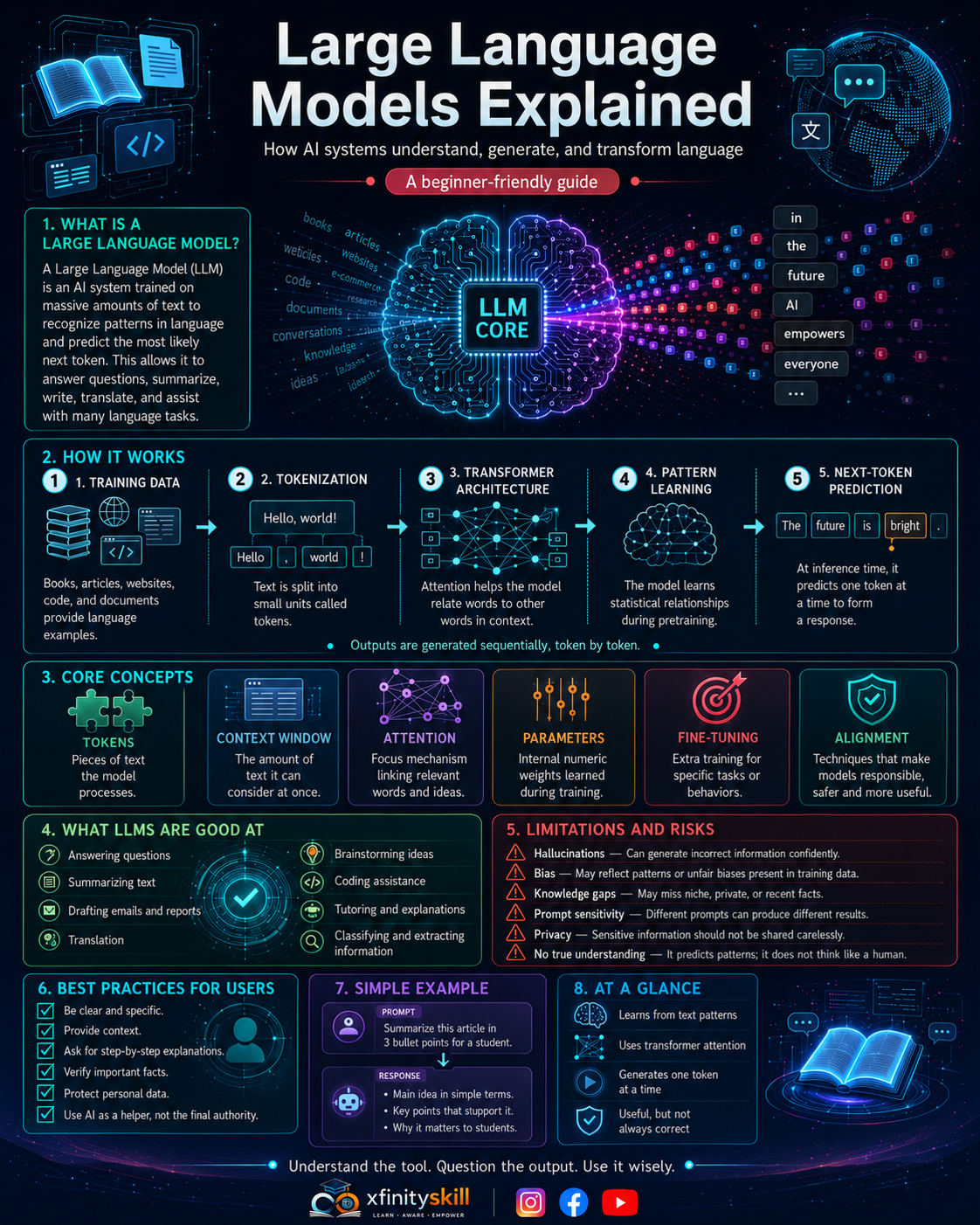
Large Language Models (LLMs) are advanced artificial intelligence systems designed to understand and generate human-like text. They leverage vast amounts of data and sophisticated algorithms to learn patterns in language, enabling them to perform a variety of tasks, from answering questions to composing essays.
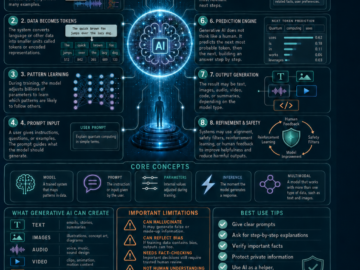
One of the key features of LLMs is their ability to process and analyze context. By considering the surrounding words and phrases, these models can generate coherent and contextually relevant responses. This capability is achieved through techniques such as deep learning and neural networks, which mimic the way the human brain processes information.
LLMs are trained on diverse datasets, encompassing books, articles, websites, and more. This extensive training allows them to grasp nuances in language, including idioms, slang, and cultural references. As a result, they can engage in conversations that feel natural and intuitive.
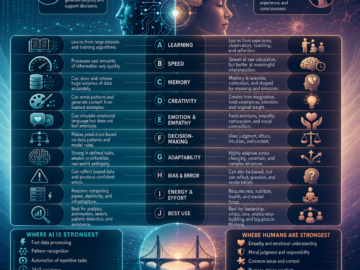
However, it’s important to note that while LLMs are powerful, they are not infallible. They can sometimes produce incorrect or nonsensical answers, as their responses are based on patterns rather than true understanding. Additionally, ethical considerations arise regarding their use, particularly concerning bias in training data and the potential for misuse.
In summary, Large Language Models represent a significant advancement in AI technology, offering exciting possibilities for communication and information processing. As they continue to evolve, their impact on various fields, including education, customer service, and content creation, will likely grow, shaping the future of human-computer interaction.