Gross pay and net pay are two fundamental concepts in understanding your earnings and financial planning.
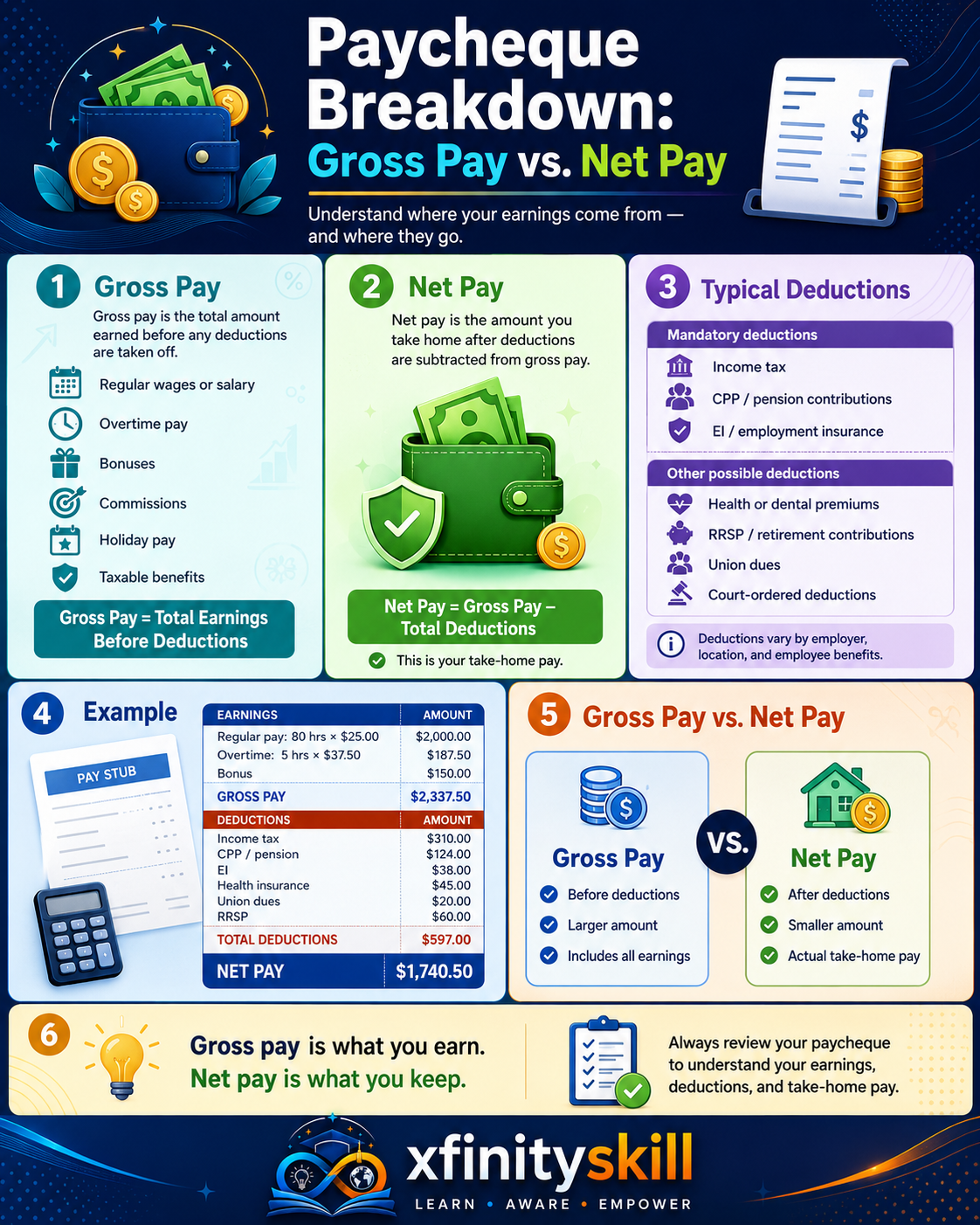
Gross Pay refers to the total amount of money earned by an employee before any deductions are made. This includes not only the base salary or hourly wage but also any additional earnings such as overtime pay, bonuses, and commissions. Gross pay is the figure that appears on your pay stub and is crucial for understanding your overall compensation package.
Net Pay, on the other hand, is the amount of money that an employee takes home after all deductions have been made from the gross pay. These deductions can include federal and state taxes, Social Security contributions, health insurance premiums, retirement plan contributions, and other withholdings. Net pay is often referred to as “take-home pay” and is the actual amount that employees can spend or save.
Understanding the difference between gross pay and net pay is essential for budgeting and financial planning. Here are some key points to consider:
- Deductions: Familiarize yourself with the various deductions that can affect your net pay. Knowing what is taken out can help you plan your finances better.
- Tax Implications: Different states have varying tax rates, which can significantly impact your net pay. It’s important to understand how these taxes are calculated and what exemptions you may qualify for.
- Benefits and Contributions: Contributions to retirement plans or health insurance can also affect your net pay. While these deductions reduce your take-home pay, they can provide long-term financial benefits.
- Budgeting: Knowing your net pay is crucial for effective budgeting. It allows you to plan your expenses, savings, and investments based on what you actually earn.
- Pay Stubs: Regularly reviewing your pay stubs can help you track your earnings and deductions, ensuring that everything is accurate and up-to-date.
In summary, while gross pay gives you an overview of your total earnings, net pay is what truly matters for your day-to-day financial decisions. Understanding both can empower you to make informed choices about your finances and future.