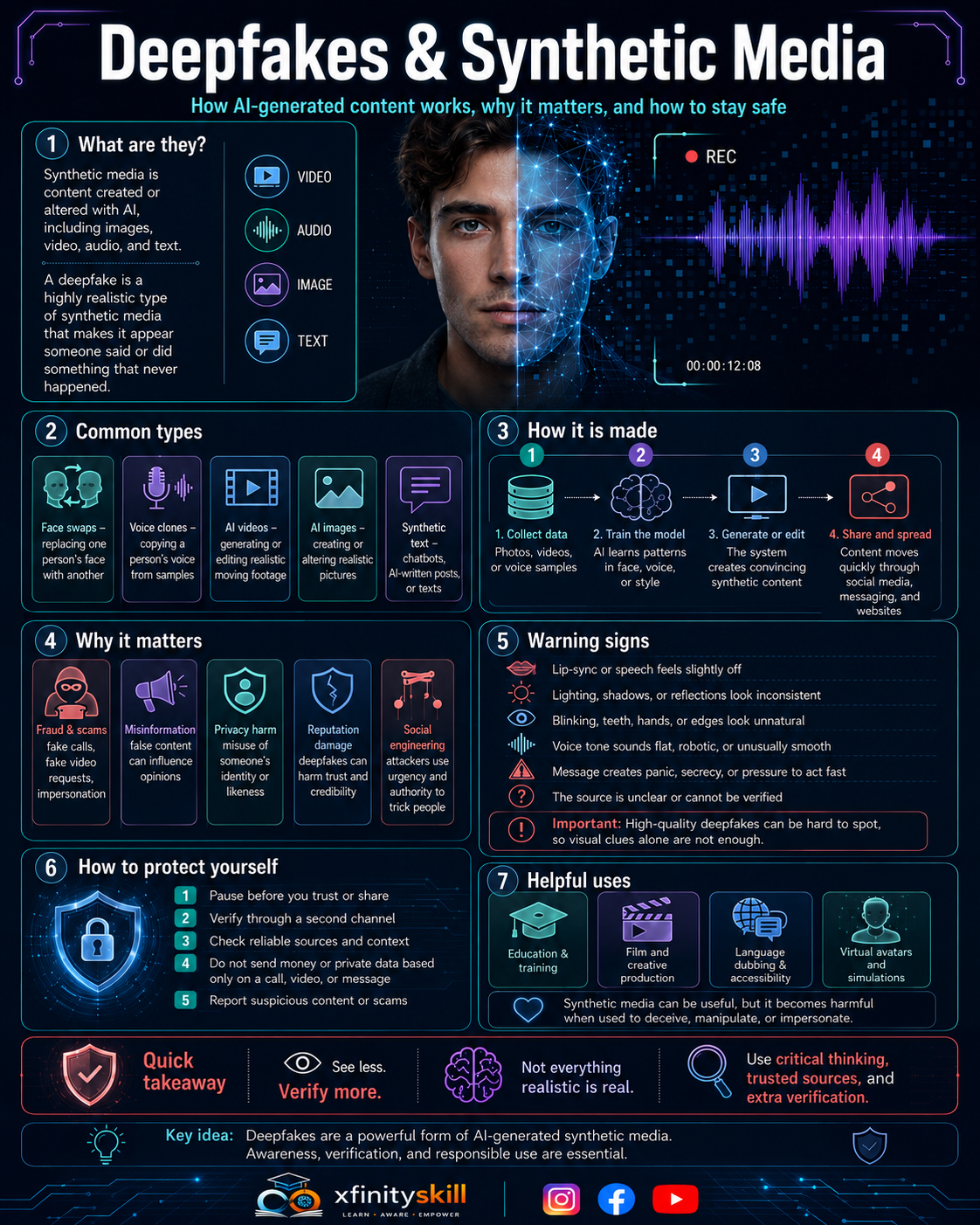
Deepfakes & Synthetic Media are rapidly evolving technologies that leverage artificial intelligence to create hyper-realistic digital content. These innovations have sparked both excitement and concern across various sectors, from entertainment to security.
Deepfakes utilize deep learning algorithms to manipulate existing media, allowing users to swap faces in videos or create entirely new personas. This technology can produce astonishingly lifelike results, making it difficult to distinguish between real and fabricated content. While this can enhance creative storytelling in films and video games, it also raises ethical questions about consent and authenticity.
Synthetic media, on the other hand, encompasses a broader range of AI-generated content, including text, images, and audio. This technology can be used to create virtual influencers, generate realistic voiceovers, or even compose music. The potential applications are vast, offering new avenues for creativity and communication.
However, the rise of deepfakes and synthetic media also poses significant challenges. Misinformation and disinformation campaigns can exploit these technologies to spread false narratives, manipulate public opinion, or damage reputations. As a result, there is an urgent need for robust detection methods and regulatory frameworks to mitigate the risks associated with these advancements.
In conclusion, while Deepfakes & Synthetic Media present exciting opportunities for innovation, they also necessitate a careful examination of their implications for society. Balancing creativity with ethical considerations will be crucial as we navigate this new digital landscape.