Anxiety: What Happens Inside the Mind and Body
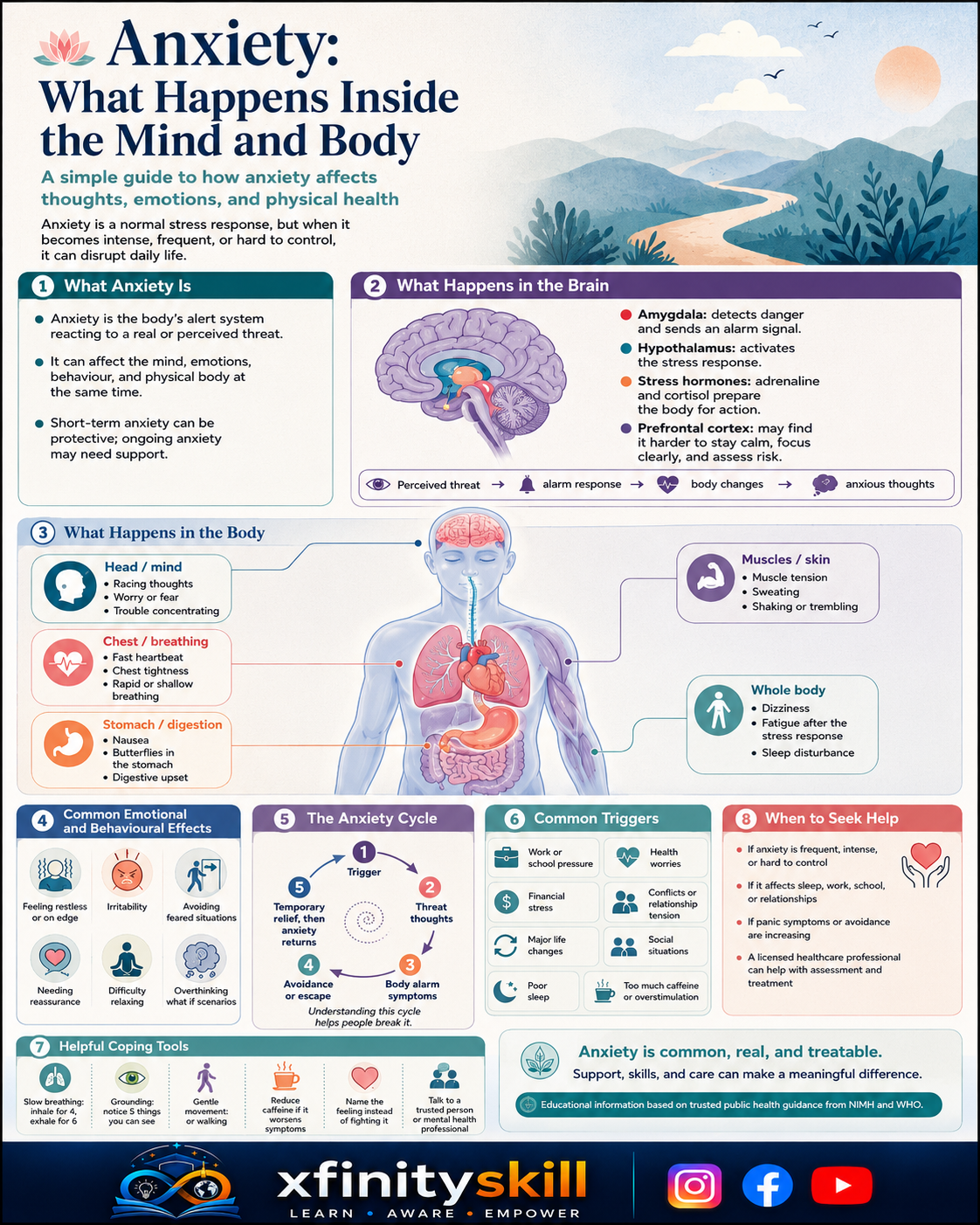
Anxiety is a complex emotional response that can manifest both mentally and physically. When faced with stress or perceived threats, the brain activates the body’s fight-or-flight response, leading to a cascade of physiological changes.
In the mind, anxiety often triggers excessive worry and fear. The amygdala, a small almond-shaped structure in the brain, plays a crucial role in processing emotions and can become hyperactive during anxious moments. This heightened activity can lead to racing thoughts, difficulty concentrating, and an overwhelming sense of dread.
Physically, anxiety can cause a variety of symptoms. The body releases stress hormones like adrenaline and cortisol, which prepare it to respond to danger. This can result in increased heart rate, rapid breathing, muscle tension, and even gastrointestinal issues. Many people also experience sweating, trembling, or a feeling of being on edge.
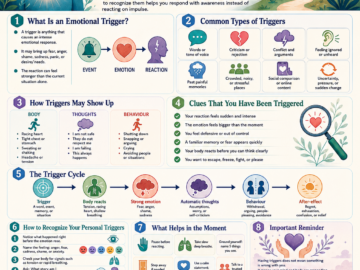
Moreover, anxiety can create a feedback loop. The physical symptoms can intensify the mental experience of anxiety, leading to more worry and further physical reactions. This cycle can be exhausting and debilitating, affecting daily life and overall well-being.
Understanding anxiety is the first step toward managing it. Techniques such as mindfulness, deep breathing exercises, and cognitive-behavioral therapy can help break the cycle and promote a sense of calm. Recognizing the signs and symptoms of anxiety allows individuals to seek support and develop coping strategies, ultimately leading to a healthier mind and body.