Self-Compassion vs. Self-Criticism
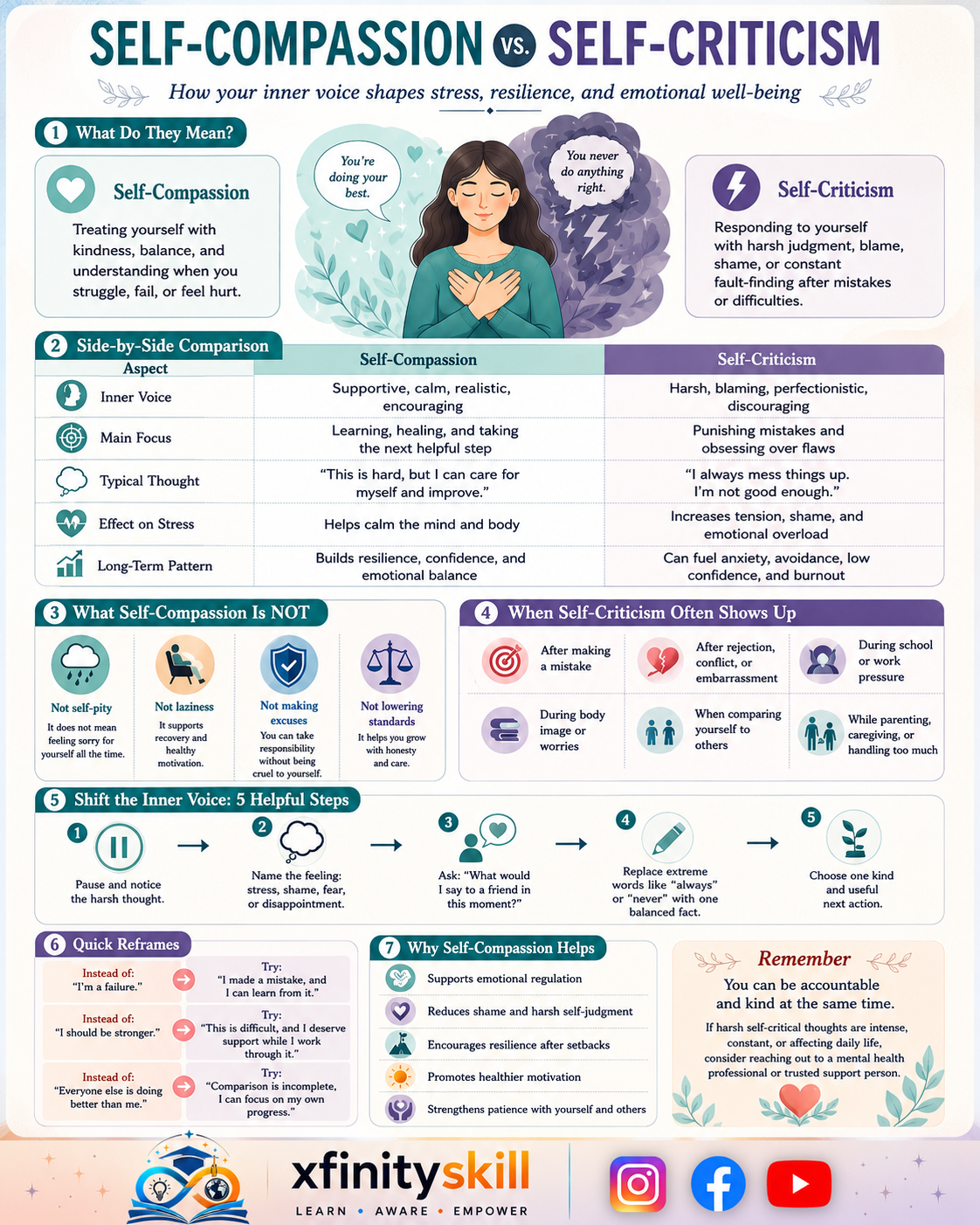
Self-compassion is the practice of treating oneself with kindness and understanding during times of failure or difficulty. It involves recognizing that everyone makes mistakes and experiences hardships, allowing individuals to embrace their imperfections without harsh judgment. This approach fosters emotional resilience, promotes mental well-being, and encourages a healthier relationship with oneself.
In contrast, self-criticism often manifests as a harsh inner dialogue that focuses on perceived flaws and failures. This negative self-talk can lead to feelings of inadequacy, anxiety, and depression. When individuals engage in self-criticism, they may become trapped in a cycle of shame and self-doubt, which can hinder personal growth and overall happiness.
Research has shown that self-compassion can lead to greater emotional stability and a more positive outlook on life. By practicing self-compassion, individuals can cultivate a sense of belonging and connection with others, as they recognize that suffering is a shared human experience. This perspective can reduce feelings of isolation and promote empathy towards oneself and others.
On the other hand, self-criticism can create a barrier to self-improvement. While some may believe that being hard on themselves will motivate them to do better, it often has the opposite effect. Instead of inspiring growth, self-criticism can lead to avoidance of challenges and a fear of failure, ultimately stifling progress.
To foster self-compassion, individuals can practice mindfulness, which encourages awareness of thoughts and feelings without judgment. Engaging in positive self-talk, writing letters to oneself, or seeking support from friends and loved ones can also enhance self-compassion.
In summary, embracing self-compassion over self-criticism can lead to a more fulfilling and balanced life. By treating ourselves with kindness and understanding, we can navigate life’s challenges with grace and resilience, ultimately fostering a healthier mindset and emotional well-being.