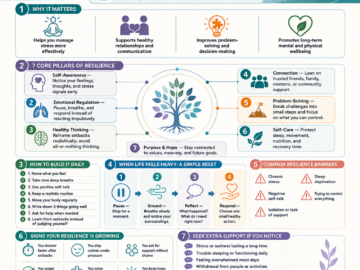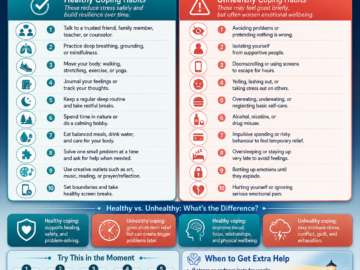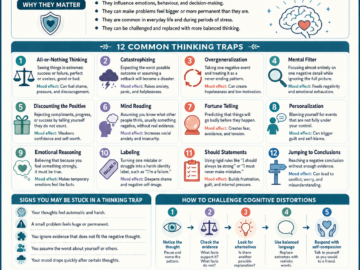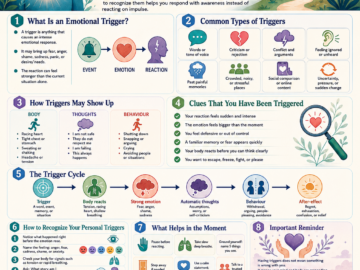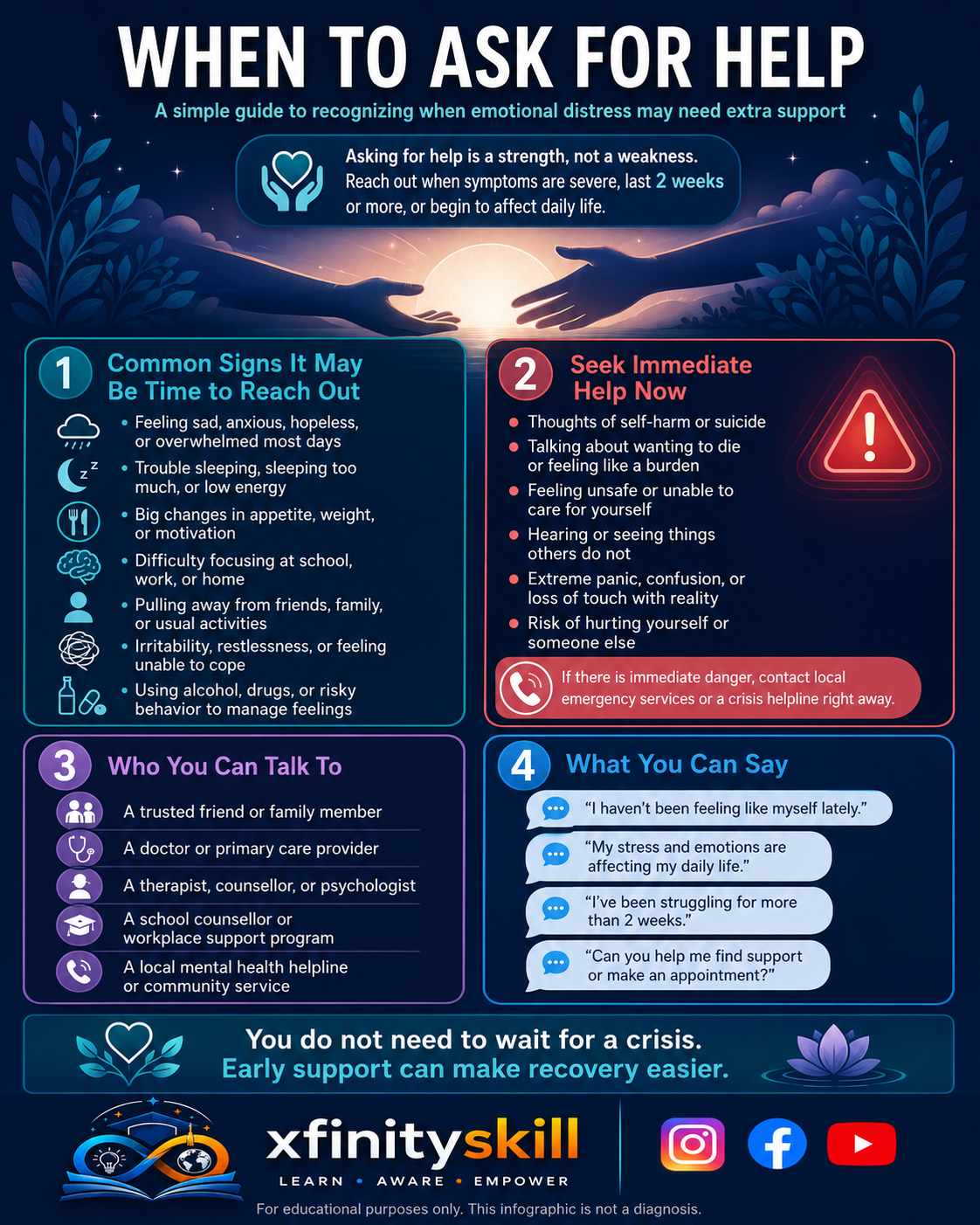
Understanding when to ask for help is a crucial aspect of emotional intelligence. It involves recognizing your own emotional state, understanding the challenges you face, and knowing when to reach out for support. Here are some key points to consider:
- Self-Awareness: Being aware of your feelings and recognizing when you’re overwhelmed or struggling is the first step. This self-awareness allows you to identify your limits and understand that seeking help is a sign of strength, not weakness.
- Emotional Regulation: If you find yourself feeling anxious, stressed, or frustrated, it may be time to ask for help. Managing your emotions effectively can prevent them from escalating and impacting your well-being.
- Recognizing Triggers: Understanding what situations or tasks trigger feelings of inadequacy or stress can help you know when to seek assistance. If you notice a pattern, it’s a good indicator that you might benefit from support.
- Building Relationships: Emotional intelligence involves fostering strong relationships. If you have a supportive network, don’t hesitate to reach out. Asking for help can strengthen bonds and create a sense of community.
- Problem-Solving: Sometimes, you may feel stuck in a problem. Recognizing that collaboration can lead to better solutions is essential. Asking for help can provide new perspectives and insights that you might not have considered.
- Learning and Growth: Seeking help is also about personal growth. It shows a willingness to learn from others and improve your skills. Embrace the opportunity to gain knowledge and experience from those around you.
- Timing: Knowing when to ask for help is crucial. If you’re facing a deadline or a critical situation, it’s better to reach out sooner rather than later. Proactive communication can prevent issues from escalating.
In summary, asking for help is an integral part of emotional intelligence. It requires self-awareness, emotional regulation, and the ability to build and maintain relationships. Recognizing when to seek support not only benefits you but also enhances your connections with others.