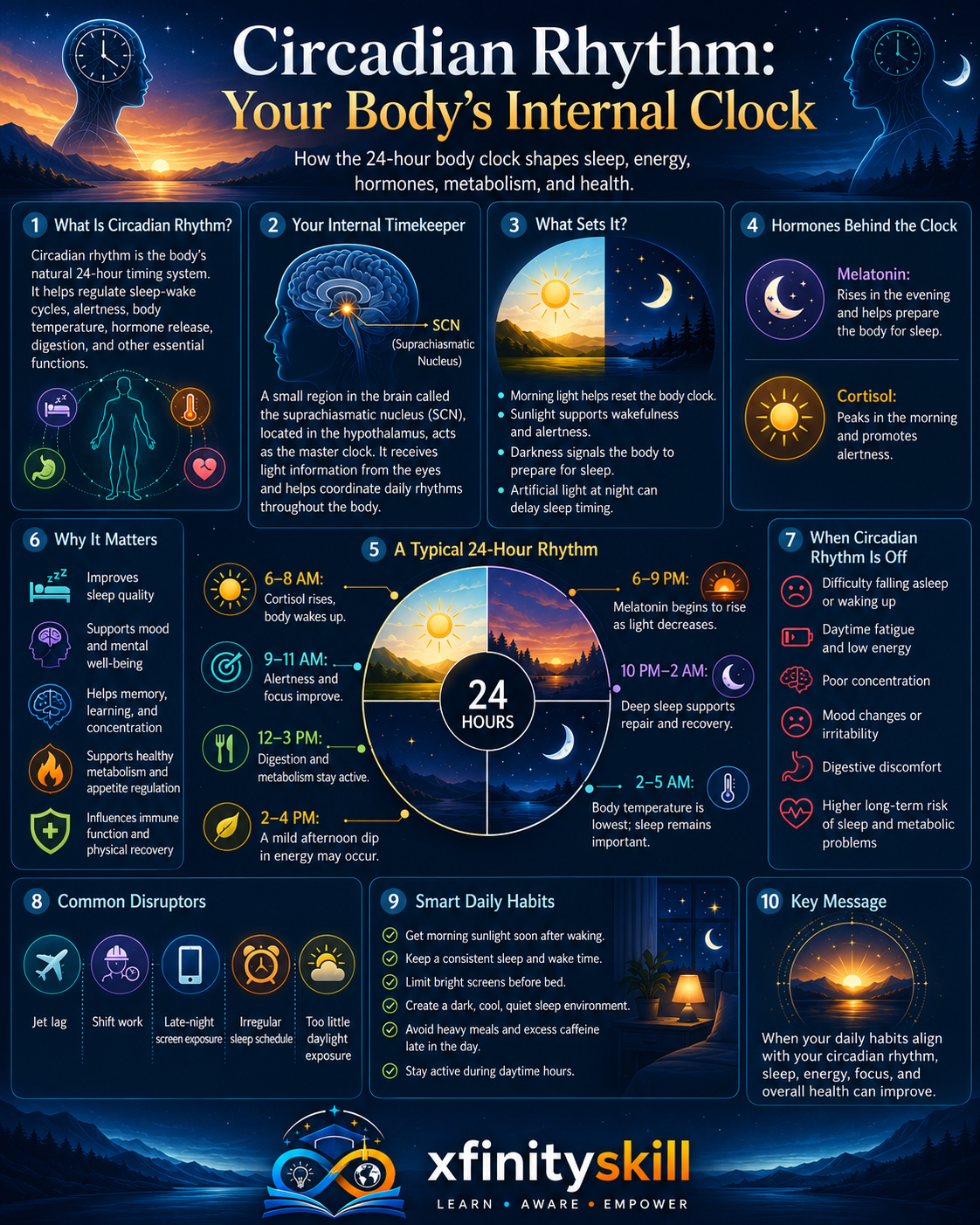
Circadian Rhythm: Your Body’s Internal Clock
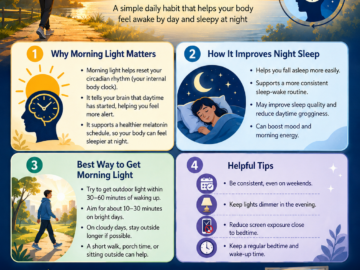
Circadian rhythms are natural, internal processes that follow a roughly 24-hour cycle, influencing various biological functions in our bodies. These rhythms are driven by an internal “biological clock” and are primarily regulated by light exposure, which helps synchronize our sleep-wake cycles with the day-night cycle.
The term “circadian” comes from the Latin words “circa,” meaning “around,” and “diem,” meaning “day.” This internal clock affects not only sleep patterns but also hormone release, eating habits, digestion, body temperature, and other vital bodily functions.
One of the most significant aspects of circadian rhythms is their impact on sleep. The hormone melatonin, produced by the pineal gland, plays a crucial role in signaling to the body that it is time to sleep. Melatonin levels typically rise in the evening as it gets dark, promoting sleepiness, and decrease in the morning with light exposure, helping us wake up.
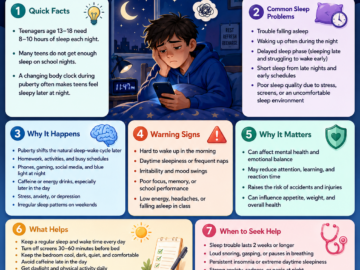
Disruptions to our circadian rhythms can lead to various health issues. For instance, shift work, jet lag, and irregular sleep patterns can interfere with the body’s natural clock, resulting in sleep disorders, mood disturbances, and even chronic conditions such as obesity, diabetes, and cardiovascular diseases.
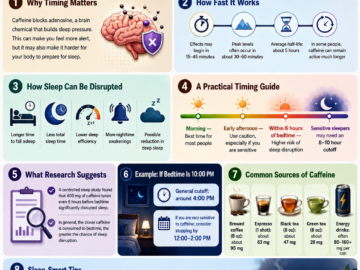
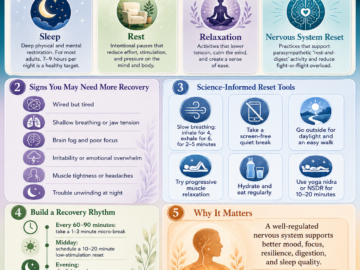
To maintain a healthy circadian rhythm, it is essential to establish a consistent sleep schedule, limit exposure to artificial light in the evening, and create a sleep-friendly environment. Engaging in regular physical activity and managing stress can also support the body’s internal clock.
Understanding and respecting our circadian rhythms can lead to improved sleep quality, better overall health, and enhanced well-being. By aligning our daily routines with our body’s natural cycles, we can harness the power of our internal clock for a healthier lifestyle.