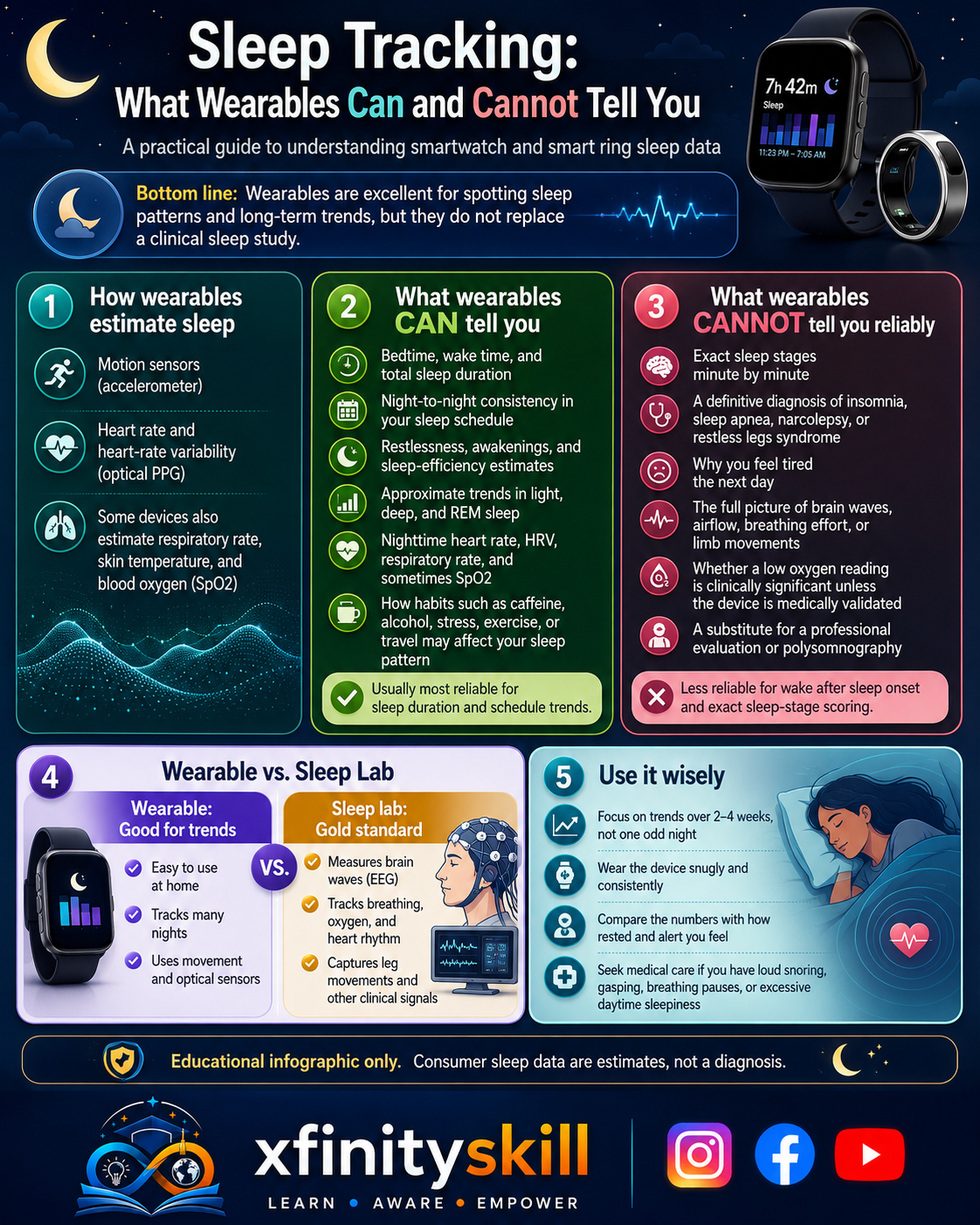
Wearable technology has revolutionized the way we monitor our sleep patterns, providing insights that were once only available through clinical sleep studies. However, while these devices offer valuable data, it’s essential to understand their limitations.
What Wearables Can Tell You
- Sleep Duration: Most wearables can accurately track the total amount of time you spend asleep, helping you understand if you’re meeting the recommended sleep guidelines.
- Sleep Stages: Many devices can differentiate between light, deep, and REM sleep. This information can help you identify patterns in your sleep cycles and understand how restorative your sleep is.
- Heart Rate Monitoring: Wearables often include heart rate sensors that can provide insights into your heart rate variability during sleep, which can be an indicator of overall health and stress levels.
- Movement Tracking: By monitoring your movements throughout the night, wearables can help identify disturbances that may affect your sleep quality, such as tossing and turning.
- Sleep Environment: Some advanced wearables can track environmental factors like temperature and noise levels, which can impact your sleep quality.
What Wearables Cannot Tell You
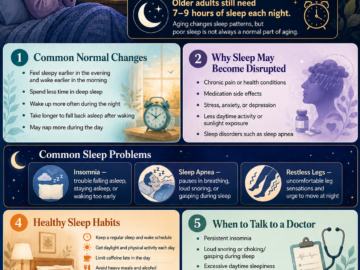
- Sleep Disorders: While wearables can provide data on sleep patterns, they cannot diagnose sleep disorders such as sleep apnea or insomnia. A clinical evaluation is necessary for accurate diagnosis.
- Sleep Quality: Although wearables can track sleep stages, they may not accurately assess sleep quality. Factors like how rested you feel upon waking or how often you wake up during the night are subjective and not easily quantified by devices.
- Mental Health Insights: Wearables can track physiological data but cannot provide insights into mental health conditions that may affect sleep, such as anxiety or depression.
- Long-term Trends: While wearables can show trends over time, they may not always provide a comprehensive view of your sleep health. External factors, lifestyle changes, and stress can all influence sleep patterns in ways that wearables may not capture.
- Individual Variability: Each person’s sleep needs and patterns are unique. Wearables may not account for individual differences in sleep requirements, making it essential to interpret data within the context of your personal health.
Conclusion
Wearable technology offers a wealth of information about sleep, making it easier to track and improve sleep habits. However, it’s crucial to approach the data with a critical eye and recognize the limitations of these devices. For a complete understanding of your sleep health, consider consulting with a healthcare professional, especially if you suspect a sleep disorder.