As we age, sleep patterns often undergo significant changes that can impact overall health and well-being. Understanding these changes is crucial for older adults and their caregivers.
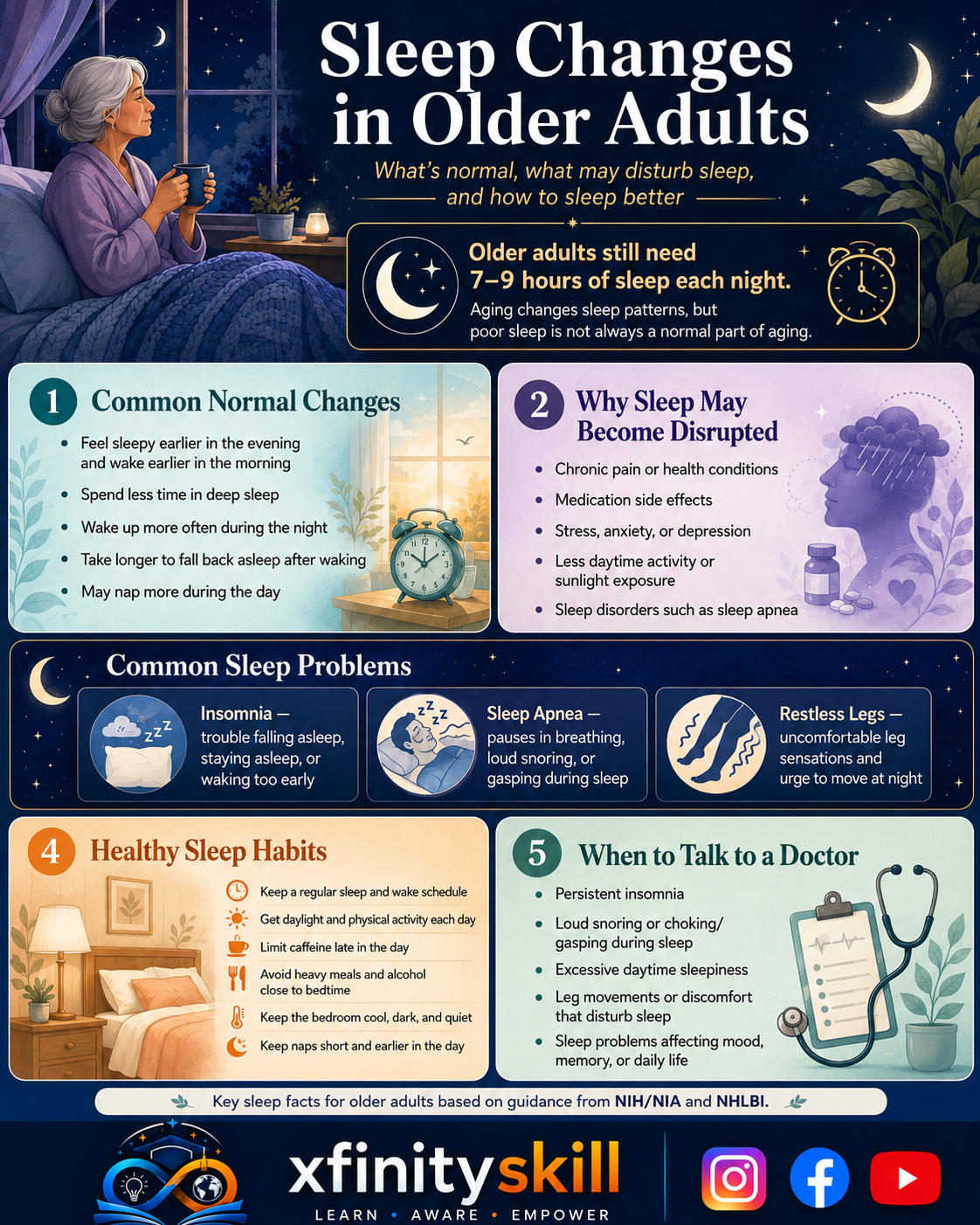
One of the most common changes is a decrease in total sleep time. Older adults may find themselves sleeping less than they did in their younger years, often averaging around 6 to 7 hours per night. This reduction can be attributed to various factors, including changes in circadian rhythms, which regulate sleep-wake cycles.
Additionally, older adults may experience alterations in sleep architecture. This includes a decrease in deep sleep (slow-wave sleep) and an increase in lighter sleep stages. As a result, older adults may wake up more frequently during the night, leading to fragmented sleep. This can contribute to feelings of fatigue and decreased daytime alertness.
Another factor to consider is the prevalence of sleep disorders among older adults. Conditions such as insomnia, sleep apnea, and restless leg syndrome are more common in this age group. These disorders can exacerbate sleep difficulties and may require medical intervention for effective management.
Lifestyle factors also play a significant role in sleep quality. Regular physical activity, a balanced diet, and good sleep hygiene practices can help improve sleep outcomes. For instance, maintaining a consistent sleep schedule, creating a comfortable sleep environment, and limiting caffeine and alcohol intake can promote better sleep.
In summary, sleep changes in older adults are multifaceted and influenced by biological, psychological, and lifestyle factors. Awareness and proactive management of these changes can lead to improved sleep quality and overall health in older adults.