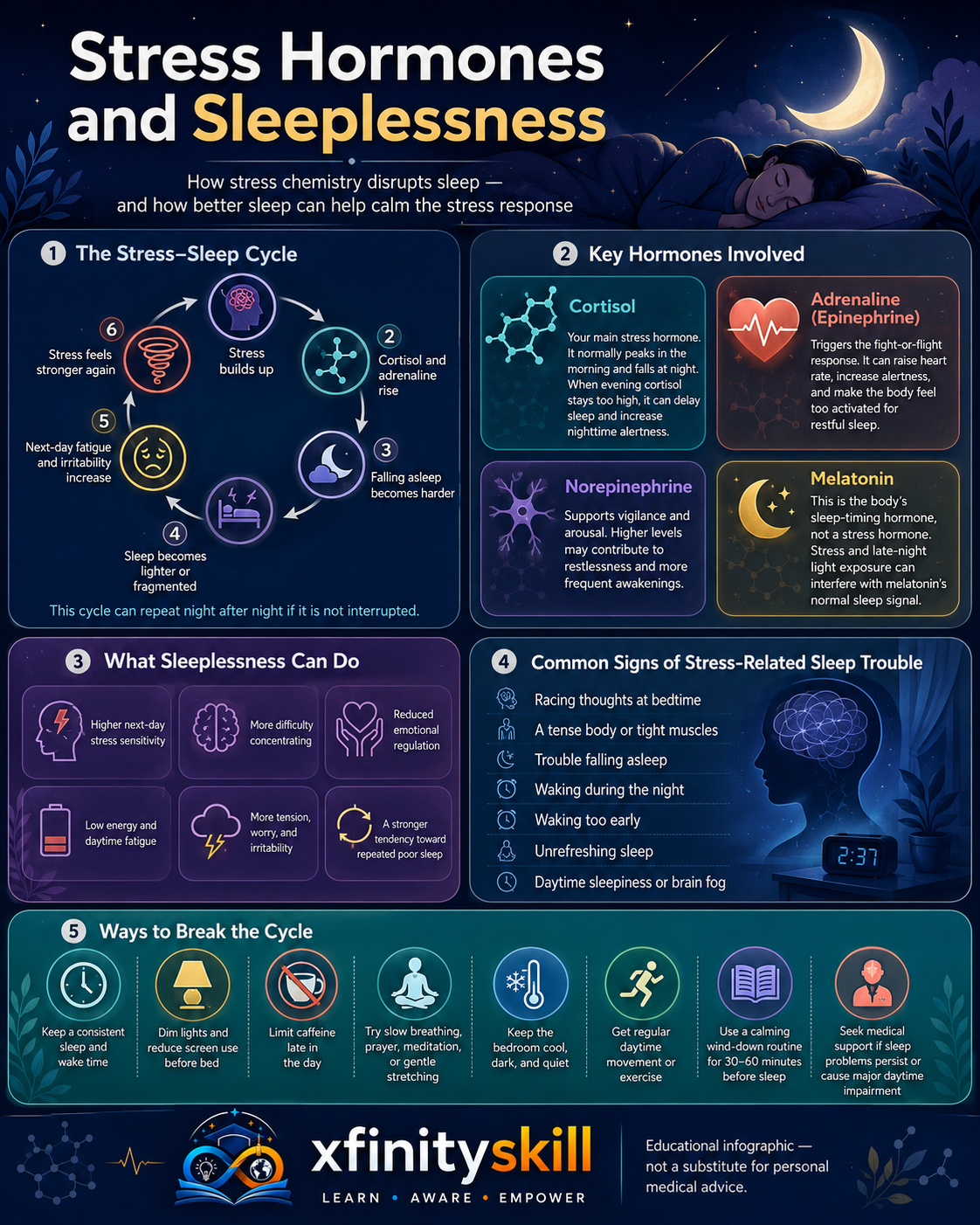
Stress hormones, particularly cortisol and adrenaline, play a significant role in our body’s response to stress. When faced with a stressful situation, the body releases these hormones to prepare for a “fight or flight” response. While this reaction can be beneficial in short bursts, chronic stress can lead to elevated levels of these hormones, which can disrupt sleep patterns and contribute to sleeplessness.
Cortisol, often referred to as the “stress hormone,” follows a natural rhythm throughout the day, peaking in the morning and gradually declining. However, when stress becomes chronic, cortisol levels can remain elevated, making it difficult to relax and fall asleep. High cortisol levels can also lead to increased alertness, making it challenging to wind down at night.
Adrenaline, another key stress hormone, can cause physical symptoms such as increased heart rate and heightened senses. This state of heightened arousal can interfere with the body’s ability to transition into sleep, leading to difficulties in both falling asleep and staying asleep.
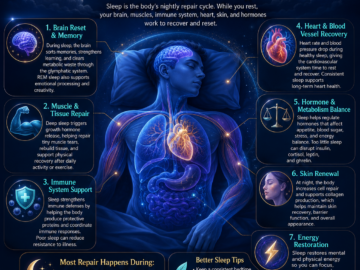
Research has shown that individuals experiencing high levels of stress often report poorer sleep quality and increased insomnia symptoms. This creates a vicious cycle: lack of sleep can further exacerbate stress levels, leading to even higher cortisol production.
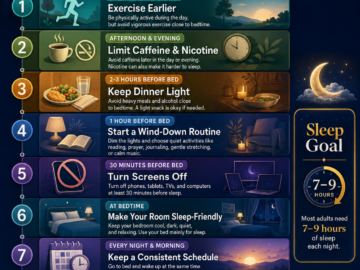
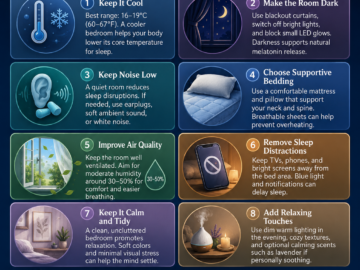
To combat the effects of stress hormones on sleep, it’s essential to adopt stress management techniques. Practices such as mindfulness meditation, deep breathing exercises, and regular physical activity can help lower cortisol levels and promote relaxation. Additionally, establishing a consistent sleep routine and creating a calming bedtime environment can further support better sleep quality.
In summary, understanding the relationship between stress hormones and sleeplessness is crucial for managing both stress and sleep health. By implementing effective stress-reduction strategies, individuals can improve their sleep quality and overall well-being.