Exercise and Sleep Recovery
Engaging in regular physical activity is essential for maintaining overall health, but its benefits extend beyond just physical fitness. One of the most significant advantages of exercise is its positive impact on sleep quality and recovery.
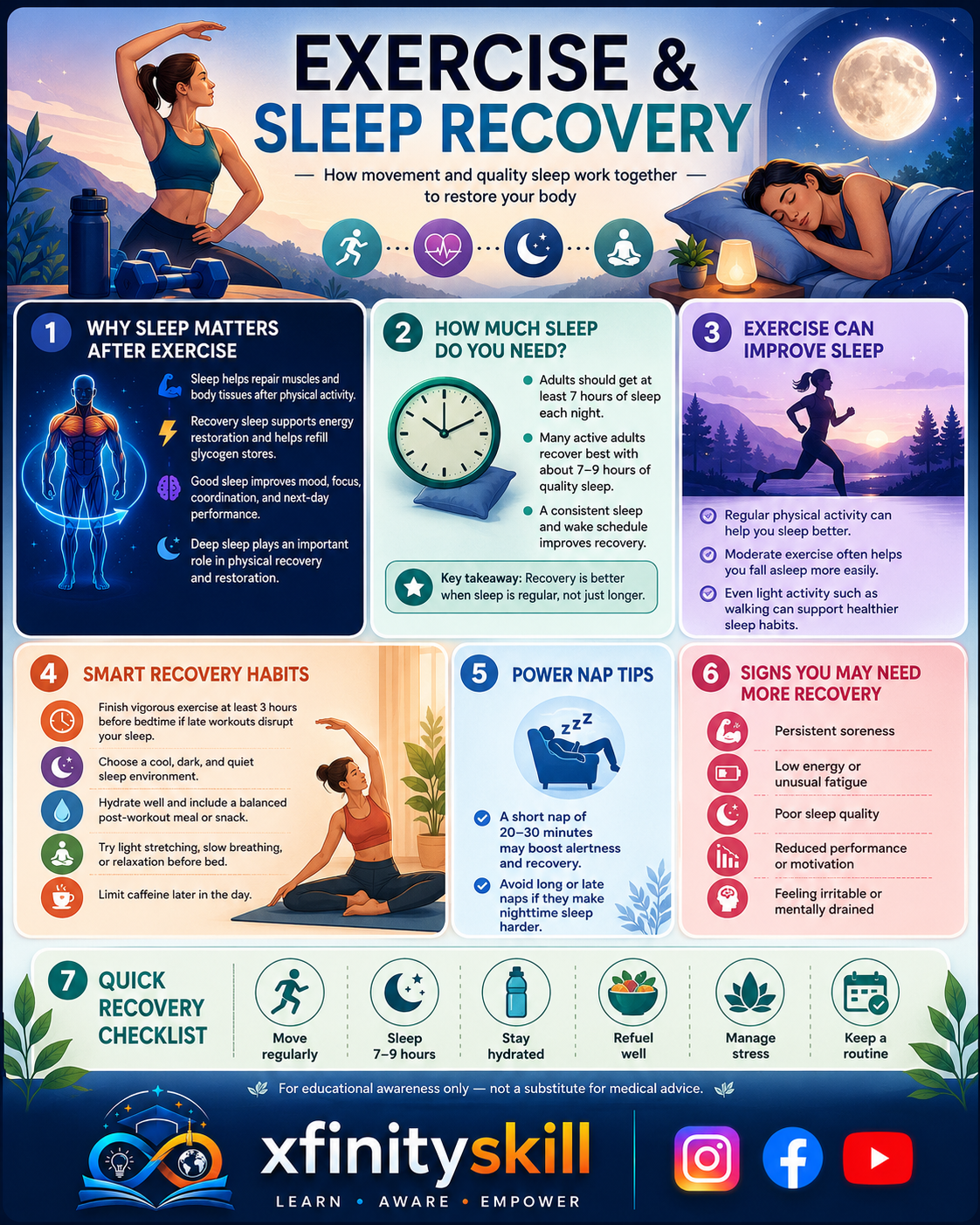
Research indicates that exercise can help regulate sleep patterns, making it easier to fall asleep and stay asleep throughout the night. Aerobic exercises, such as running, swimming, or cycling, have been shown to increase the amount of deep sleep, which is crucial for physical recovery and mental rejuvenation. This deep sleep phase is when the body repairs muscles, synthesizes proteins, and releases growth hormones.
Moreover, exercise can reduce symptoms of anxiety and depression, which are often linked to sleep disturbances. By promoting the release of endorphins and other neurotransmitters, physical activity can enhance mood and create a sense of relaxation, making it easier to unwind at the end of the day.
However, timing and intensity of exercise play a critical role in its effects on sleep. Engaging in vigorous workouts too close to bedtime may lead to increased heart rates and adrenaline levels, making it difficult to fall asleep. It is generally recommended to complete intense exercise sessions at least a few hours before bedtime, while lighter activities, such as yoga or stretching, can be beneficial in the evening to promote relaxation.
Incorporating a balanced exercise routine that includes both aerobic and strength training can further enhance sleep recovery. Strength training not only builds muscle but also contributes to better sleep by reducing stress and improving overall body composition.
In conclusion, exercise is a powerful tool for enhancing sleep recovery. By understanding the relationship between physical activity and sleep, individuals can optimize their routines to improve both their fitness levels and sleep quality, leading to a healthier and more balanced lifestyle.