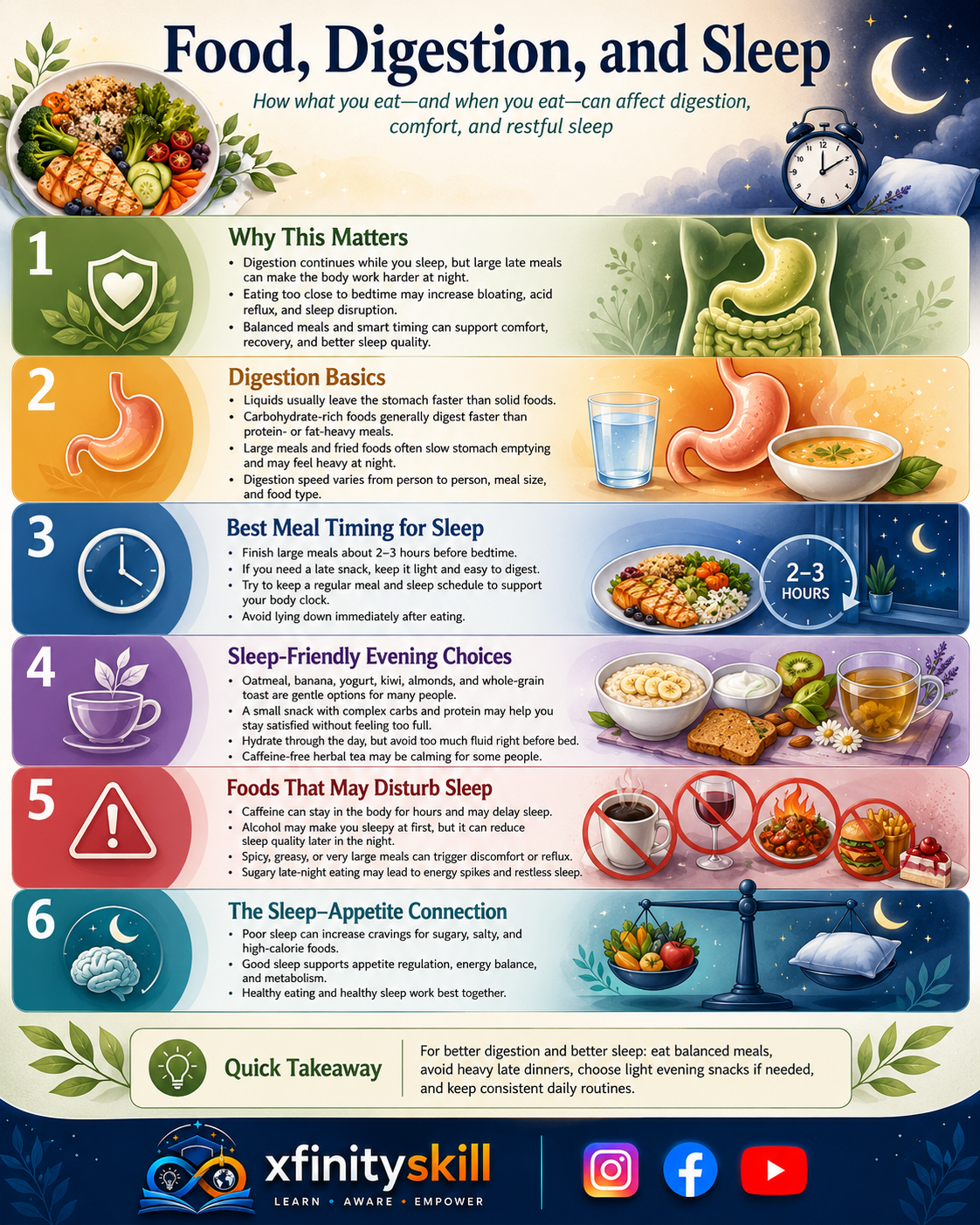
Food, digestion, and sleep are intricately connected, influencing each other in various ways. Understanding this relationship can help improve overall health and well-being.
Food and Digestion
The process of digestion begins the moment food enters the mouth. Enzymes in saliva start breaking down carbohydrates, while the stomach further digests food with acids and enzymes. The small intestine plays a crucial role in nutrient absorption, where vitamins, minerals, and other essential nutrients are absorbed into the bloodstream.
Eating a balanced diet rich in fiber, healthy fats, and lean proteins can promote efficient digestion. Foods such as fruits, vegetables, whole grains, and legumes support gut health by providing necessary nutrients and promoting the growth of beneficial gut bacteria.
Digestion and Sleep
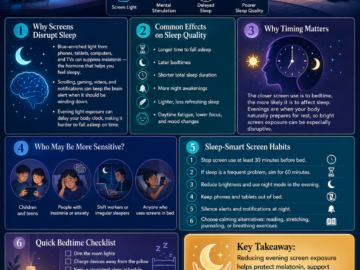
The timing and composition of meals can significantly impact sleep quality. Eating large or heavy meals close to bedtime can lead to discomfort, indigestion, and disrupted sleep. The body requires energy to digest food, which can interfere with the natural sleep cycle.
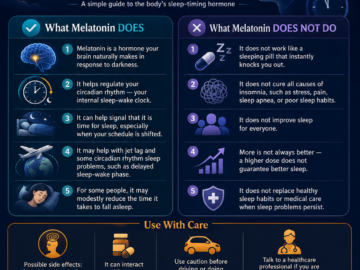
Conversely, certain foods can promote better sleep. Foods rich in tryptophan, such as turkey, nuts, and dairy, can help increase the production of serotonin and melatonin, hormones that regulate sleep. Additionally, complex carbohydrates, like whole grains, can facilitate the absorption of tryptophan, further enhancing sleep quality.
Sleep and Digestion
Sleep is essential for overall health, including digestive health. During sleep, the body undergoes various restorative processes, including the repair of the gut lining and the regulation of gut bacteria. Poor sleep can lead to digestive issues, such as increased inflammation and altered gut microbiota, which can exacerbate conditions like irritable bowel syndrome (IBS) and gastroesophageal reflux disease (GERD).
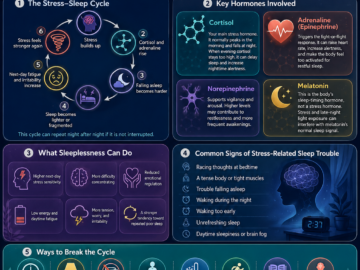
Moreover, sleep deprivation can affect appetite-regulating hormones, leading to increased cravings for unhealthy foods and overeating. This cycle can create a negative feedback loop, where poor dietary choices lead to digestive discomfort, which in turn affects sleep quality.
Conclusion
In summary, the relationship between food, digestion, and sleep is complex and multifaceted. Prioritizing a balanced diet, mindful eating habits, and good sleep hygiene can enhance digestion and improve sleep quality. By understanding and optimizing these connections, individuals can foster better health and well-being.