Digital Screens and Sleep Quality
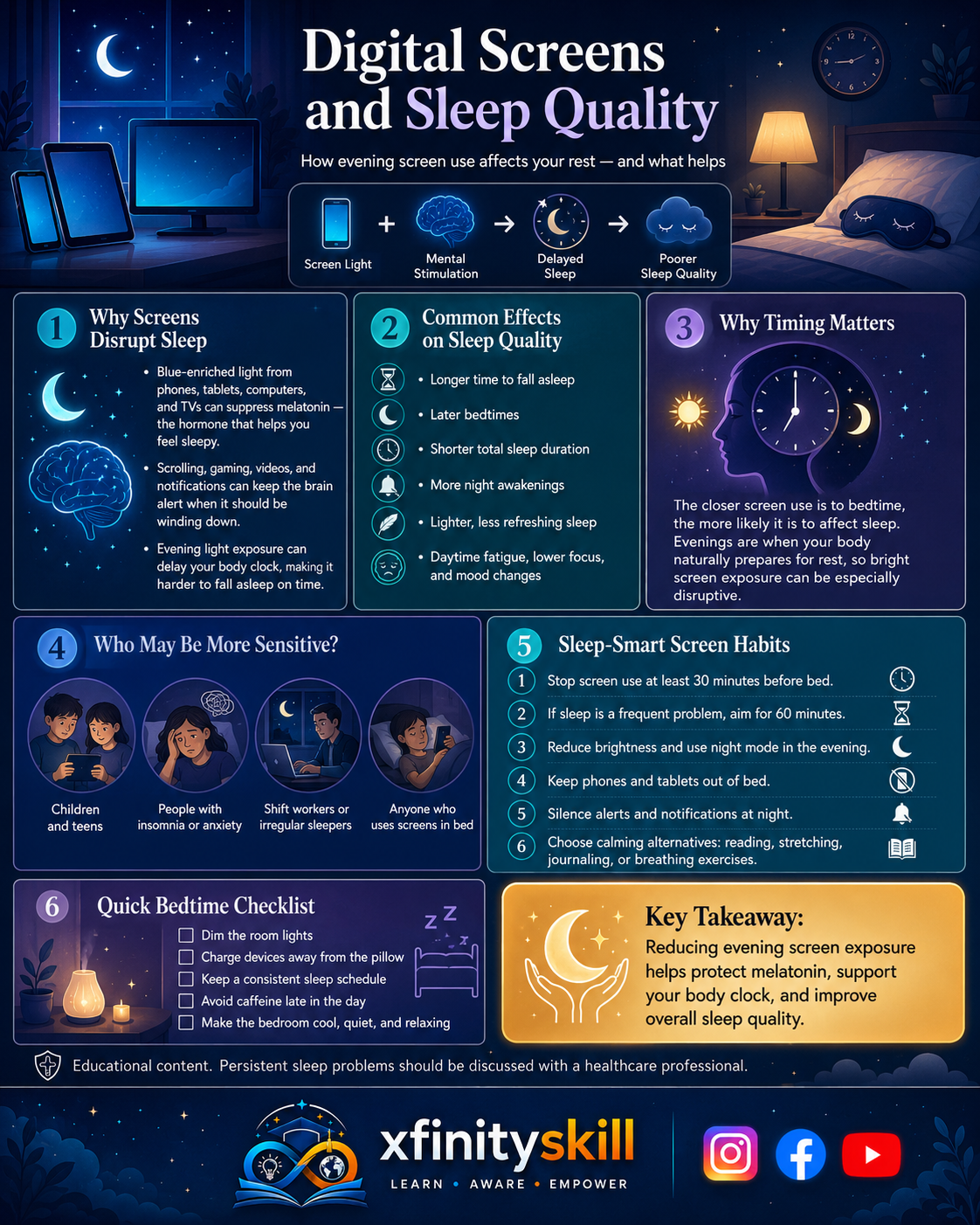
In today’s digital age, the prevalence of screens in our daily lives has raised concerns about their impact on sleep quality. Research indicates that exposure to blue light emitted by smartphones, tablets, and computers can interfere with the body’s natural sleep-wake cycle, also known as the circadian rhythm. This disruption can lead to difficulties in falling asleep, reduced sleep duration, and overall poorer sleep quality.
One of the primary ways digital screens affect sleep is through the suppression of melatonin, the hormone responsible for regulating sleep. Studies have shown that using screens before bedtime can significantly lower melatonin levels, making it harder for individuals to feel sleepy. As a result, many people find themselves tossing and turning, unable to drift off into a restful slumber.
Moreover, the content consumed on digital devices can also play a role in sleep disturbances. Engaging with stimulating or emotionally charged material, such as social media or action-packed videos, can increase alertness and make it challenging to unwind. This heightened state of arousal can further delay the onset of sleep.
To mitigate the negative effects of digital screens on sleep quality, experts recommend several strategies:
- Establish a Screen Curfew: Aim to turn off all digital devices at least one hour before bedtime to allow your body to wind down naturally.
- Use Blue Light Filters: Many devices now come with built-in blue light filters or “night mode” settings that reduce blue light exposure in the evening.
- Create a Relaxing Bedtime Routine: Engage in calming activities such as reading a physical book, practicing meditation, or taking a warm bath to signal to your body that it’s time to sleep.
- Limit Screen Time During the Day: Reducing overall screen time can help improve sleep quality by allowing for more natural light exposure during the day, which is essential for maintaining a healthy circadian rhythm.
By being mindful of screen usage and implementing these strategies, individuals can enhance their sleep quality and overall well-being. Prioritizing good sleep hygiene is crucial in our increasingly digital world, ensuring that we can recharge and rejuvenate for the day ahead.