Deep Sleep and Physical Recovery
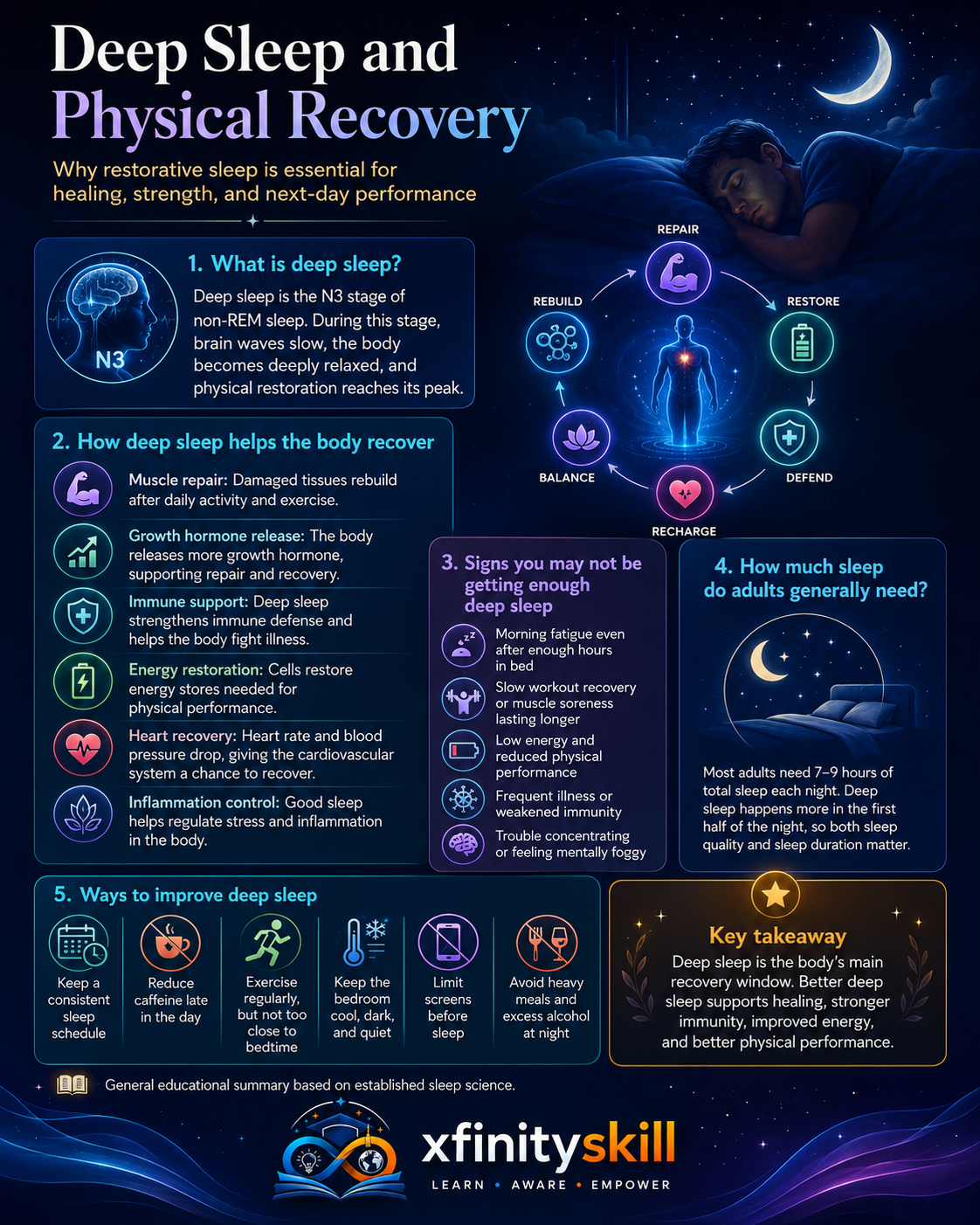
Deep sleep, also known as slow-wave sleep (SWS), plays a crucial role in physical recovery and overall health. During this stage of sleep, the body undergoes significant restorative processes that are essential for optimal functioning.
One of the primary benefits of deep sleep is its impact on muscle recovery. During this phase, the body releases growth hormone, which is vital for tissue growth and muscle repair. This is particularly important for athletes and individuals engaging in regular physical activity, as it helps to rebuild muscle fibers that may have been damaged during exercise.
Additionally, deep sleep supports the immune system. Research indicates that adequate deep sleep enhances immune function, allowing the body to better fend off illnesses and infections. This is especially important for those who lead active lifestyles, as physical exertion can temporarily weaken the immune response.
Cognitive function also benefits from deep sleep. While the body is resting, the brain processes and consolidates memories, which is essential for learning and cognitive performance. This means that a good night’s sleep can lead to improved focus, decision-making, and overall mental clarity.
Moreover, deep sleep helps regulate stress hormones, such as cortisol. High levels of stress can hinder recovery and lead to fatigue, making it essential to prioritize deep sleep for both physical and mental well-being.
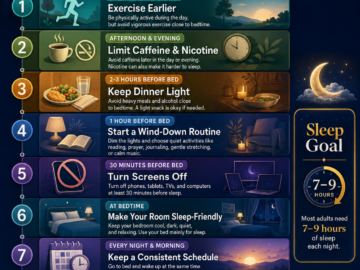
To enhance deep sleep, consider the following tips:
- Establish a Sleep Routine: Go to bed and wake up at the same time every day to regulate your body’s internal clock.
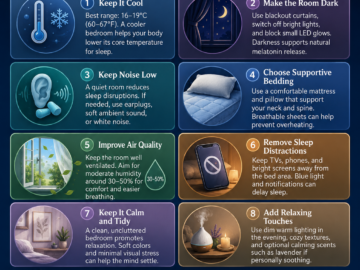
- Create a Sleep-Friendly Environment: Ensure your bedroom is dark, quiet, and cool to promote better sleep quality.
- Limit Screen Time: Reduce exposure to screens before bedtime, as blue light can interfere with the production of melatonin, the hormone responsible for sleep.
- Practice Relaxation Techniques: Engage in calming activities, such as reading or meditation, to help your body wind down before sleep.
In conclusion, deep sleep is vital for physical recovery, immune function, cognitive performance, and stress regulation. Prioritizing quality sleep can lead to improved health and enhanced physical performance, making it an essential component of any wellness routine.