REM Sleep and Emotional Processing
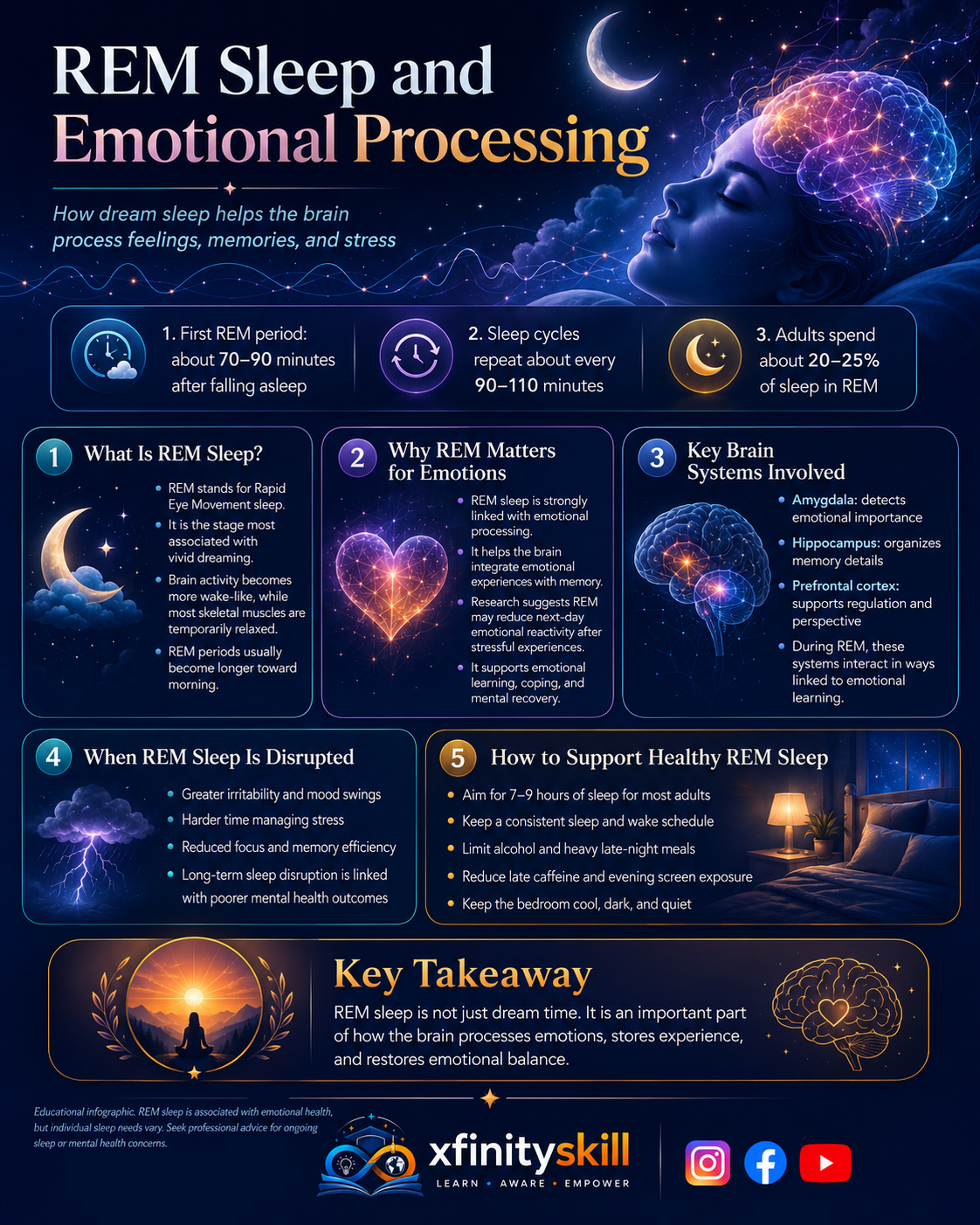
Rapid Eye Movement (REM) sleep is a unique phase of the sleep cycle characterized by rapid movement of the eyes, increased brain activity, and vivid dreaming. This stage of sleep plays a crucial role in emotional processing and regulation, making it essential for mental health and well-being.
During REM sleep, the brain engages in various processes that help to consolidate memories and process emotions. Research indicates that this phase of sleep is particularly important for the integration of emotional experiences. It allows individuals to process and make sense of their feelings, which can lead to improved emotional resilience and stability.
One of the key functions of REM sleep is its role in memory consolidation. Studies have shown that REM sleep helps to strengthen the neural connections associated with emotional memories. This means that experiences that evoke strong emotions, whether positive or negative, are more likely to be retained and understood after a good night’s sleep. This process can aid in the resolution of emotional conflicts and the reduction of anxiety.
Moreover, REM sleep has been linked to the regulation of mood. Insufficient REM sleep can lead to increased emotional reactivity and difficulty in managing stress. Individuals who experience disruptions in their sleep patterns, such as insomnia or sleep apnea, often report heightened feelings of anxiety and depression. This highlights the importance of maintaining healthy sleep habits to support emotional well-being.
Additionally, REM sleep is thought to facilitate creative problem-solving. The brain’s heightened activity during this phase allows for the exploration of new ideas and perspectives, which can be beneficial in addressing emotional challenges. Dreaming during REM sleep may provide a safe space for individuals to confront their fears and anxieties, leading to greater insight and emotional clarity.
In summary, REM sleep is vital for emotional processing and mental health. By aiding in memory consolidation, mood regulation, and creative problem-solving, it helps individuals navigate their emotional landscapes more effectively. Prioritizing quality sleep can lead to improved emotional resilience and overall well-being.