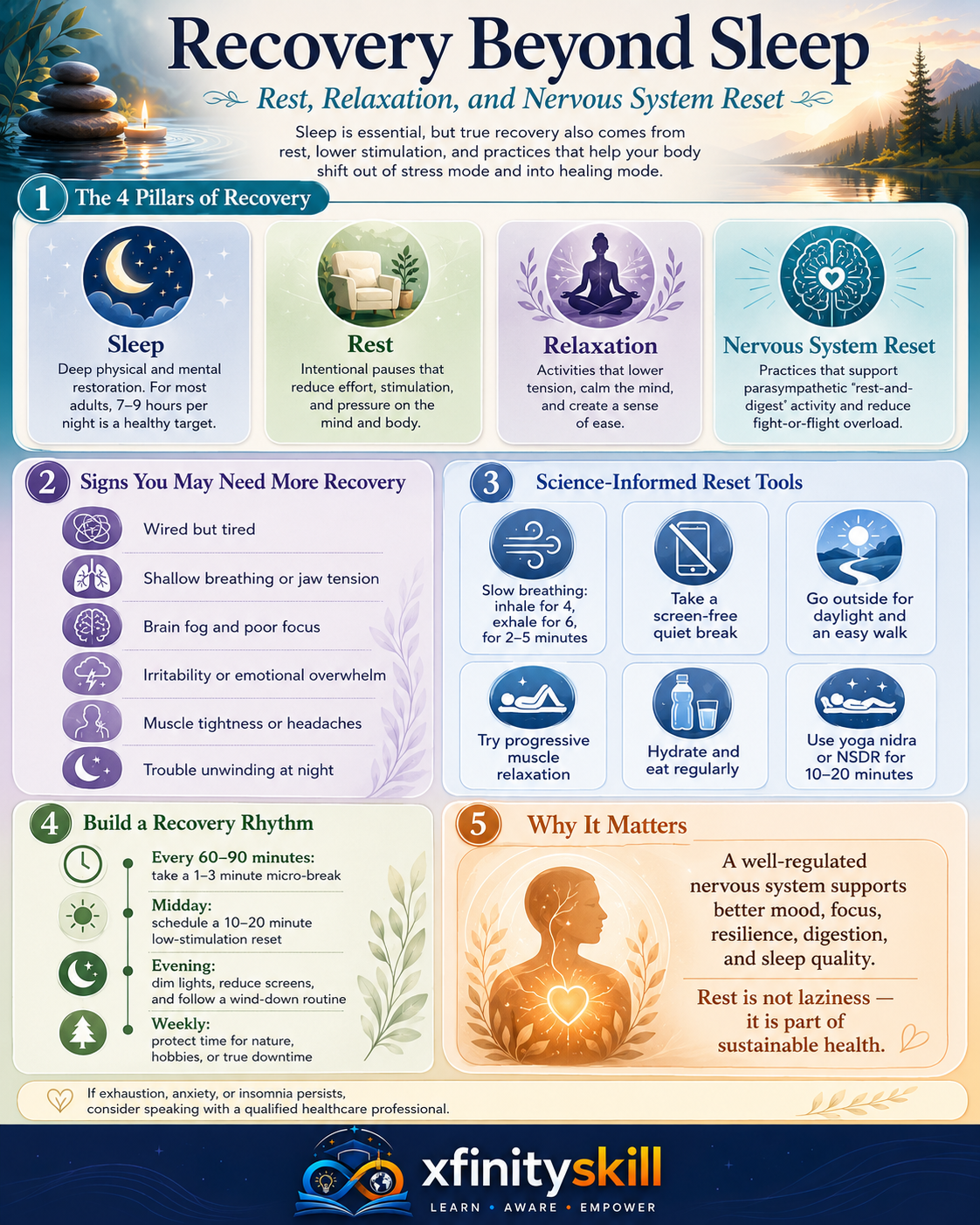
Recovery Beyond Sleep: Rest, Relaxation, and Nervous System Reset
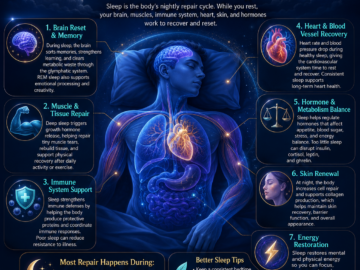
In today’s fast-paced world, the importance of recovery extends far beyond just getting a good night’s sleep. While sleep is crucial for physical and mental restoration, incorporating additional practices for rest and relaxation can significantly enhance overall well-being and support the nervous system.
Understanding Recovery
Recovery is a multifaceted process that involves not only physical rest but also mental and emotional rejuvenation. Engaging in activities that promote relaxation can help reduce stress levels, improve mood, and enhance cognitive function. This holistic approach to recovery acknowledges that our bodies and minds are interconnected, and both require attention for optimal health.
The Role of Relaxation Techniques
Incorporating relaxation techniques into your daily routine can be transformative. Here are some effective methods:
- Mindfulness Meditation: Practicing mindfulness helps center your thoughts and reduces anxiety. Just a few minutes a day can lead to significant improvements in mental clarity and emotional stability.
- Deep Breathing Exercises: Focusing on your breath can activate the parasympathetic nervous system, promoting a state of calm and relaxation. Techniques such as diaphragmatic breathing can lower heart rate and reduce stress.
- Progressive Muscle Relaxation: This technique involves tensing and then relaxing different muscle groups, helping to release physical tension and promote a sense of peace.
- Gentle Movement Practices: Activities like yoga or tai chi not only improve flexibility and strength but also encourage mindfulness and relaxation, making them excellent for nervous system reset.
The Importance of Nature and Environment
Spending time in nature has been shown to have profound effects on recovery. Natural environments can lower cortisol levels, reduce feelings of stress, and enhance mood. Whether it’s a walk in the park or a hike in the mountains, connecting with nature can be a powerful tool for relaxation and recovery.
Nourishing the Body
Nutrition plays a vital role in recovery. Consuming a balanced diet rich in whole foods, including fruits, vegetables, lean proteins, and healthy fats, supports the body’s recovery processes. Hydration is equally important; staying well-hydrated helps maintain optimal bodily functions and can improve mood and cognitive performance.
Sleep Hygiene Practices
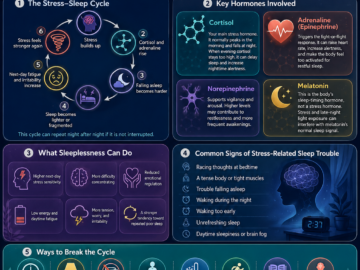
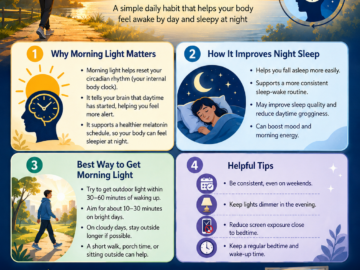
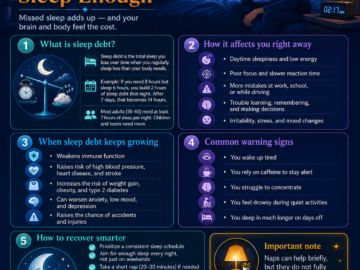
While sleep is a critical component of recovery, enhancing sleep quality is equally important. Establishing a consistent sleep schedule, creating a restful environment, and limiting screen time before bed can all contribute to better sleep hygiene.
Conclusion
Recovery beyond sleep is essential for maintaining a healthy and balanced life. By integrating rest, relaxation techniques, and mindful practices into your routine, you can support your nervous system and enhance your overall well-being. Remember, recovery is not just about the absence of activity; it’s about actively engaging in practices that promote healing and rejuvenation.