Building a low-waste kitchen is a fantastic way to contribute to sustainability while also creating a more organized and efficient cooking space. Here are some practical steps to help you achieve this goal:
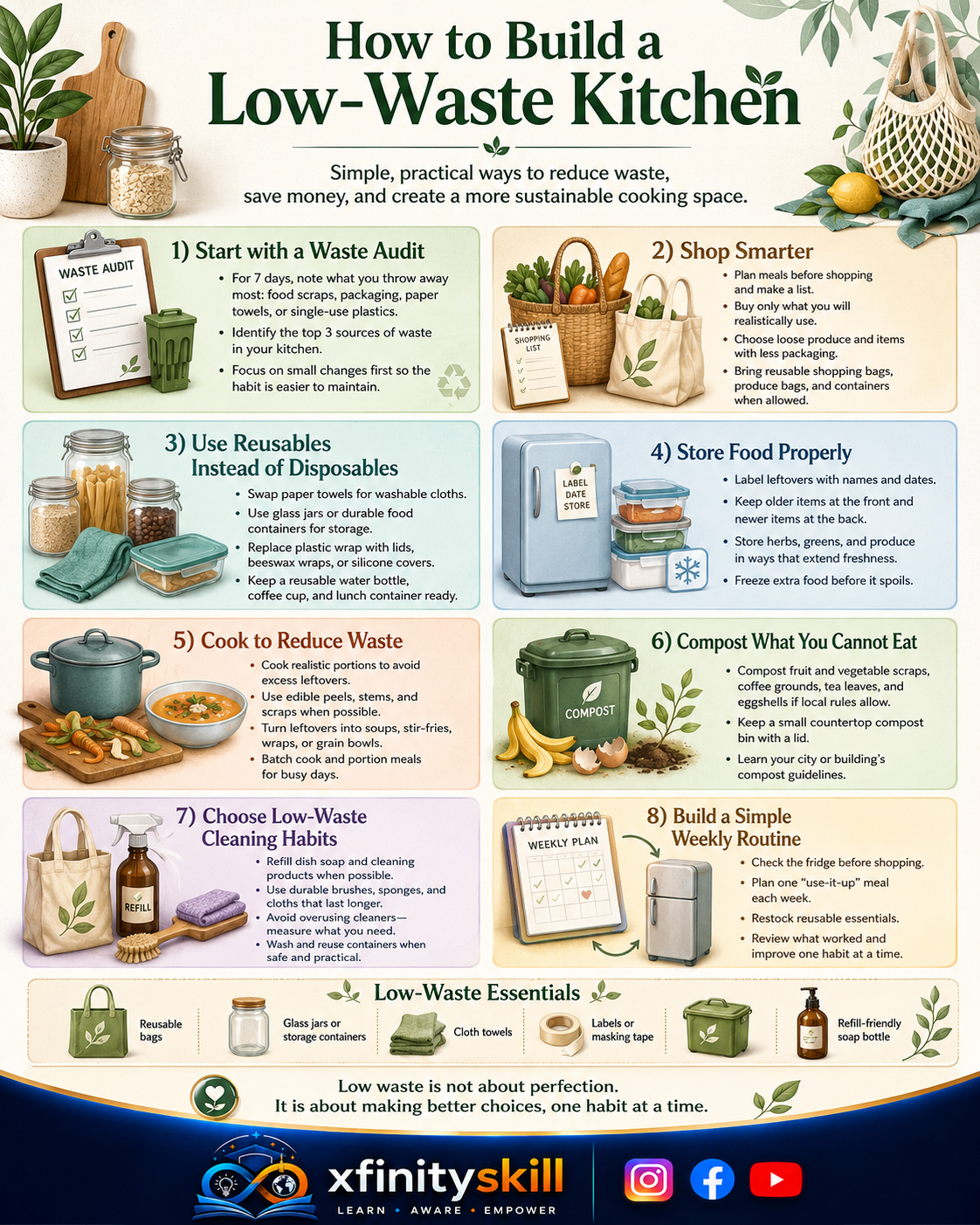
1. Assess Your Current Kitchen
Start by evaluating what you already have. Identify items that are frequently used and those that are rarely touched. This will help you understand what you need and what can be donated or recycled.
2. Choose Reusable Items
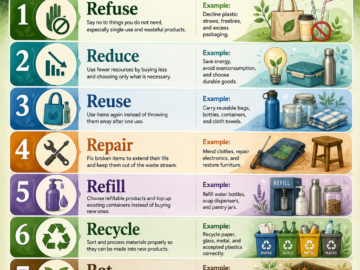
Opt for reusable kitchenware instead of single-use products. Consider:
- Cloth napkins instead of paper ones
- Glass or stainless steel containers for storage
- Beeswax wraps instead of plastic wrap
- Reusable shopping bags for groceries
3. Plan Your Meals
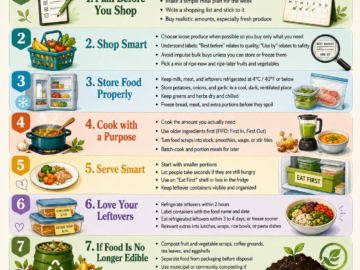
Meal planning can significantly reduce food waste. By planning your meals for the week, you can buy only what you need, ensuring that ingredients are used before they spoil.
4. Compost Food Scraps
Set up a compost bin for organic waste. This not only reduces the amount of waste sent to landfills but also provides nutrient-rich compost for your garden.
5. Buy in Bulk
Purchase dry goods in bulk to minimize packaging waste. Bring your own containers to the store to fill up on grains, nuts, and spices.
6. Choose Local and Seasonal Produce
Buying local and seasonal produce reduces the carbon footprint associated with transportation and often comes with less packaging. Visit farmers’ markets or join a local CSA (Community Supported Agriculture) program.
7. Store Food Properly
Learn how to store food correctly to extend its shelf life. For example, keep fruits and vegetables in the right conditions to prevent spoilage, and use airtight containers to keep dry goods fresh.
8. Repurpose Leftovers
Get creative with leftovers to minimize waste. Transform them into new meals, such as soups, stir-fries, or salads.
9. Educate Yourself and Others
Stay informed about low-waste practices and share your knowledge with family and friends. The more people who adopt these habits, the greater the impact on reducing waste.
10. Be Mindful of Purchases
Before buying new kitchen items, ask yourself if they are necessary. Aim for quality over quantity, investing in durable products that will last longer.
By implementing these strategies, you can create a low-waste kitchen that not only benefits the environment but also enhances your cooking experience. Remember, every small change contributes to a larger impact!