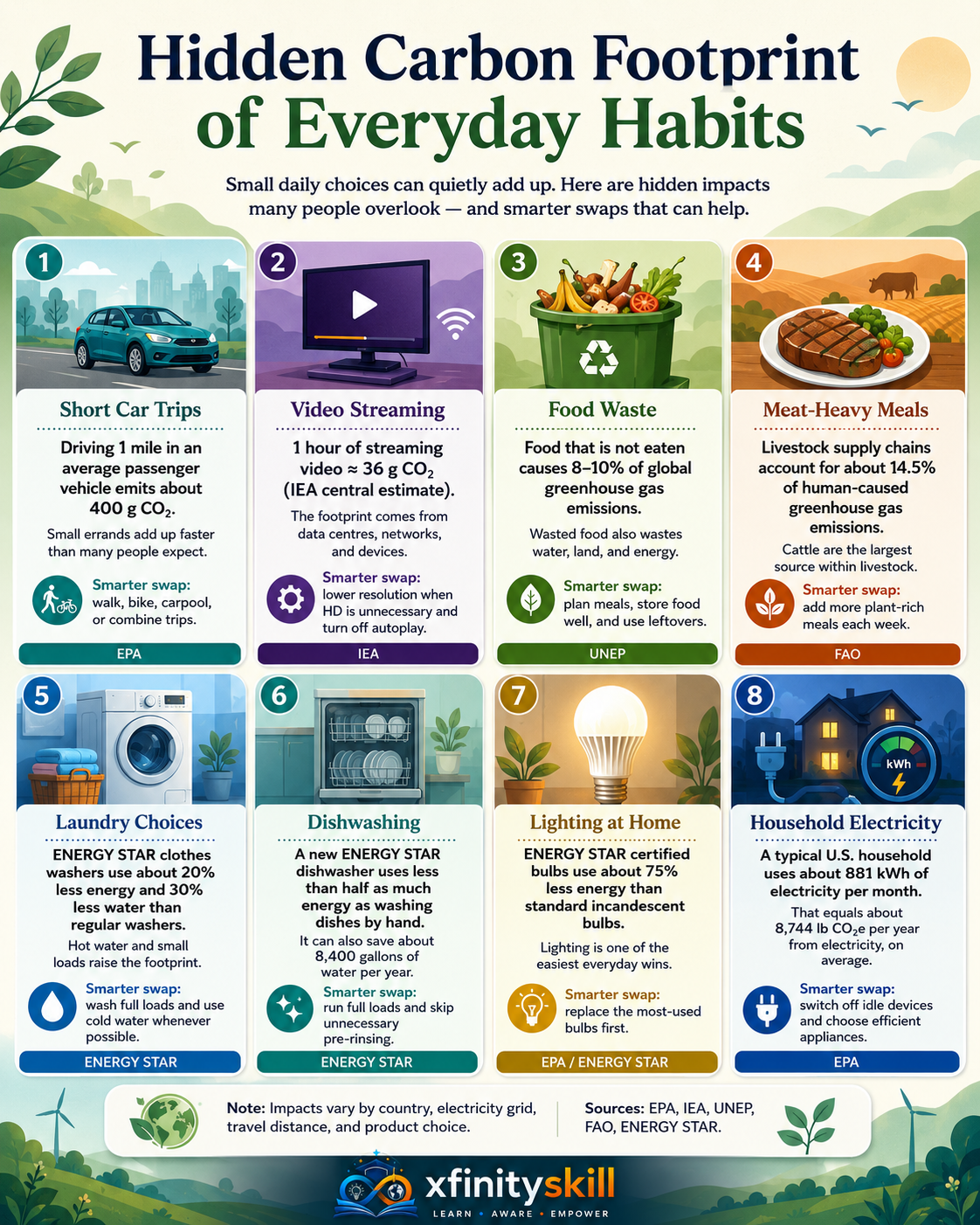
The hidden carbon footprint of our everyday habits is often overlooked, yet it plays a significant role in contributing to climate change. Understanding these habits can empower us to make more sustainable choices in our daily lives.
One of the most impactful areas is our diet. The production of food, especially meat and dairy, generates substantial greenhouse gas emissions. For instance, beef production is known to emit more carbon dioxide and methane compared to plant-based foods. By incorporating more plant-based meals into our diets, we can significantly reduce our carbon footprint.
Transportation is another major contributor. Many people rely on cars for daily commutes, which can lead to high emissions. Opting for public transportation, biking, or walking not only reduces carbon emissions but also promotes a healthier lifestyle. Carpooling and using electric vehicles are also effective ways to minimize our impact.
Energy consumption in our homes is often underestimated. Simple actions like turning off lights when not in use, using energy-efficient appliances, and reducing water heating can lead to substantial reductions in energy use. Additionally, considering renewable energy sources, such as solar panels, can further decrease our carbon footprint.
Waste management is crucial as well. The production and disposal of plastic contribute significantly to carbon emissions. Reducing single-use plastics, recycling, and composting can help mitigate this impact. By being mindful of our consumption and waste, we can contribute to a more sustainable future.
Lastly, our shopping habits can also have hidden carbon costs. Fast fashion, for example, is notorious for its environmental impact. Choosing to buy less, opting for sustainable brands, or shopping second-hand can help reduce the carbon footprint associated with clothing production.
In conclusion, by being aware of the hidden carbon footprints of our everyday habits, we can make informed choices that contribute to a healthier planet. Small changes in our diets, transportation methods, energy use, waste management, and shopping habits can collectively lead to significant reductions in carbon emissions.