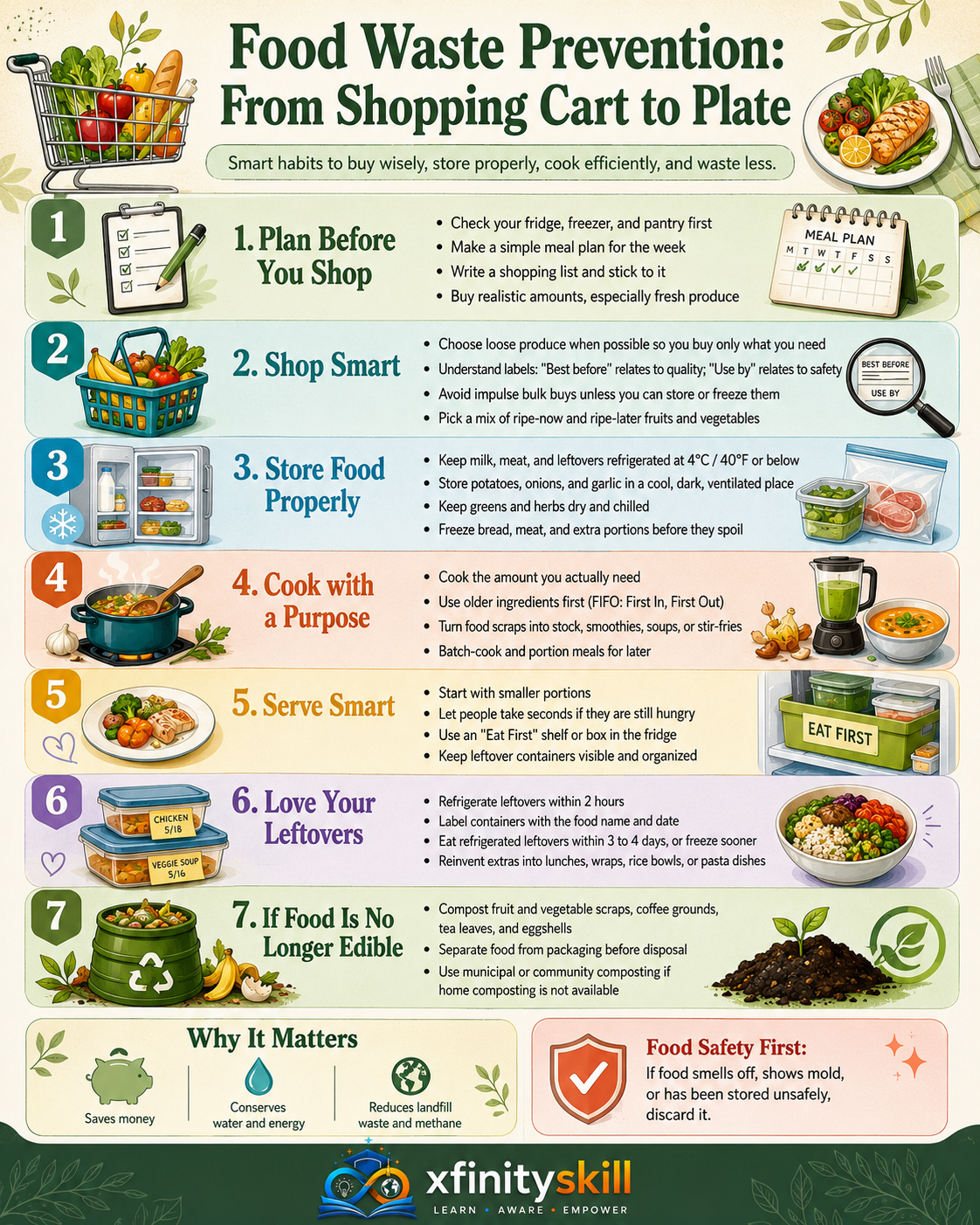
Food Waste Prevention: From Shopping Cart to Plate
Food waste is a significant global issue, impacting not only the environment but also the economy and food security. Understanding how to prevent food waste from the moment we shop to when we serve our meals is crucial for creating a sustainable future.
1. Smart Shopping Practices
To minimize food waste, start with smart shopping habits. Here are some tips:
- Make a List: Before heading to the store, create a shopping list based on your meal plan for the week. This helps avoid impulse buys and ensures you only purchase what you need.
- Check Your Pantry: Take stock of what you already have at home to prevent buying duplicates. This can help you use up items that might otherwise go to waste.
- Buy in Bulk Wisely: While buying in bulk can save money, ensure that you can consume the items before they spoil. Consider sharing bulk purchases with friends or family.
2. Understanding Expiration Dates
Many consumers misunderstand expiration dates, leading to unnecessary food waste. Here’s how to navigate them:
- Sell By vs. Use By: “Sell by” dates are for retailers, while “use by” dates indicate when food is at its best quality. Many products are still safe to consume after these dates.
- Trust Your Senses: If food looks, smells, and tastes fine, it’s often still good to eat. Use your judgment rather than relying solely on dates.
3. Proper Food Storage
Storing food correctly can significantly extend its shelf life. Consider these storage tips:
- Temperature Matters: Keep your refrigerator at 40°F (4°C) or below to slow down spoilage. Store perishables like fruits and vegetables in the crisper drawer.
- Use Airtight Containers: For leftovers, use airtight containers to keep food fresh longer and prevent contamination.
- Label and Date: Label your leftovers with the date they were made. This helps you keep track of what needs to be eaten first.
4. Creative Meal Planning
Planning meals can help reduce waste by ensuring you use all ingredients effectively:
- Incorporate Leftovers: Plan meals that can use up leftovers creatively. For example, roasted vegetables can be added to soups or salads.
- Batch Cooking: Prepare larger quantities of meals that can be frozen for later use. This not only saves time but also prevents food from going bad.
5. Composting and Donation
If you do have food scraps or items that are no longer edible, consider these options:
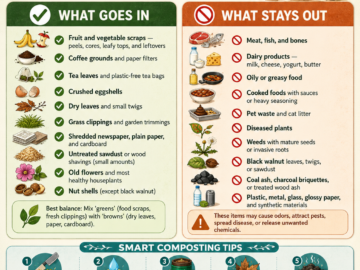
- Composting: Composting food scraps can reduce landfill waste and create nutrient-rich soil for gardening.
- Food Donation: If you have non-perishable items or surplus food, consider donating to local food banks or shelters. This helps those in need while reducing waste.
By implementing these strategies, we can all contribute to reducing food waste from the shopping cart to the plate. Every small action counts in creating a more sustainable food system.