Eco-friendly cleaning means keeping our homes clean while reducing harm to our health, indoor air, water systems, and the environment. It is not only about using “natural” products; it is also about choosing safer ingredients, using the correct amount, avoiding unnecessary waste, and preventing chemical exposure.
Many conventional cleaning products can release volatile organic compounds, or VOCs, which may affect indoor air quality. The U.S. Environmental Protection Agency notes that some organic pollutants can be higher indoors than outdoors, so choosing safer products and improving ventilation can make cleaning healthier.
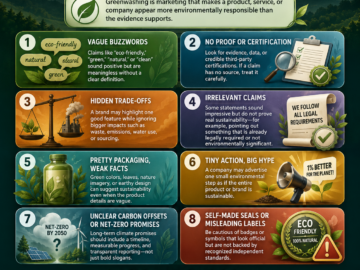
A reliable way to choose safer cleaners is to look for trusted certification labels. The EPA’s Safer Choice label helps consumers identify cleaning products made with ingredients that are safer for people and the environment, while still meeting performance standards. For disinfectants and sanitizers, the EPA also uses the Design for the Environment label.
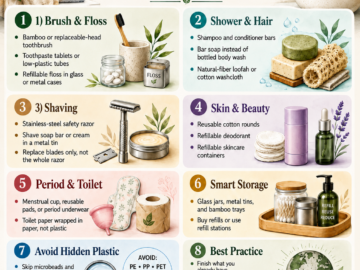
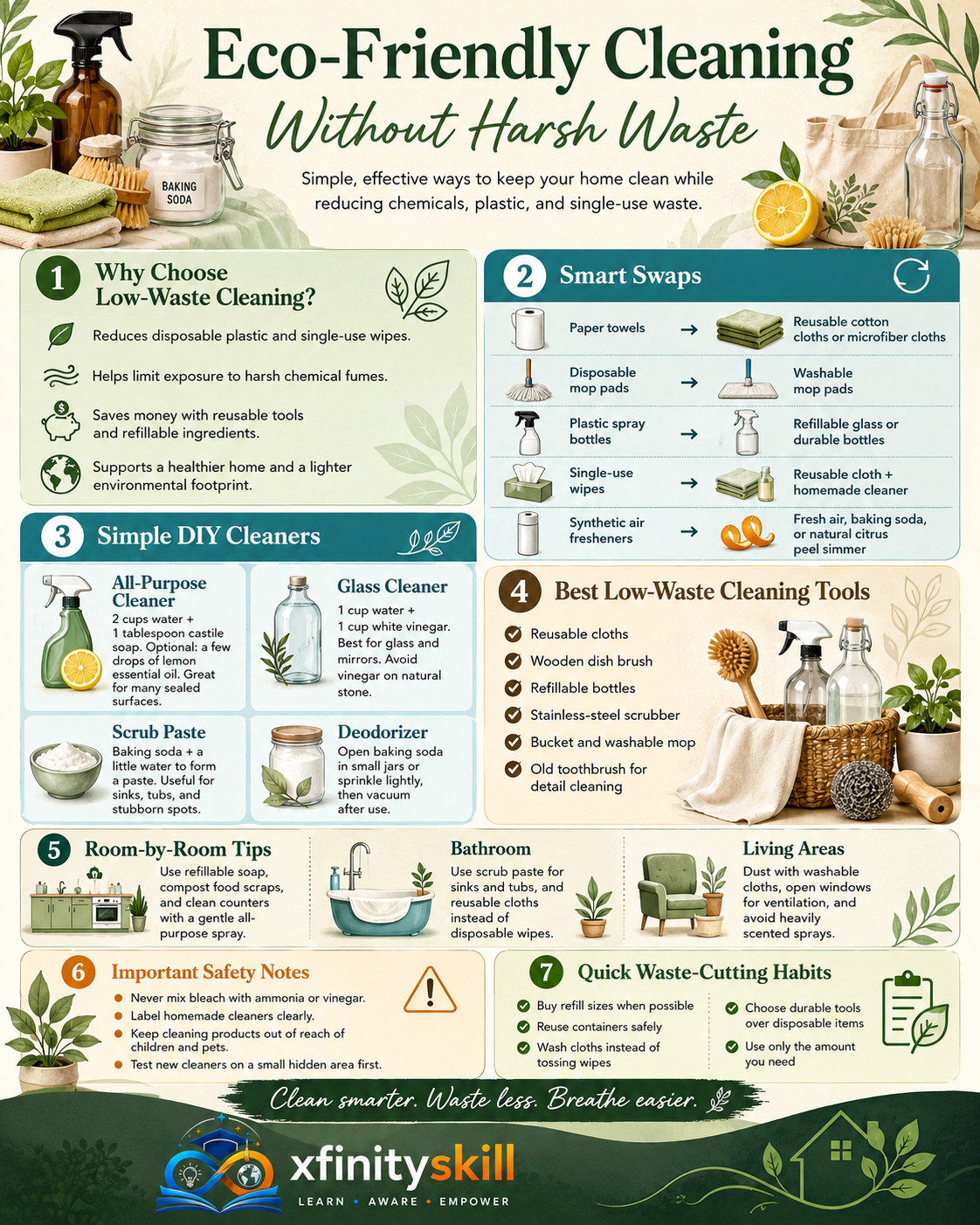
Eco-friendly cleaning also means reducing waste. Instead of buying many single-use products, households can choose concentrated cleaners, refillable bottles, reusable cloths, washable mop pads, and durable brushes. Using only the recommended amount of cleaner helps prevent chemical residue, saves money, and reduces what goes down the drain.
For everyday cleaning, simple methods can often work well. The American Lung Association explains that warm water and soap are often enough for regular cleaning, baking soda can help with scrubbing, and vinegar mixed with water may be useful for glass cleaning. However, “natural” does not always mean risk-free, so products should still be used carefully and never mixed randomly.
Safety is a major part of eco-friendly cleaning. Health Canada advises people to use household chemical products safely, which includes reading labels, following instructions, and understanding possible hazards. Cleaners should be stored safely, especially away from children and pets.
A very important rule is: do not mix cleaning products. Mixing products such as bleach with ammonia, vinegar, or other cleaners can create dangerous fumes. Even when using greener products, it is best to clean in a well-ventilated area, keep products in original containers, and follow label directions.
Key Practices for Low-Waste, Safer Cleaning
Choose certified safer products when possible. Look for trusted labels such as EPA Safer Choice or Design for the Environment.
Use less, but use correctly. Follow the label amount instead of over-pouring.
Replace disposables with reusables. Use washable cloths, refillable spray bottles, reusable mop pads, and durable cleaning tools.
Avoid unnecessary fragrances. Fragrance-free or low-fragrance options may reduce indoor air irritation for sensitive people.
Clean first, disinfect only when needed. Regular cleaning removes dirt and many germs; disinfecting is usually needed for high-risk areas or illness situations.
Ventilate while cleaning. Open windows or doors when possible, especially when using stronger products.
Never mix cleaners. Combining products can create harmful chemical reactions.