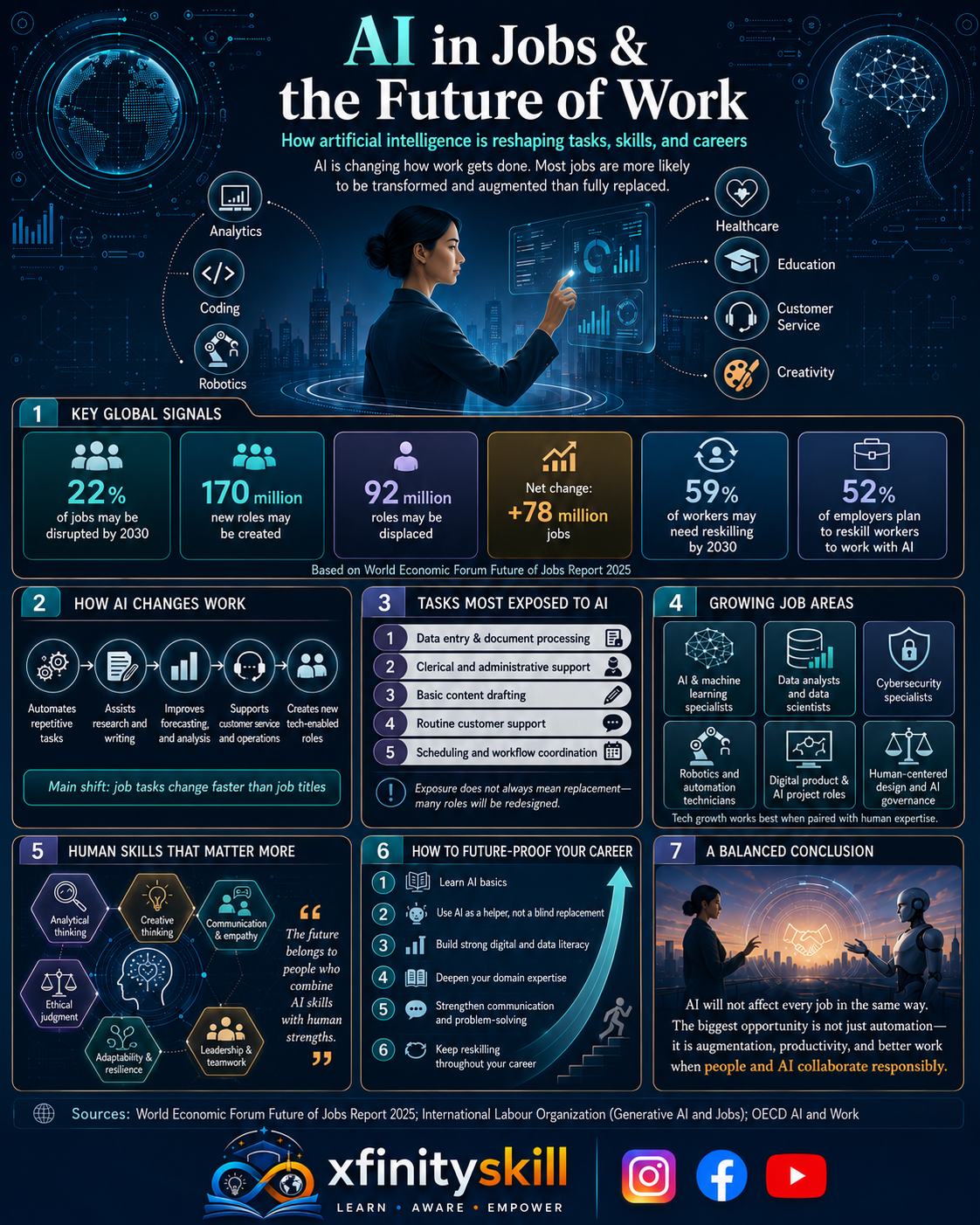
AI is transforming the landscape of jobs and the future of work in profound ways. As technology continues to evolve, the integration of artificial intelligence into various industries is reshaping how we approach tasks, collaborate, and innovate.
One of the most significant impacts of AI is the automation of repetitive and mundane tasks. This allows employees to focus on more strategic and creative aspects of their roles. For instance, in sectors like manufacturing and logistics, AI-driven robots can handle assembly lines and inventory management, leading to increased efficiency and reduced operational costs.
Moreover, AI is enhancing decision-making processes. With advanced data analytics, businesses can leverage AI to gain insights from vast amounts of data, enabling them to make informed decisions quickly. This capability is particularly valuable in fields such as finance, healthcare, and marketing, where timely and accurate information is crucial.
However, the rise of AI also raises concerns about job displacement. While some roles may become obsolete, new opportunities are emerging in AI development, maintenance, and oversight. The demand for skilled workers who can work alongside AI systems is on the rise, highlighting the need for continuous learning and adaptation in the workforce.
In addition, AI is fostering remote work and flexible job arrangements. With AI tools facilitating communication and collaboration, teams can work effectively from anywhere in the world. This shift not only enhances work-life balance but also opens up a global talent pool for employers.
As we look to the future, it’s essential to embrace the changes brought by AI while also addressing the challenges. Companies and educational institutions must invest in reskilling and upskilling programs to prepare the workforce for the evolving job market. By fostering a culture of adaptability and innovation, we can harness the full potential of AI to create a more efficient, inclusive, and dynamic work environment.
In conclusion, AI is not just a tool; it’s a catalyst for change in the world of work. By understanding its implications and preparing for its integration, we can shape a future where technology and human talent coexist harmoniously, driving progress and prosperity for all.