Emotional Regulation Skills
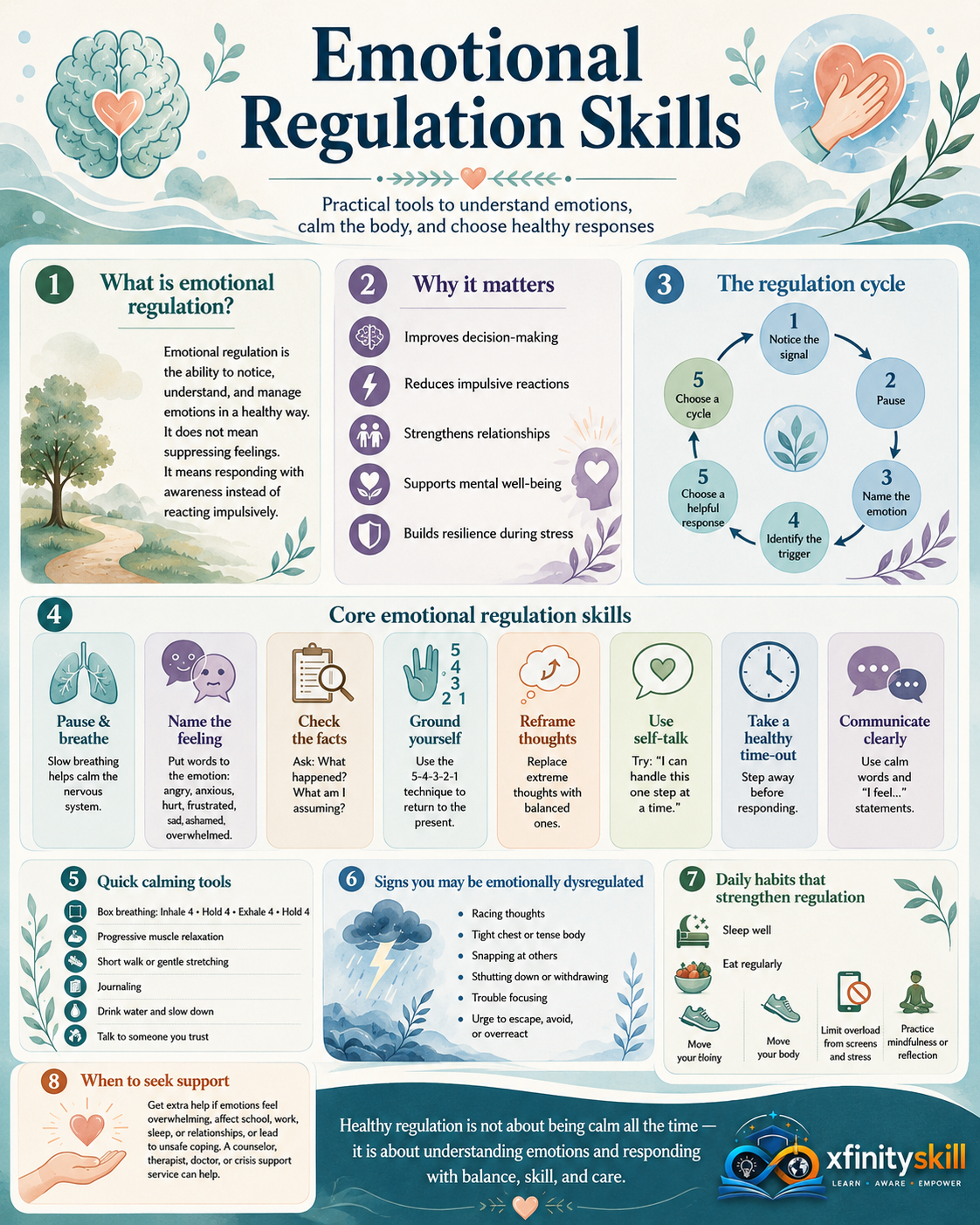
Emotional regulation skills are essential tools that help individuals manage their emotions effectively. These skills enable us to respond to emotional experiences in a healthy way, rather than reacting impulsively or being overwhelmed by our feelings. Here are some key aspects of emotional regulation skills:
- Awareness of Emotions
Understanding and recognizing your emotions is the first step in emotional regulation. This involves being mindful of what you are feeling and why. Keeping a journal or practicing mindfulness can enhance your emotional awareness. - Identifying Triggers
Knowing what triggers your emotions can help you prepare for and manage them better. This could be specific situations, people, or stressors that evoke strong feelings. By identifying these triggers, you can develop strategies to cope with them. - Cognitive Reappraisal
This skill involves changing the way you think about a situation to alter your emotional response. For example, viewing a challenging situation as an opportunity for growth can help reduce feelings of anxiety or frustration. - Self-Soothing Techniques
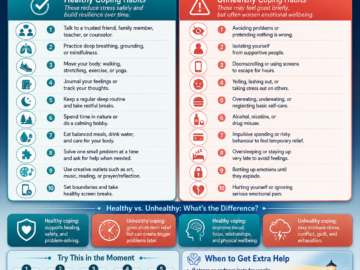
Engaging in activities that calm you down is crucial for emotional regulation. This could include deep breathing exercises, meditation, or engaging in hobbies that bring you joy. Finding what works for you is key. - Seeking Support
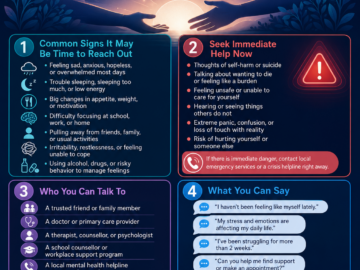
Sometimes, talking to someone about your feelings can provide relief and perspective. Whether it’s a friend, family member, or therapist, having a support system can help you navigate your emotions more effectively. - Practicing Problem-Solving
When faced with emotional challenges, developing problem-solving skills can empower you to take action rather than feeling stuck. This involves breaking down the problem, brainstorming solutions, and taking steps to implement them. - Setting Boundaries
Learning to say no and setting healthy boundaries can protect your emotional well-being. It’s important to prioritize your needs and ensure that you are not overextending yourself in relationships or commitments.
By cultivating these emotional regulation skills, individuals can enhance their emotional intelligence, improve their relationships, and lead a more balanced life. Remember, emotional regulation is a skill that takes practice, so be patient with yourself as you develop these abilities.