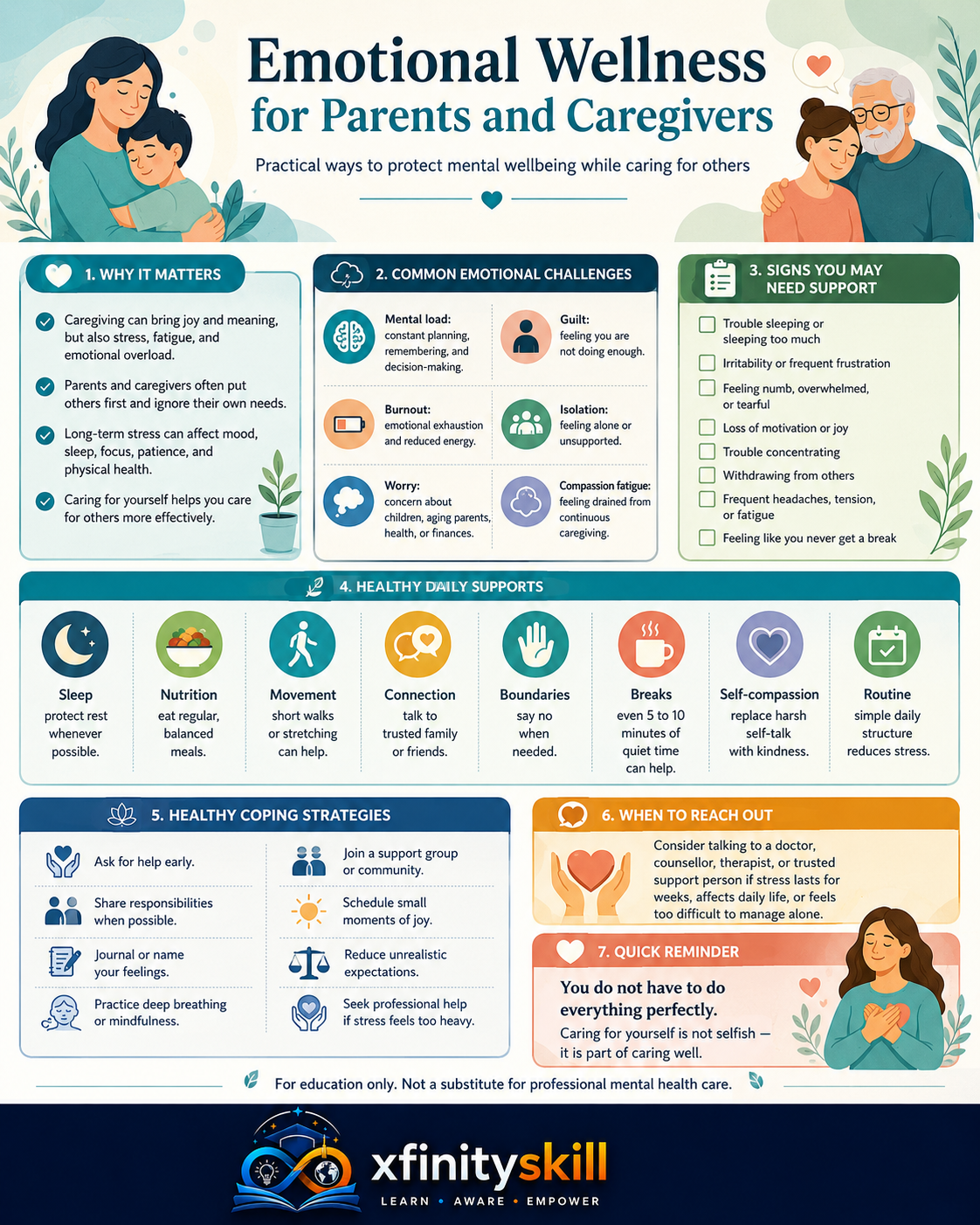
Emotional wellness is crucial for parents and caregivers, as it directly impacts their ability to nurture and support their children. Here are some key aspects to consider:
- Self-Care: Prioritize your own physical and mental health. Engage in activities that rejuvenate you, whether it’s exercise, reading, or spending time with friends.
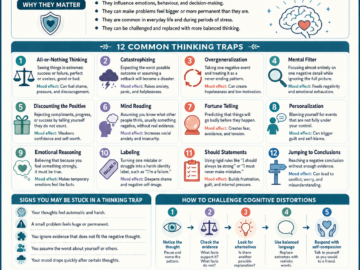
- Mindfulness Practices: Incorporate mindfulness techniques such as meditation or deep-breathing exercises. These practices can help reduce stress and improve emotional regulation.
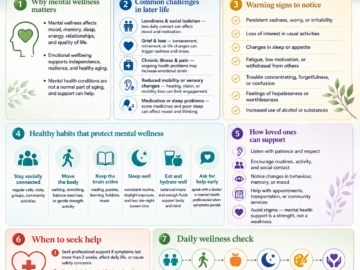
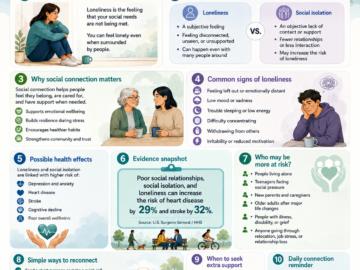
- Support Networks: Build a strong support system. Connect with other parents or caregivers who understand your challenges. Sharing experiences can provide comfort and practical advice.
- Open Communication: Foster an environment where feelings can be expressed openly. Encourage your children to share their emotions, and model healthy communication yourself.
- Set Boundaries: Learn to say no and set limits to avoid burnout. It’s essential to recognize your own needs and prioritize them alongside your caregiving responsibilities.
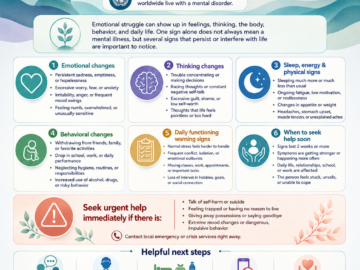
- Seek Professional Help: If feelings of overwhelm persist, consider speaking with a mental health professional. Therapy can provide valuable tools and strategies for managing stress and emotional challenges.
- Engage in Hobbies: Make time for activities that bring you joy. Whether it’s painting, gardening, or playing an instrument, hobbies can be a great outlet for stress relief.
- Practice Gratitude: Regularly reflect on what you are grateful for. Keeping a gratitude journal can shift your focus from stressors to positive aspects of your life.
By nurturing your emotional wellness, you not only enhance your own well-being but also create a more positive and supportive environment for your children. Remember, taking care of yourself is not a luxury; it’s a necessity for effective caregiving.