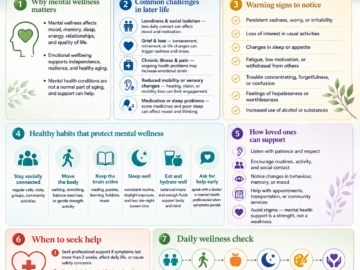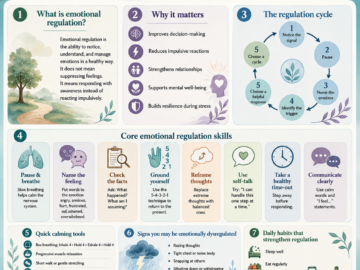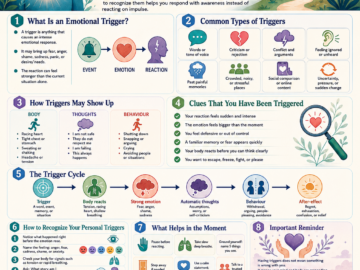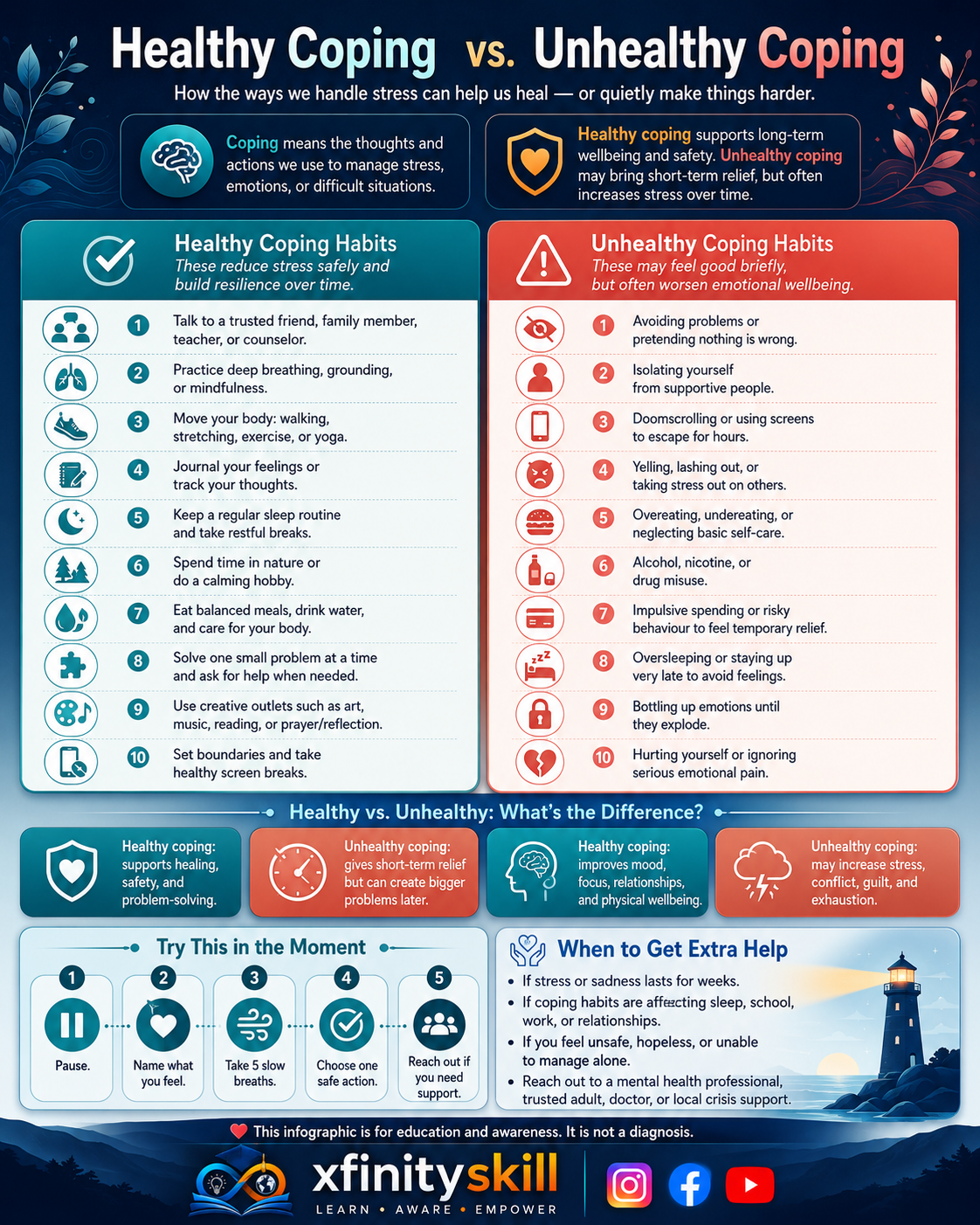
Healthy coping strategies are essential for managing stress and maintaining emotional well-being. These strategies help individuals navigate life’s challenges in a constructive manner. Some examples include:
- Exercise: Engaging in physical activity can boost mood and reduce anxiety.
- Mindfulness and Meditation: Practicing mindfulness helps in staying present and reducing stress.
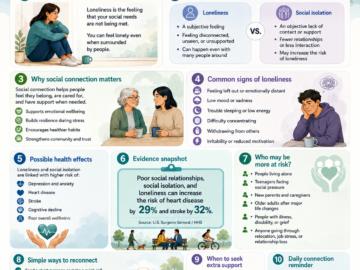
- Social Support: Connecting with friends and family can provide comfort and perspective.
- Creative Outlets: Activities like painting, writing, or playing music can serve as a form of expression and relief.
On the other hand, unhealthy coping mechanisms can lead to further problems and exacerbate stress. These might include:
- Substance Abuse: Relying on drugs or alcohol to escape feelings.
- Avoidance: Ignoring problems or procrastinating can lead to increased anxiety.
- Overeating or Undereating: Using food as a way to cope with emotions can harm physical health.
- Aggression: Taking out frustrations on others can damage relationships and create more stress.
Recognizing the difference between healthy and unhealthy coping is crucial for personal growth and emotional resilience. By focusing on positive strategies, individuals can enhance their ability to cope with life’s ups and downs effectively.