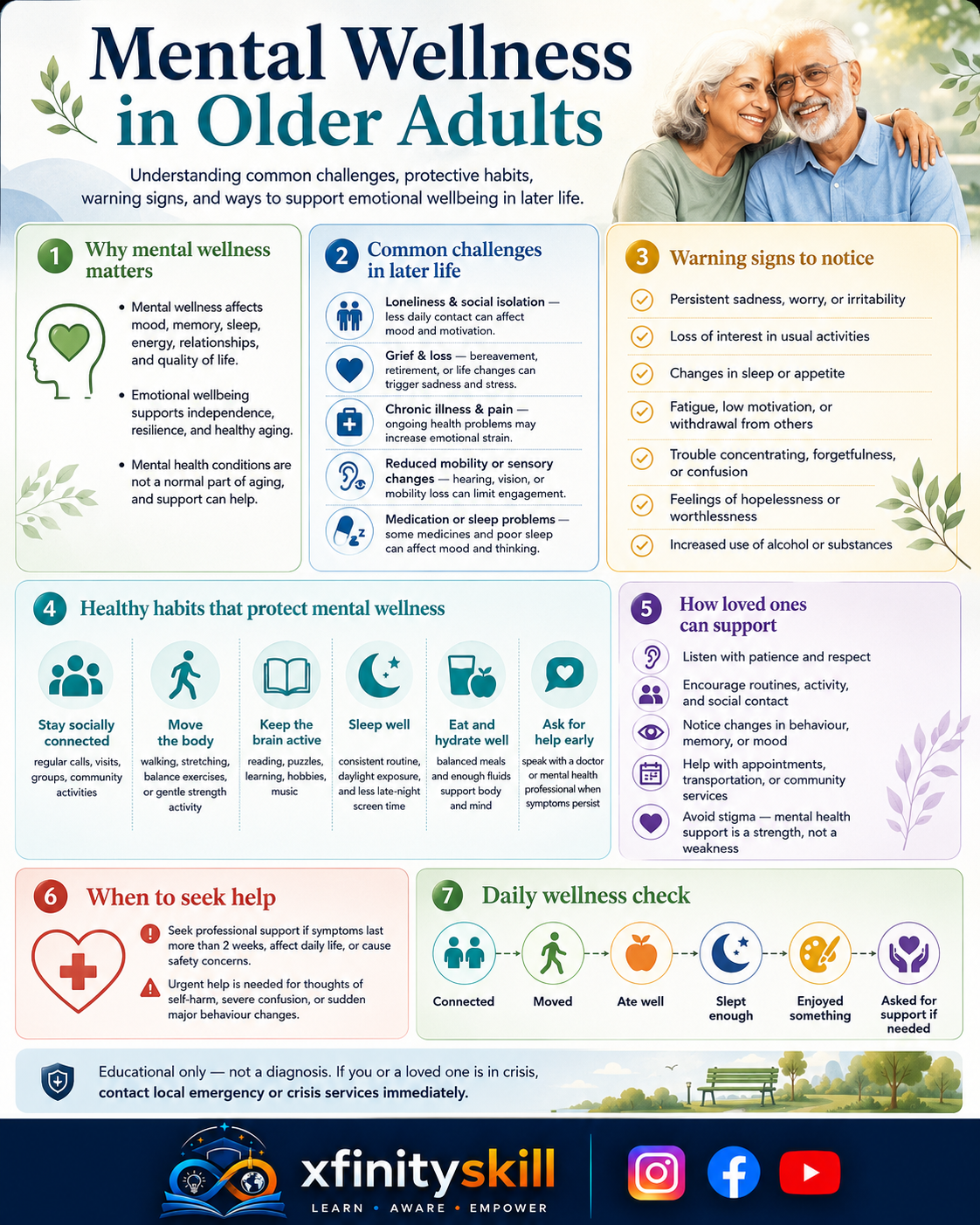
Mental wellness is a crucial aspect of overall health for older adults. As individuals age, they may face various challenges that can impact their mental health, including physical health issues, loss of loved ones, and social isolation.
To promote mental wellness in older adults, consider the following strategies:
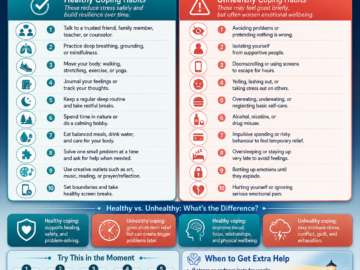
- Stay Connected: Encourage regular social interactions with family, friends, and community groups. Social engagement can help combat feelings of loneliness and depression.
- Physical Activity: Regular exercise is not only beneficial for physical health but also enhances mood and cognitive function. Activities like walking, yoga, or dancing can be enjoyable and effective.
- Healthy Diet: A balanced diet rich in fruits, vegetables, whole grains, and lean proteins can support brain health. Omega-3 fatty acids, found in fish, are particularly beneficial.
- Mental Stimulation: Engage in activities that challenge the brain, such as puzzles, reading, or learning new skills. This can help maintain cognitive function and prevent decline.
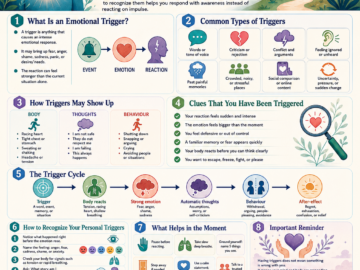
- Mindfulness and Relaxation: Practices like meditation, deep breathing, and mindfulness can reduce stress and improve emotional well-being.
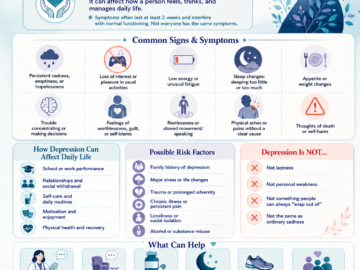
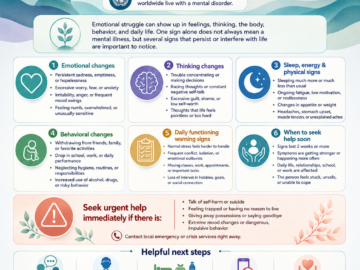
- Seek Professional Help: Encourage older adults to talk to a mental health professional if they experience persistent sadness, anxiety, or other mental health concerns. Therapy and medication can be effective treatments.
- Routine and Structure: Establishing a daily routine can provide a sense of stability and purpose, which is important for mental wellness.
By focusing on these areas, we can help older adults maintain their mental wellness and lead fulfilling lives.