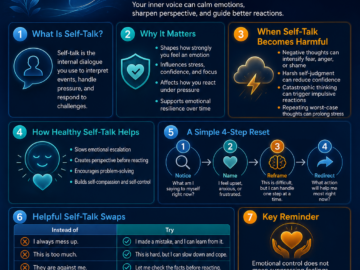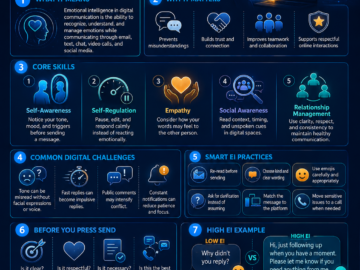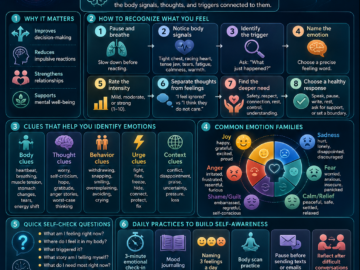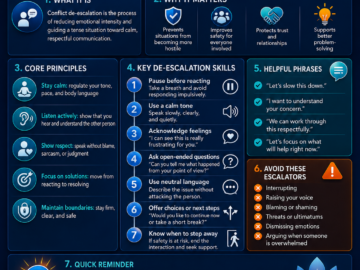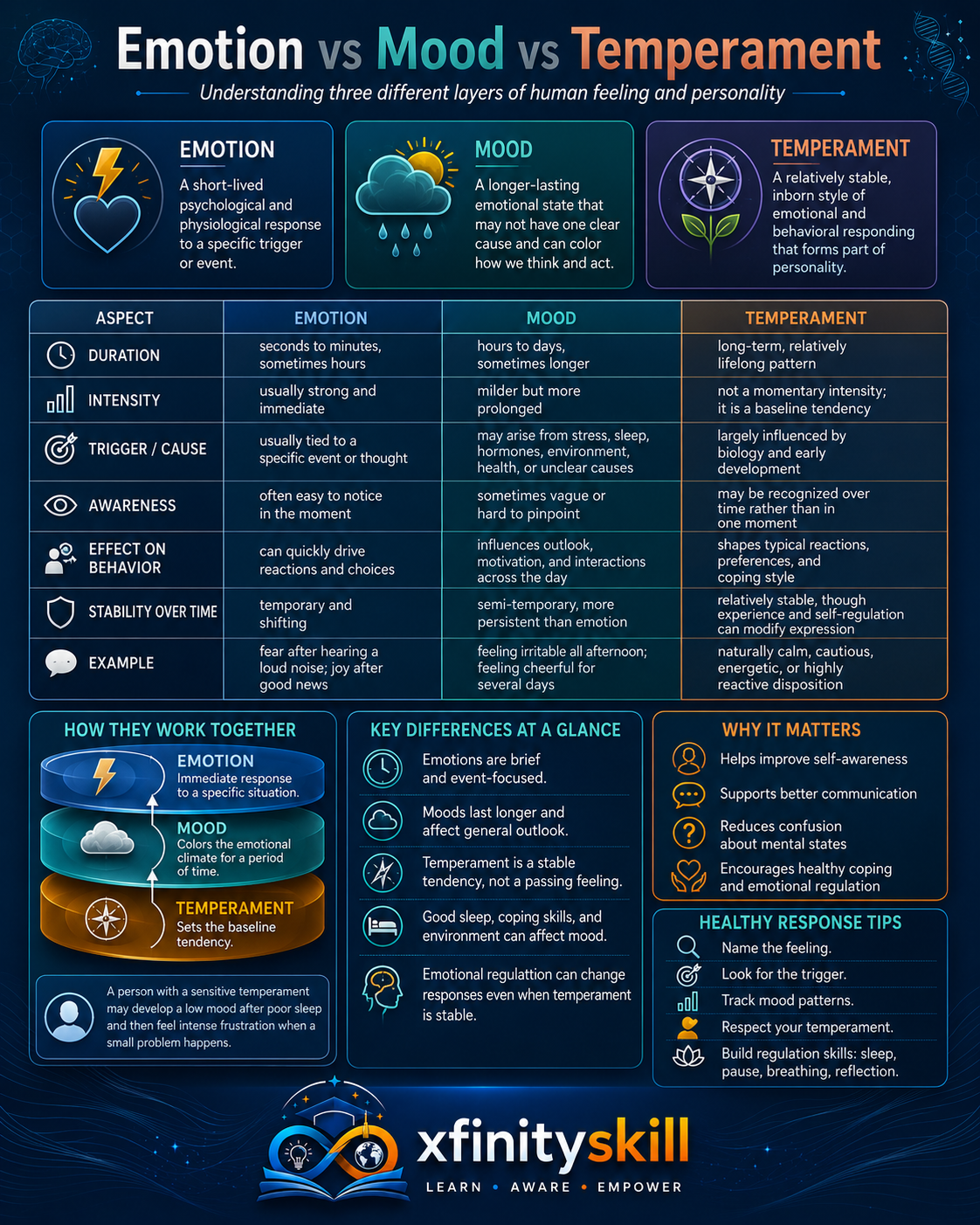
Emotions, moods, and temperament are interconnected yet distinct concepts that play a significant role in our psychological landscape.
Emotions are short-lived, intense feelings that arise in response to specific stimuli. They can be triggered by external events or internal thoughts and often lead to immediate reactions. For example, feeling joy when receiving good news or anger when faced with injustice.
Moods, on the other hand, are more prolonged and less intense than emotions. They can last for hours, days, or even longer, and are not always linked to a specific event. Moods can influence how we perceive situations and interact with others. For instance, someone in a good mood may be more optimistic and sociable, while someone in a bad mood might be irritable or withdrawn.
Temperament refers to the inherent personality traits that shape how we respond to our environment. It is often considered a stable aspect of our personality, influencing our emotional responses and moods over time. Temperament can be seen in how individuals react to stress, their level of sociability, and their general disposition towards life.
Understanding these differences can help us navigate our emotional experiences and improve our interactions with others.