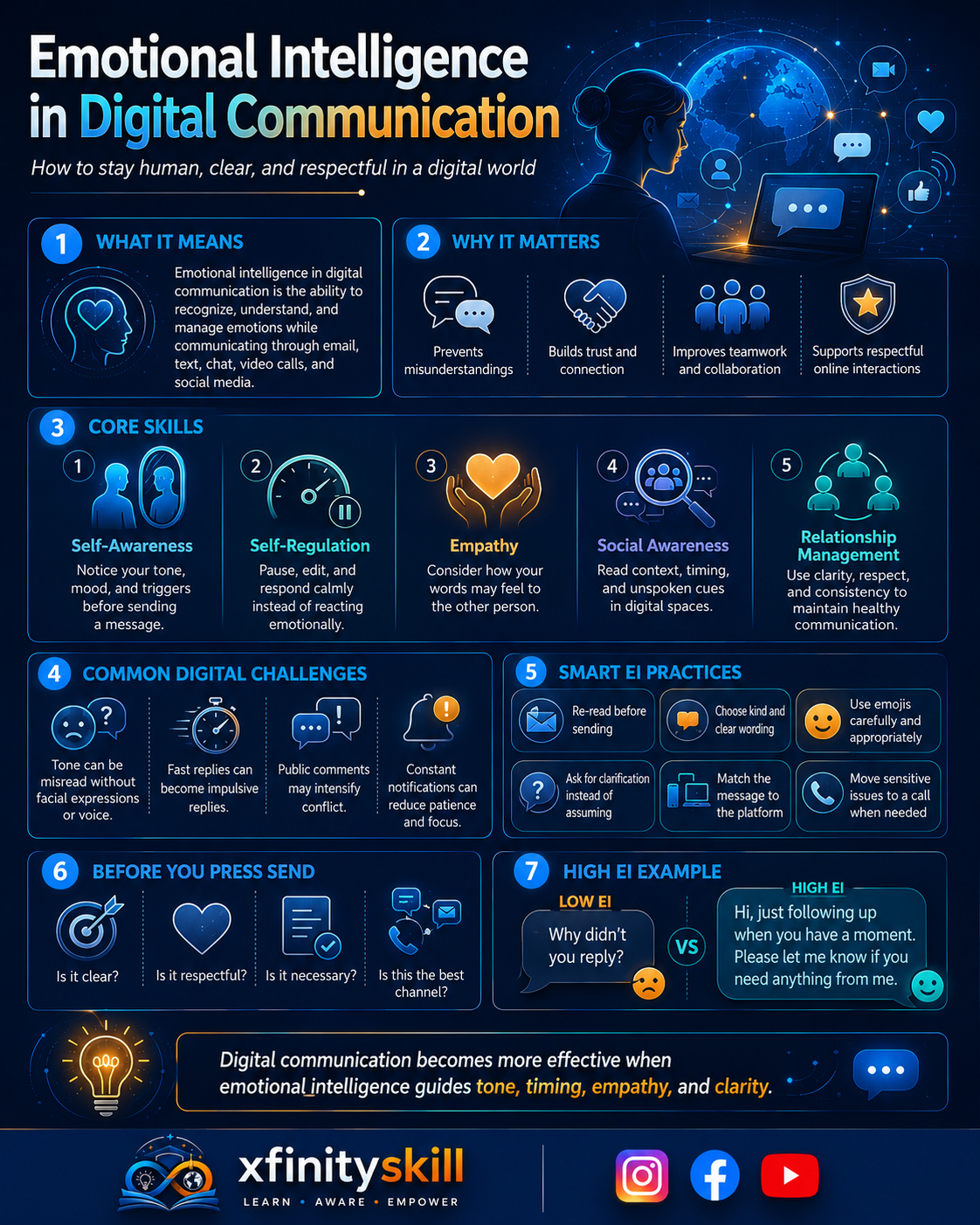
Emotional intelligence (EI) plays a crucial role in digital communication, where the absence of physical cues can lead to misunderstandings. In an increasingly digital world, being able to recognize, understand, and manage emotions—both our own and those of others—becomes essential for effective interactions.
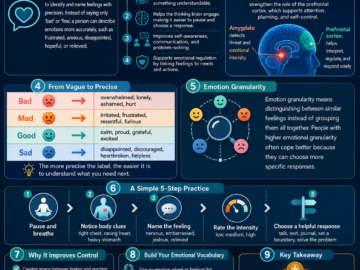
One of the key aspects of EI in digital communication is empathy. When communicating through emails, texts, or social media, it’s important to consider the emotional state of the recipient. This can help in crafting messages that resonate and foster connection. For instance, using a warm tone or acknowledging someone’s feelings can make a significant difference in how a message is received.
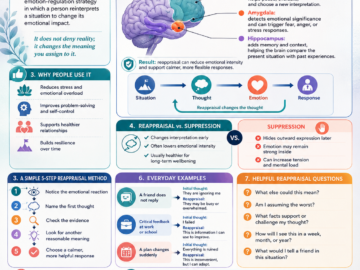
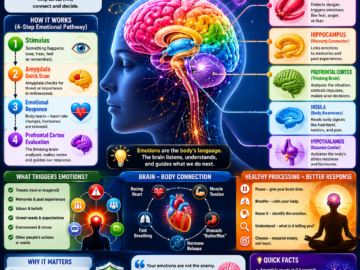
Moreover, self-awareness is vital. Understanding our own emotional triggers can help us respond thoughtfully rather than react impulsively. This is particularly important in heated discussions or when receiving criticism online. By taking a moment to reflect before responding, we can maintain professionalism and avoid escalating conflicts.
Another important component is social skills. Building rapport in digital spaces requires active listening and clear communication. Engaging with others by asking questions, providing feedback, and showing appreciation can enhance relationships and create a positive online environment.
Lastly, managing emotions is crucial in digital communication. The anonymity and distance of online interactions can sometimes lead to negative behaviors, such as trolling or cyberbullying. By practicing emotional regulation, we can contribute to a more respectful and supportive digital community.
In summary, emotional intelligence is a powerful tool in digital communication. By cultivating empathy, self-awareness, social skills, and emotional regulation, we can improve our interactions and create a more positive online experience for everyone involved.