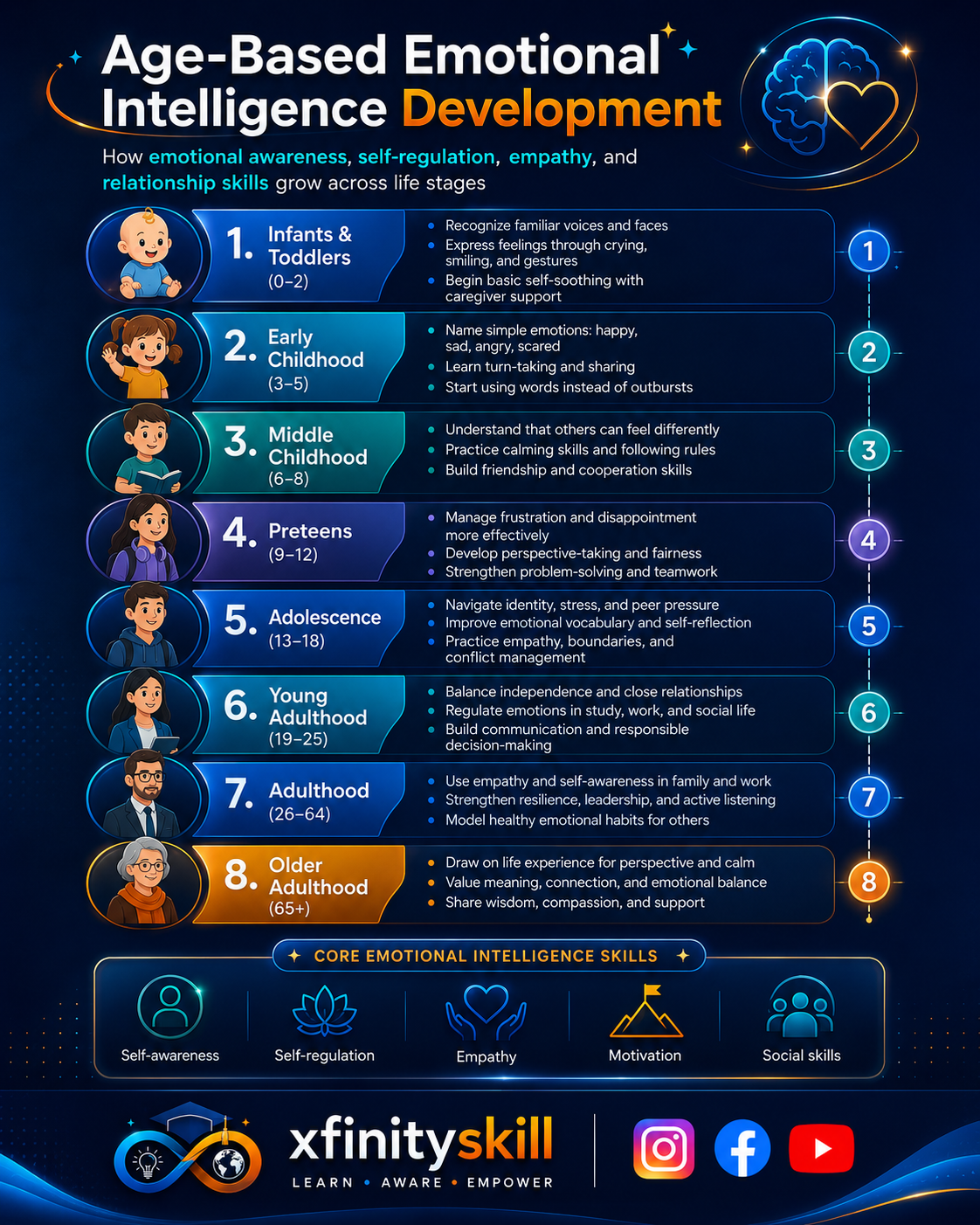
Age-Based Emotional Intelligence Development is a fascinating journey that highlights how our emotional skills evolve as we grow. Understanding this progression can help individuals harness their emotional intelligence (EI) at different life stages, leading to better relationships and improved mental well-being.
At a young age, children begin to recognize their own emotions and those of others. This foundational stage is crucial as it sets the groundwork for empathy and social interactions. Activities like role-playing and storytelling can enhance their ability to express feelings and understand different perspectives.
As adolescents, individuals often experience heightened emotions due to hormonal changes and social pressures. This period is essential for developing self-regulation and coping strategies. Encouraging open discussions about feelings and providing tools for conflict resolution can significantly enhance their emotional maturity.
In adulthood, emotional intelligence becomes vital in professional and personal relationships. Adults are expected to navigate complex social dynamics, requiring advanced skills in empathy, communication, and emotional regulation. Continuous learning through workshops, coaching, or self-reflection can further refine these skills.
Finally, in later adulthood, emotional intelligence can play a key role in maintaining mental health and fostering connections with others. Older adults often possess a wealth of life experiences that contribute to their emotional wisdom. Engaging in community activities and mentoring younger generations can help them share their insights while continuing to grow emotionally.
In summary, Age-Based Emotional Intelligence Development is a lifelong process that can be nurtured through intentional practices at every stage of life. By recognizing and supporting this development, individuals can enhance their emotional skills, leading to richer, more fulfilling lives.