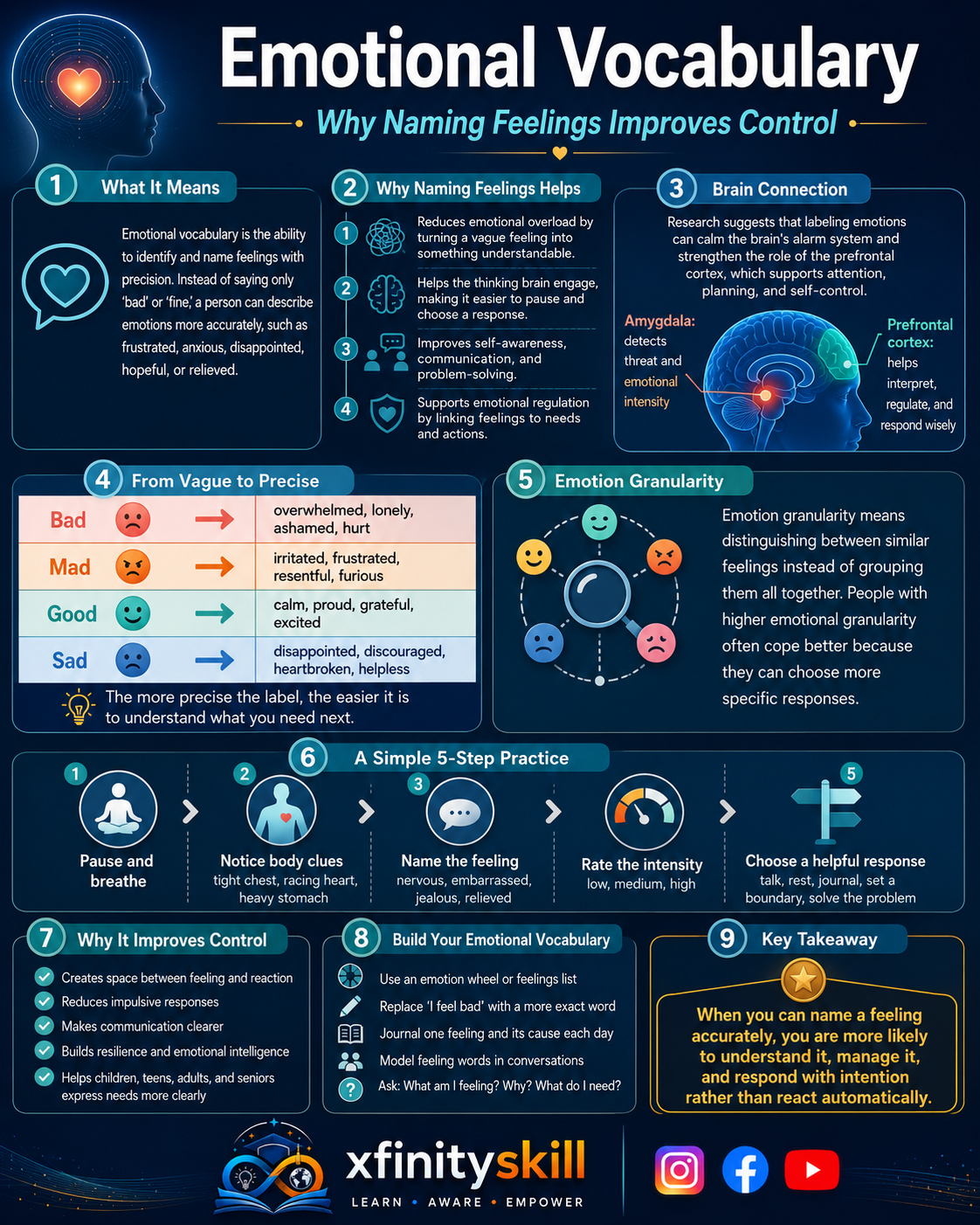
Naming our feelings is a powerful tool that can significantly enhance our emotional control and overall well-being. When we articulate our emotions, we create a bridge between our internal experiences and our external expressions. This process not only helps us understand ourselves better but also allows us to communicate our feelings more effectively to others.
One of the primary benefits of having a rich emotional vocabulary is that it enables us to identify and differentiate between various emotions. Instead of simply feeling “bad” or “good,” we can specify whether we are feeling anxious, frustrated, joyful, or content. This clarity can lead to better self-awareness and a deeper understanding of our emotional triggers.
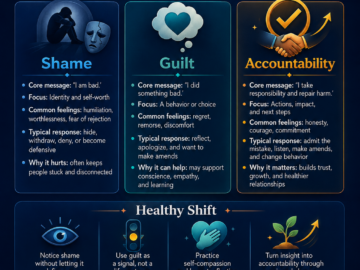
Moreover, naming our feelings can reduce their intensity. When we acknowledge and label our emotions, we take away some of their power over us. For instance, saying “I feel overwhelmed” can help us process that feeling rather than letting it consume us. This act of naming can create a sense of distance, allowing us to respond to our emotions more thoughtfully rather than react impulsively.
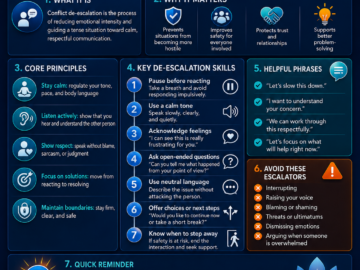
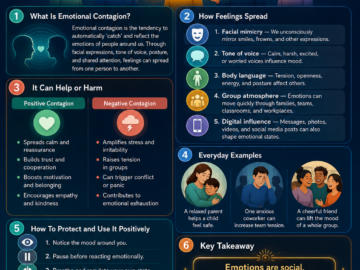
In addition, using emotional vocabulary fosters empathy and connection with others. When we express our feelings clearly, we invite others to understand our experiences and respond with compassion. This can strengthen relationships and create a supportive environment where open communication is encouraged.
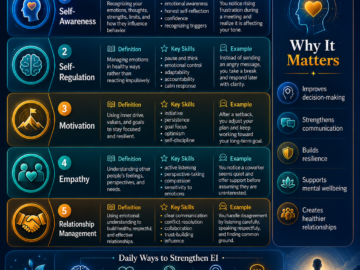
To cultivate a more robust emotional vocabulary, consider keeping a feelings journal. Write down your emotions as they arise, and explore what might be causing them. You can also practice using specific feeling words in conversations or during moments of reflection. Over time, this practice can enhance your emotional intelligence and improve your ability to navigate complex emotional landscapes.
In conclusion, naming our feelings is not just about labeling; it’s about gaining control over our emotional lives. By expanding our emotional vocabulary, we empower ourselves to understand, express, and manage our emotions more effectively, leading to healthier relationships and a more fulfilling life.