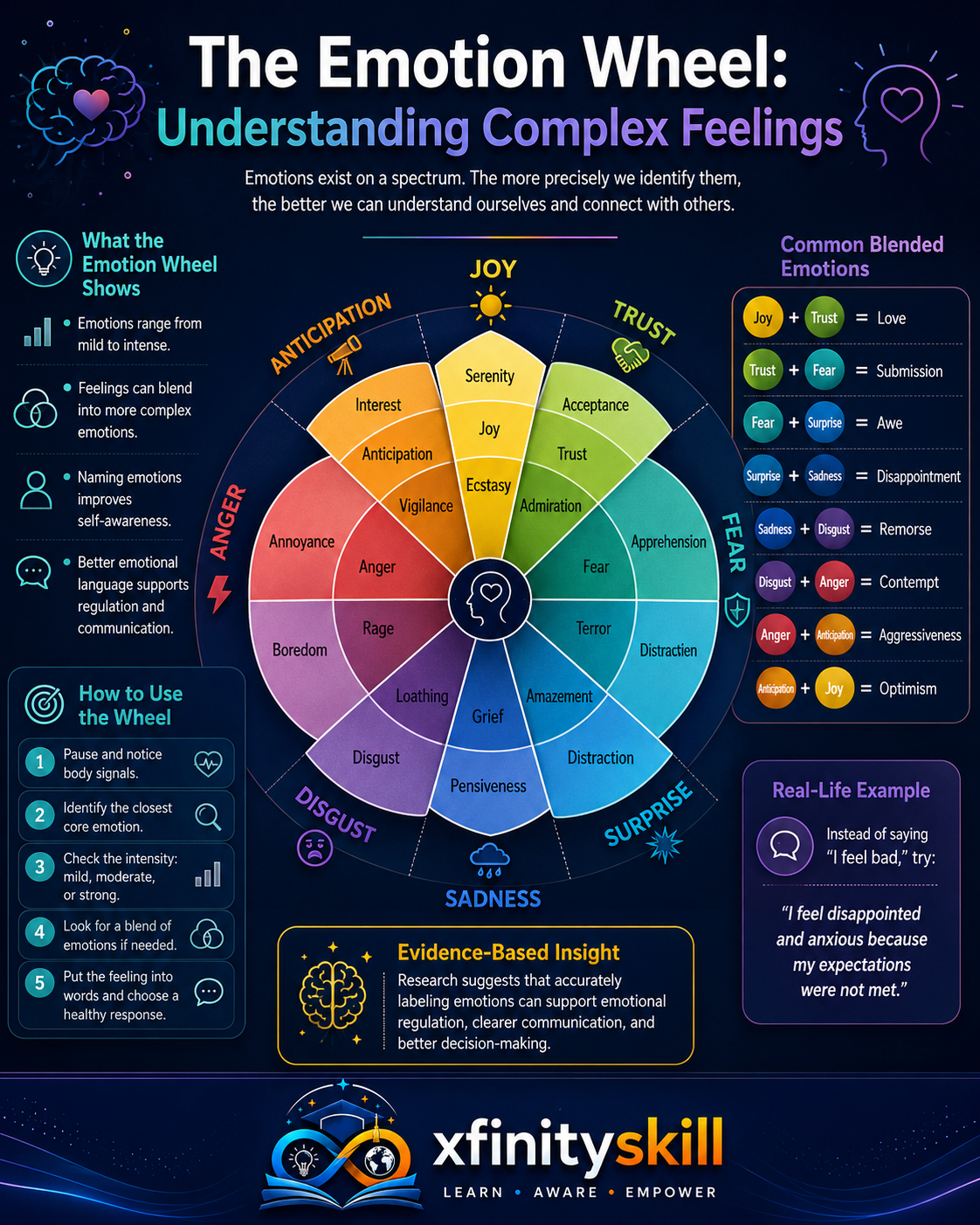
The Emotion Wheel is a powerful tool designed to help individuals identify and articulate their feelings more effectively. It categorizes emotions into primary and secondary feelings, providing a visual representation that simplifies the complex nature of human emotions.
At the center of the wheel are basic emotions such as joy, sadness, anger, fear, surprise, and disgust. As you move outward, these emotions branch into more nuanced feelings. For instance, joy can expand into feelings of happiness, contentment, or excitement, while sadness can lead to feelings of disappointment, grief, or loneliness. This structure allows for a deeper understanding of what one might be experiencing at any given moment.
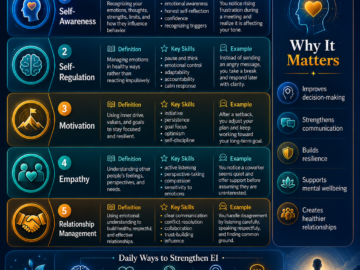
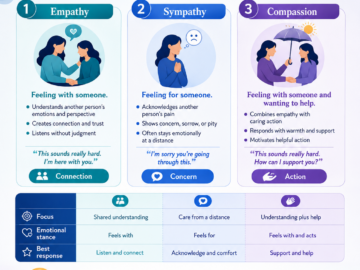
Using the Emotion Wheel can enhance emotional intelligence, enabling individuals to communicate their feelings more clearly and understand the emotions of others. It serves as a guide for self-reflection, helping people to pinpoint their emotional states and recognize patterns in their emotional responses.
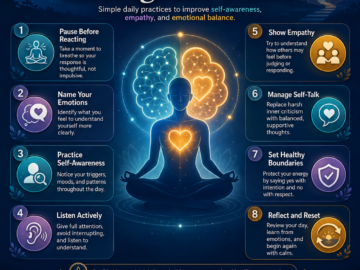
In practice, the Emotion Wheel can be used in various settings, from therapy sessions to personal journaling. By regularly referencing the wheel, individuals can develop a richer vocabulary for their emotions, fostering better relationships and improving mental well-being.
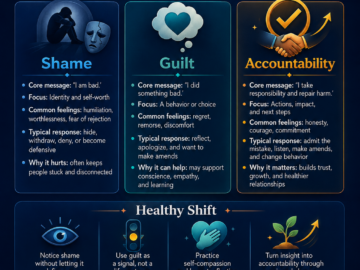
Ultimately, the Emotion Wheel is not just a tool for understanding feelings; it is a pathway to emotional growth and self-awareness. By embracing the complexity of our emotions, we can navigate life’s challenges with greater resilience and empathy.