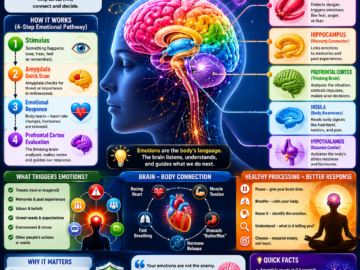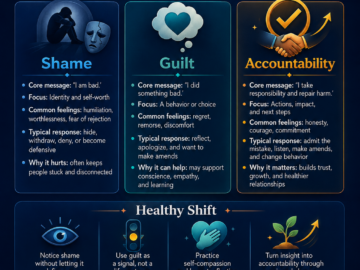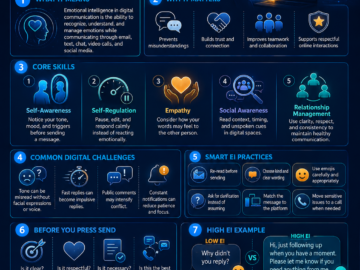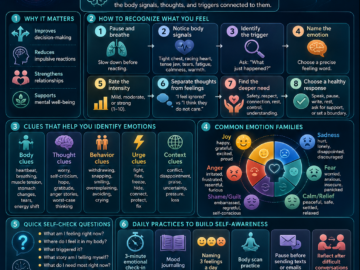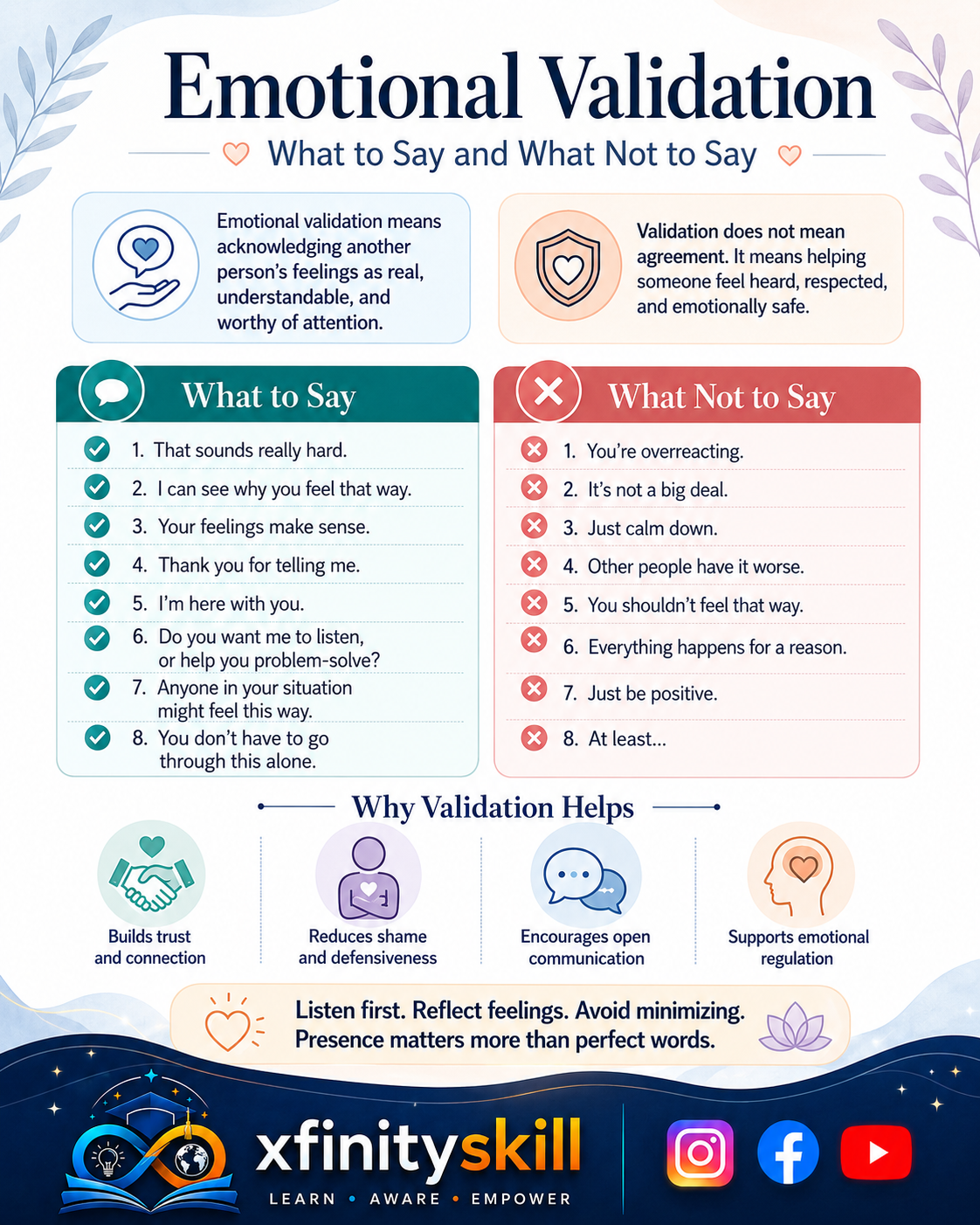
Emotional validation is a crucial aspect of effective communication, especially when it comes to supporting others in their emotional experiences. It involves acknowledging and accepting someone’s feelings without judgment, which can foster a deeper connection and understanding. Here’s a guide on what to say and what not to say when practicing emotional validation.
What to Say
- “I understand how you feel.”
This simple phrase can go a long way in making someone feel heard and understood. It shows empathy and encourages them to share more. - “It’s okay to feel this way.”
Validating that their feelings are acceptable can help alleviate any guilt or shame they might be experiencing. - “That sounds really tough.”
Acknowledging the difficulty of their situation demonstrates that you recognize their struggle and are there to support them. - “I’m here for you.”
Offering your presence and support reassures them that they are not alone in their feelings. - “Can you tell me more about it?”
Encouraging them to elaborate on their feelings shows that you are genuinely interested in understanding their experience.
What Not to Say
- “You shouldn’t feel that way.”
This dismisses their feelings and can make them feel invalidated or misunderstood. - “It’s not a big deal.”
Minimizing their emotions can lead to feelings of isolation and frustration, as it implies their feelings are unimportant. - “Just think positive.”
While positivity can be helpful, it can also come off as dismissive. It’s important to acknowledge their current feelings before suggesting a shift in perspective. - “Others have it worse.”
Comparing their situation to others can invalidate their feelings and make them feel guilty for expressing them. - “You’ll get over it.”
This can come across as dismissive and may make them feel like their emotions are not worthy of attention.
Conclusion
Practicing emotional validation is about creating a safe space for individuals to express their feelings. By knowing what to say and what not to say, you can foster a supportive environment that encourages open communication and emotional healing. Remember, the goal is to listen, empathize, and validate their experiences, allowing them to feel seen and understood.