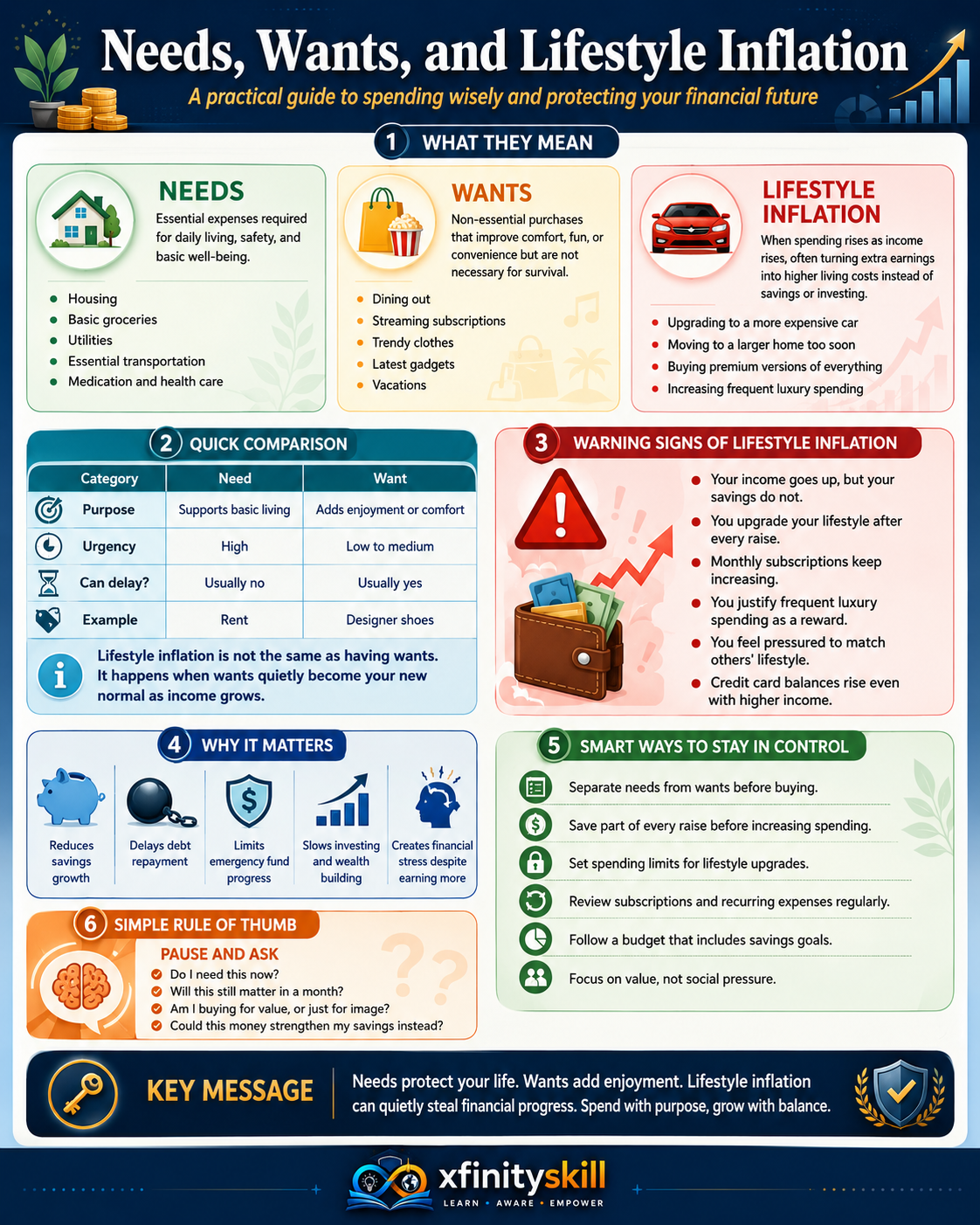
Understanding the concepts of needs, wants, and lifestyle inflation is crucial for effective financial literacy and money management.
Needs vs. Wants
At the core of financial literacy is the ability to distinguish between needs and wants. Needs are essential for survival and well-being, such as food, shelter, healthcare, and education. Wants, on the other hand, are non-essential items that enhance our quality of life, like luxury goods, entertainment, and dining out.
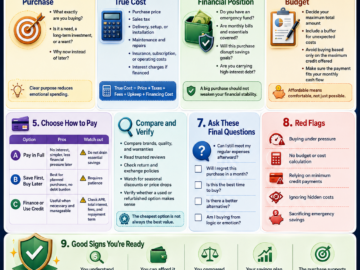
Recognizing this difference helps individuals prioritize their spending. A budget that focuses on fulfilling needs first ensures that essential expenses are covered before allocating funds to discretionary spending. This prioritization is fundamental in achieving financial stability and avoiding debt.
Lifestyle Inflation
Lifestyle inflation refers to the tendency to increase spending as income rises. When individuals receive a raise or a new job, they often feel compelled to upgrade their lifestyle—buying a bigger house, a new car, or indulging in more expensive leisure activities. While it’s natural to want to enjoy the fruits of one’s labor, unchecked lifestyle inflation can lead to financial strain.
To combat lifestyle inflation, it’s essential to maintain a balanced approach to income increases. Here are some strategies:
- Save and Invest First: Allocate a portion of any income increase to savings or investments before adjusting your lifestyle. This ensures that you are building wealth rather than just increasing your expenses.
- Set Financial Goals: Establish clear financial goals, such as saving for retirement, a home, or education. This focus can help you resist the urge to overspend on wants.
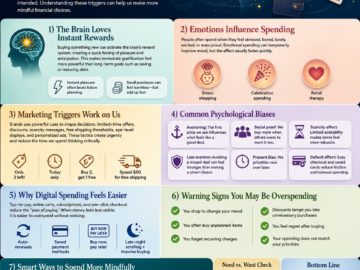
- Practice Mindful Spending: Before making a purchase, ask yourself if it’s a need or a want. This reflection can help curb impulsive buying and keep your finances in check.
- Create a Budget: A well-structured budget can help you track your spending and ensure that your needs are met while allowing for some discretionary spending without falling into the trap of lifestyle inflation.
Conclusion
Incorporating the principles of needs, wants, and lifestyle inflation into your financial literacy journey can lead to better money management. By prioritizing needs, being aware of lifestyle inflation, and making informed financial decisions, individuals can achieve greater financial security and peace of mind.