Interest Rates Explained for Everyday Life
Interest rates play a crucial role in our financial lives, influencing everything from the cost of borrowing to the returns on savings. Understanding how they work can empower you to make better financial decisions.
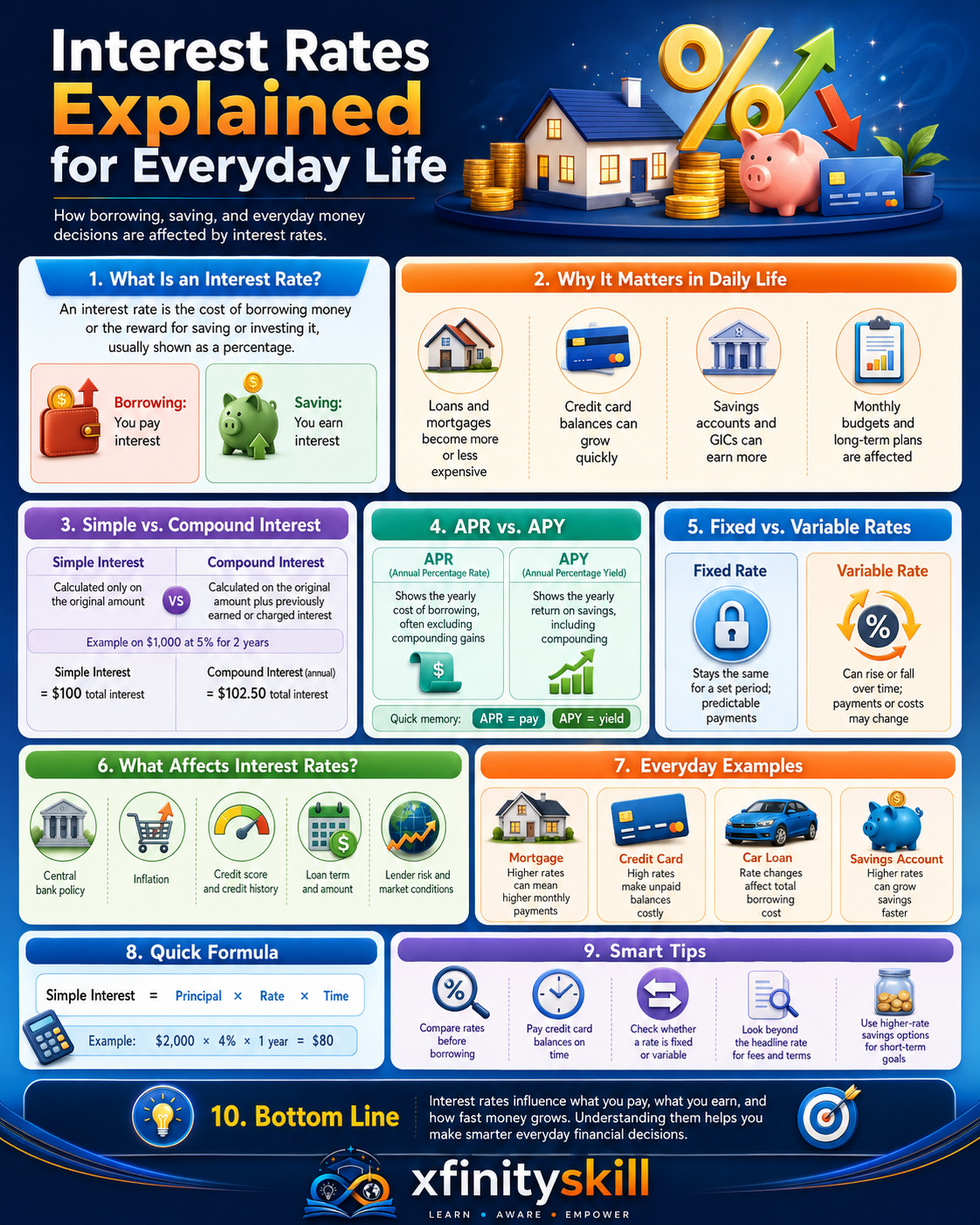
Interest rates are essentially the cost of borrowing money or the reward for saving it. When you take out a loan, the lender charges you interest as a fee for the service of lending you money. Conversely, when you deposit money in a savings account, the bank pays you interest for allowing them to use your funds.
There are two main types of interest rates: fixed and variable.
- Fixed Interest Rates: These remain constant throughout the life of the loan or investment. This predictability can be beneficial for budgeting, as you know exactly how much you will pay or earn over time.
- Variable Interest Rates: These can fluctuate based on market conditions. While they may start lower than fixed rates, they can increase, leading to higher payments or lower returns.
Interest rates are influenced by various factors, including inflation, economic growth, and central bank policies. For example, when the economy is growing, central banks may raise interest rates to prevent inflation. Conversely, during economic downturns, they may lower rates to encourage borrowing and spending.
For everyday consumers, understanding interest rates can help in several ways:
- Loans and Mortgages: Knowing how interest rates affect your monthly payments can help you choose the right loan. A lower interest rate can save you thousands over the life of a mortgage.
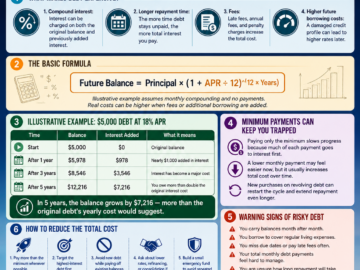
- Credit Cards: Credit cards often come with high-interest rates. Understanding these rates can help you manage debt more effectively and avoid costly interest charges.
- Savings Accounts: Higher interest rates on savings accounts can lead to more significant earnings over time. Shopping around for the best rates can maximize your savings.
- Investments: Interest rates can impact the stock market and other investments. For instance, rising rates may lead to lower stock prices, while falling rates can boost them.
In summary, interest rates are a fundamental aspect of personal finance that affects borrowing, saving, and investing. By staying informed about how they work and their current trends, you can make smarter financial choices that align with your goals.