The Real Cost of Debt Over Time
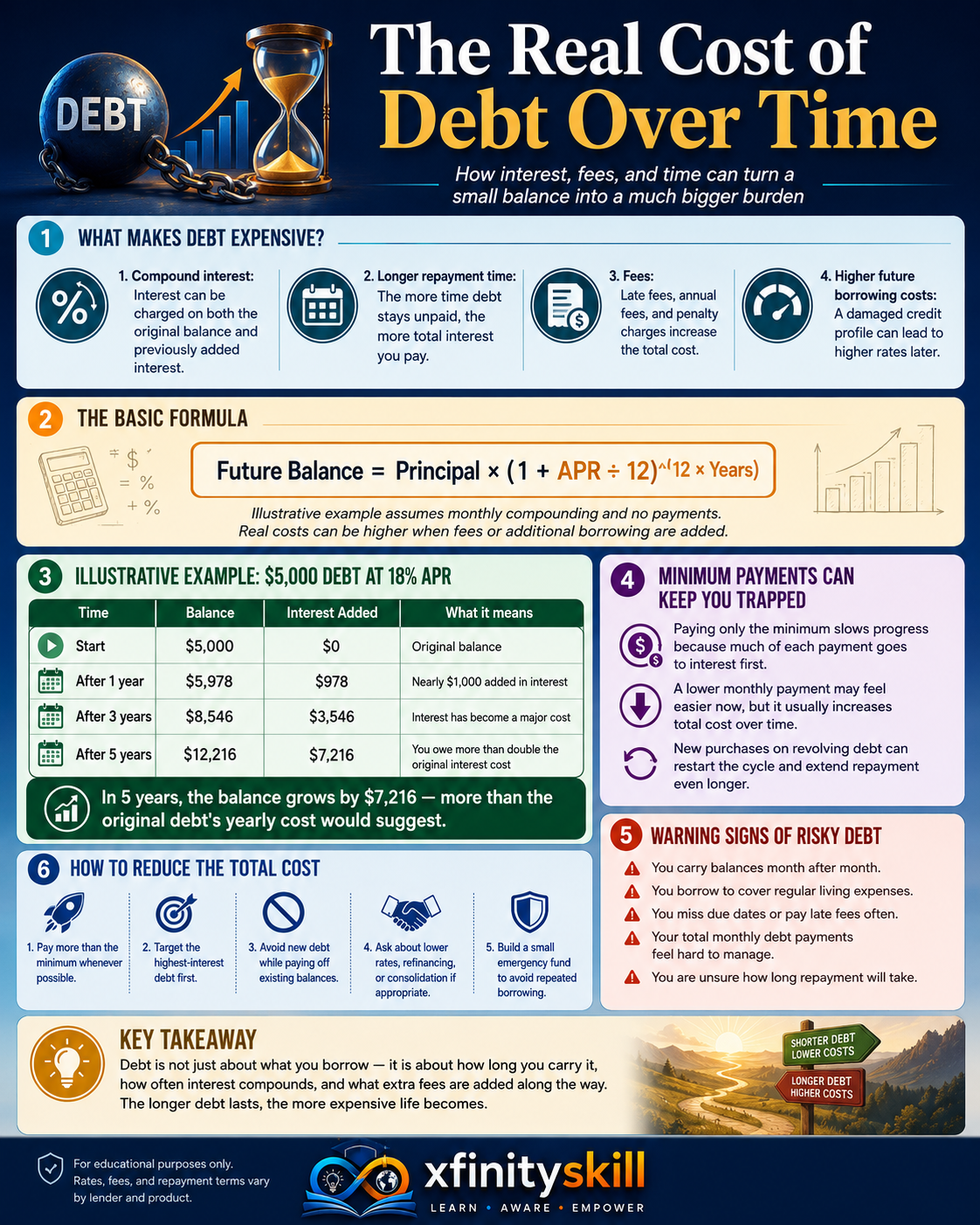
Debt can be a useful financial tool, but understanding its true cost over time is crucial for making informed decisions. The real cost of debt encompasses not just the interest payments, but also the long-term implications on financial health and economic stability.
One of the primary factors to consider is the interest rate. Higher interest rates can significantly increase the total amount paid over the life of a loan. For example, a loan of $10,000 at a 5% interest rate over ten years will cost approximately $12,500 when factoring in interest. Conversely, a loan at 10% could balloon to nearly $16,000. This illustrates how even a small difference in interest rates can lead to substantial differences in total repayment amounts.
Inflation also plays a critical role in the real cost of debt. As inflation rises, the purchasing power of money decreases. This means that while the nominal value of debt remains the same, its real value diminishes over time. For instance, if inflation averages 3% per year, a $10,000 debt today may feel like only $7,000 in ten years. Thus, borrowers may find that their debt becomes easier to manage in real terms, but this can also lead to complacency in repayment strategies.
Moreover, the opportunity cost of debt should not be overlooked. Money spent on servicing debt could have been invested elsewhere, potentially yielding returns. For example, if an individual spends $500 monthly on debt repayments, that money could have been invested in a retirement account or other assets, which could grow significantly over time. This lost potential can be a hidden cost of debt that impacts long-term financial goals.
Additionally, the psychological impact of debt can affect decision-making and overall well-being. Carrying debt can lead to stress and anxiety, which may influence spending habits and financial planning. Understanding the emotional toll of debt is essential for maintaining a healthy financial mindset.
In conclusion, the real cost of debt over time is multifaceted, involving interest rates, inflation, opportunity costs, and psychological factors. By comprehensively assessing these elements, individuals can make better financial decisions and develop effective strategies for managing debt.