AI Ethics for Everyday Users
In today’s digital landscape, artificial intelligence (AI) is becoming an integral part of our daily lives. From virtual assistants to personalized recommendations, AI technologies are designed to enhance our experiences. However, with great power comes great responsibility, and understanding AI ethics is crucial for everyday users.
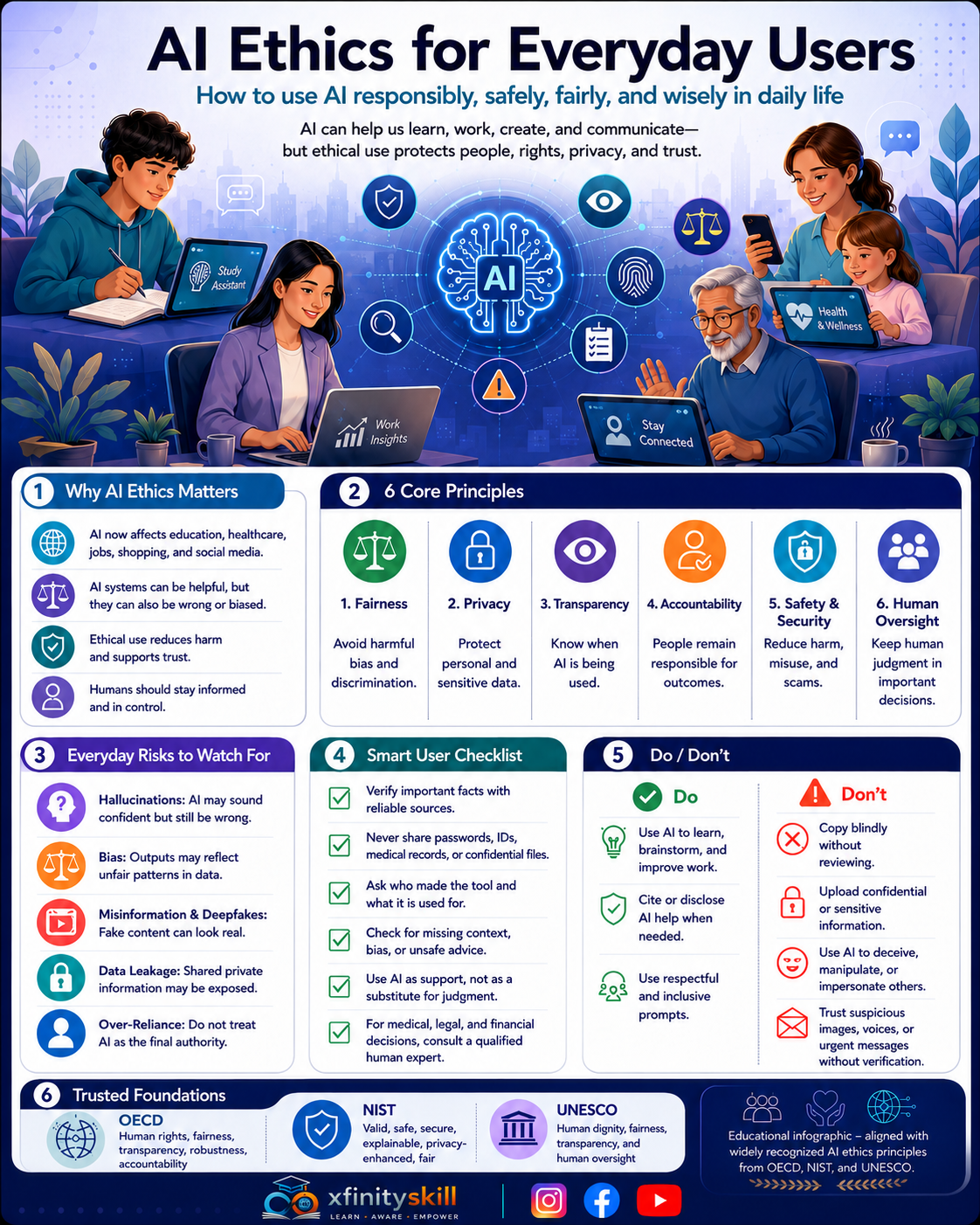
One of the primary ethical considerations is privacy. As AI systems collect and analyze vast amounts of personal data, users must be aware of how their information is being used. It’s essential to read privacy policies and understand the implications of sharing data with AI applications. Users should also be proactive in managing their privacy settings to protect their information.
Another important aspect is transparency. Users should seek out AI tools that provide clear explanations of how they work. This includes understanding the algorithms behind recommendations and decisions. When users are informed about the processes, they can make better choices and trust the technology more.
Bias is another critical issue in AI ethics. AI systems can inadvertently perpetuate existing biases present in the data they are trained on. Everyday users should be aware that not all AI outputs are neutral and should approach AI-generated content with a critical eye. Engaging with diverse sources and perspectives can help mitigate the effects of bias.
Moreover, users should consider the impact of AI on society. As AI continues to evolve, it can influence job markets, education, and social interactions. Being mindful of these changes and advocating for ethical AI practices can contribute to a more equitable future.
Lastly, users should embrace the concept of responsibility. Engaging with AI ethically means being accountable for how we use these technologies. This includes reporting harmful content, providing feedback to developers, and supporting initiatives that promote ethical AI development.
By understanding these key principles of AI ethics, everyday users can navigate the digital world more responsibly and contribute to a future where technology serves humanity positively.