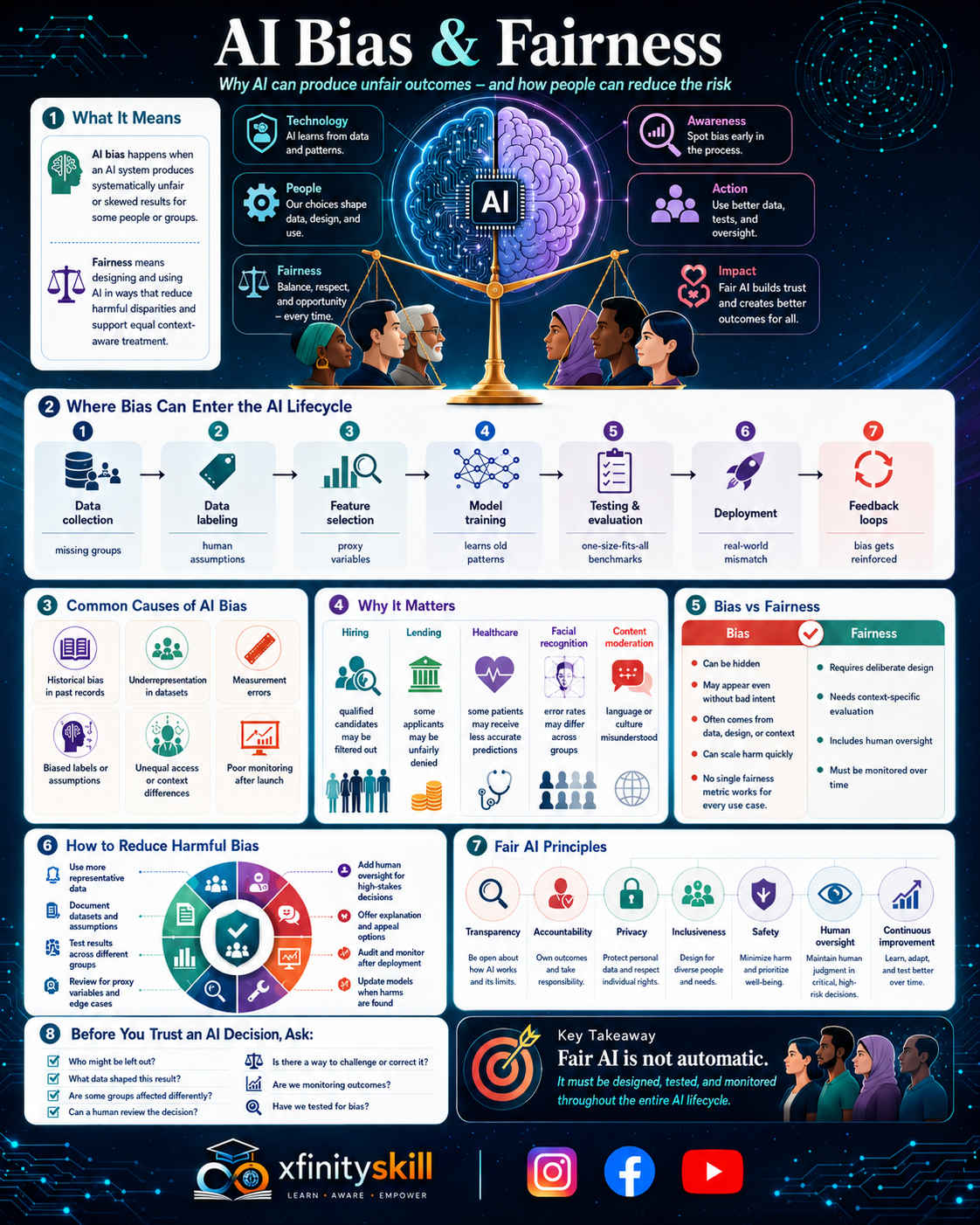
AI Bias & Fairness
Artificial Intelligence (AI) has the potential to transform industries and improve lives, but it also raises significant concerns regarding bias and fairness. AI systems learn from vast amounts of data, and if that data contains biases, the AI can inadvertently perpetuate or even amplify those biases in its decision-making processes.
Bias in AI can manifest in various ways, including:
- Data Bias: If the training data is not representative of the population it serves, the AI may produce skewed results. For example, facial recognition systems have shown higher error rates for individuals with darker skin tones due to underrepresentation in training datasets.
- Algorithmic Bias: The algorithms themselves can introduce bias based on how they are designed. Certain algorithms may favor specific outcomes or demographics, leading to unfair treatment of others.
- Human Bias: AI systems are often developed by teams of people who may unconsciously embed their own biases into the technology. This can affect everything from the data selection process to the interpretation of results.
To address these issues, it is crucial to implement strategies that promote fairness in AI:
- Diverse Data Collection: Ensuring that training datasets are diverse and representative of all demographics can help mitigate data bias.
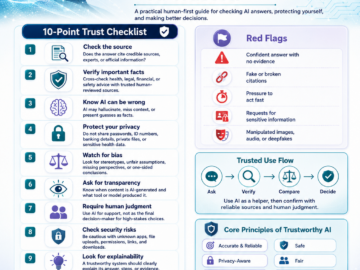
- Bias Audits: Regularly auditing AI systems for bias can help identify and rectify issues before they lead to harmful outcomes.
- Transparency: Making AI algorithms and their decision-making processes transparent allows for greater scrutiny and accountability.
- Inclusive Development Teams: Building diverse teams of developers can help bring different perspectives to the table, reducing the risk of human bias.
- Ethical Guidelines: Establishing ethical frameworks for AI development can guide practitioners in creating fair and unbiased systems.
In conclusion, while AI holds great promise, it is essential to remain vigilant about bias and fairness. By taking proactive steps to address these challenges, we can harness the power of AI responsibly and equitably, ensuring that it serves all members of society fairly.