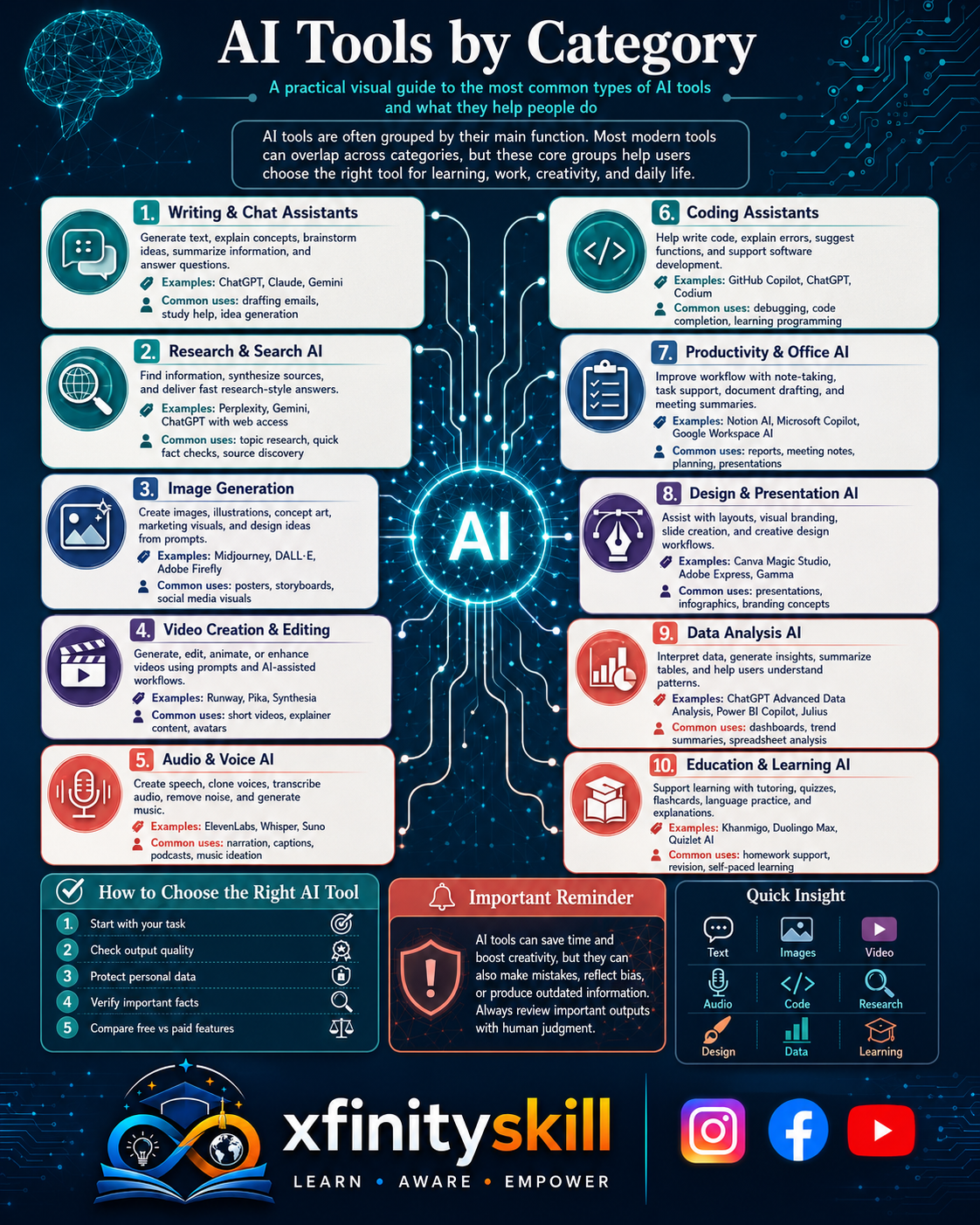
AI tools have revolutionized various industries by enhancing productivity, creativity, and decision-making. Here’s a breakdown of AI tools categorized by their primary functions:
1. Natural Language Processing (NLP) Tools
- Chatbots: Tools like ChatGPT and Dialogflow help businesses automate customer service and engage users in real-time conversations.
- Text Analysis: Tools such as MonkeyLearn and TextRazor analyze text data for sentiment, keywords, and trends, aiding in market research and content creation.
2. Machine Learning Platforms
- Data Science Frameworks: TensorFlow and PyTorch provide robust environments for building and training machine learning models, suitable for developers and researchers.
- AutoML Tools: Platforms like Google Cloud AutoML and H2O.ai simplify the model-building process, allowing users with minimal coding experience to create effective machine learning models.
3. Computer Vision Tools
- Image Recognition: Tools such as Amazon Rekognition and Google Vision API enable applications to identify objects, faces, and scenes in images, useful in security and retail.
- Video Analysis: Tools like OpenCV and DeepAI help analyze video content for various applications, including surveillance and content moderation.
4. Robotic Process Automation (RPA)
- Automation Software: UiPath and Automation Anywhere allow businesses to automate repetitive tasks, improving efficiency and reducing human error in processes like data entry and invoice processing.
5. AI for Creative Work
- Content Generation: Tools like Jasper and Writesonic assist in generating written content, from blog posts to marketing copy, using AI-driven algorithms.
- Design Tools: Canva and Adobe Sensei leverage AI to enhance graphic design, offering features like automatic layout suggestions and image enhancements.
6. AI in Analytics
- Business Intelligence: Tools like Tableau and Power BI incorporate AI to provide insights from data, enabling better decision-making through predictive analytics and data visualization.
- Customer Insights: Platforms such as Salesforce Einstein analyze customer data to provide personalized recommendations and improve customer engagement strategies.
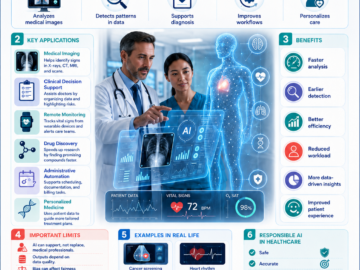
7. AI in Healthcare
- Diagnostic Tools: AI tools like IBM Watson Health assist in diagnosing diseases by analyzing medical data and providing treatment recommendations.
- Patient Management: Tools such as Zocdoc and HealthTap use AI to streamline patient scheduling and improve healthcare delivery.
8. AI in Finance
- Fraud Detection: Tools like FICO and SAS use machine learning algorithms to identify fraudulent transactions and reduce financial risks.
- Algorithmic Trading: Platforms such as QuantConnect and Alpaca enable traders to use AI algorithms for making informed trading decisions based on market data.
Conclusion
The landscape of AI tools is vast and continually evolving, with applications across various sectors. By categorizing these tools, businesses and individuals can better understand their options and leverage AI to enhance their operations and creativity.