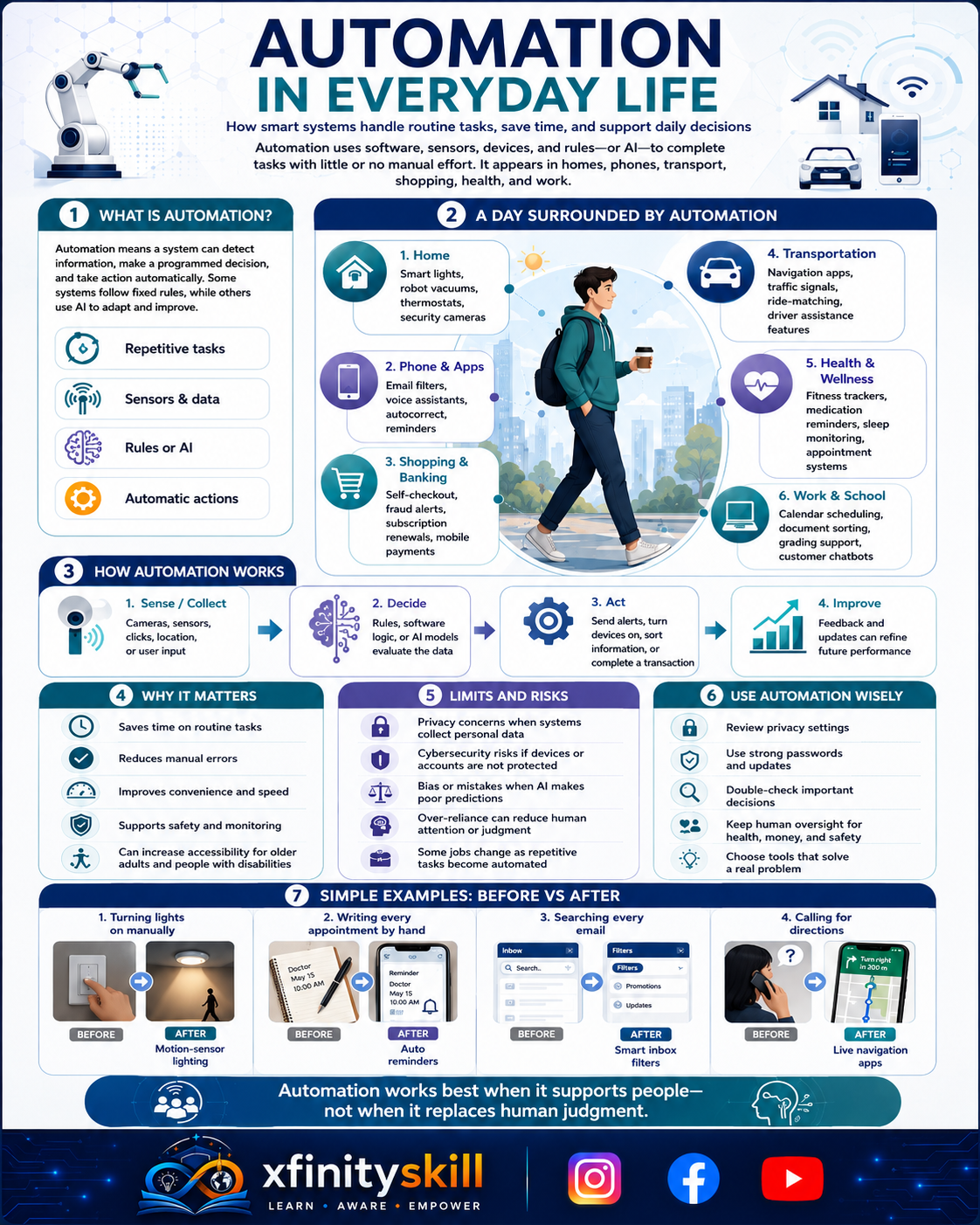
Automation in Everyday Life
Automation has become an integral part of our daily routines, transforming how we live, work, and interact with the world around us. From smart home devices to advanced manufacturing processes, automation enhances efficiency and convenience in various aspects of life.
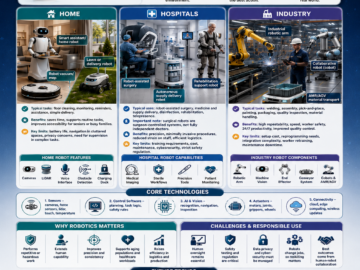
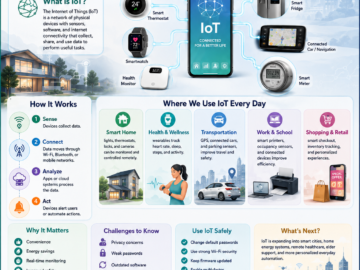
One of the most visible forms of automation is in our homes. Smart thermostats, lighting systems, and security cameras allow us to control our environments with ease. For instance, a smart thermostat can learn our schedules and adjust temperatures accordingly, saving energy and ensuring comfort. Similarly, smart speakers can manage tasks, play music, and even control other smart devices, making our lives more streamlined.
In the workplace, automation is revolutionizing productivity. Tasks that once required significant human effort, such as data entry and inventory management, can now be handled by software and robots. This not only reduces the likelihood of errors but also frees up employees to focus on more strategic and creative tasks. For example, automated customer service chatbots can handle inquiries 24/7, providing instant responses and improving customer satisfaction.
Transportation is another area where automation is making waves. The rise of autonomous vehicles promises to change how we commute, potentially reducing traffic accidents and improving efficiency on the roads. Ride-sharing apps also utilize automation to connect drivers and passengers seamlessly, optimizing routes and reducing wait times.
Moreover, automation extends to our personal lives through applications that help us manage our health and wellness. Fitness trackers and health monitoring devices provide insights into our physical activity and vital signs, encouraging healthier lifestyles. Automated meal planning apps can suggest recipes based on dietary preferences and even create shopping lists, simplifying meal preparation.
However, the rise of automation also brings challenges. Concerns about job displacement and the need for new skills in the workforce are prevalent. As machines take over repetitive tasks, there is a growing emphasis on education and training to prepare individuals for the jobs of the future.
In conclusion, automation is reshaping our everyday lives in profound ways. While it offers numerous benefits in terms of efficiency and convenience, it also requires us to adapt and evolve. Embracing automation can lead to a more productive and enjoyable life, but it is essential to navigate the accompanying challenges thoughtfully.