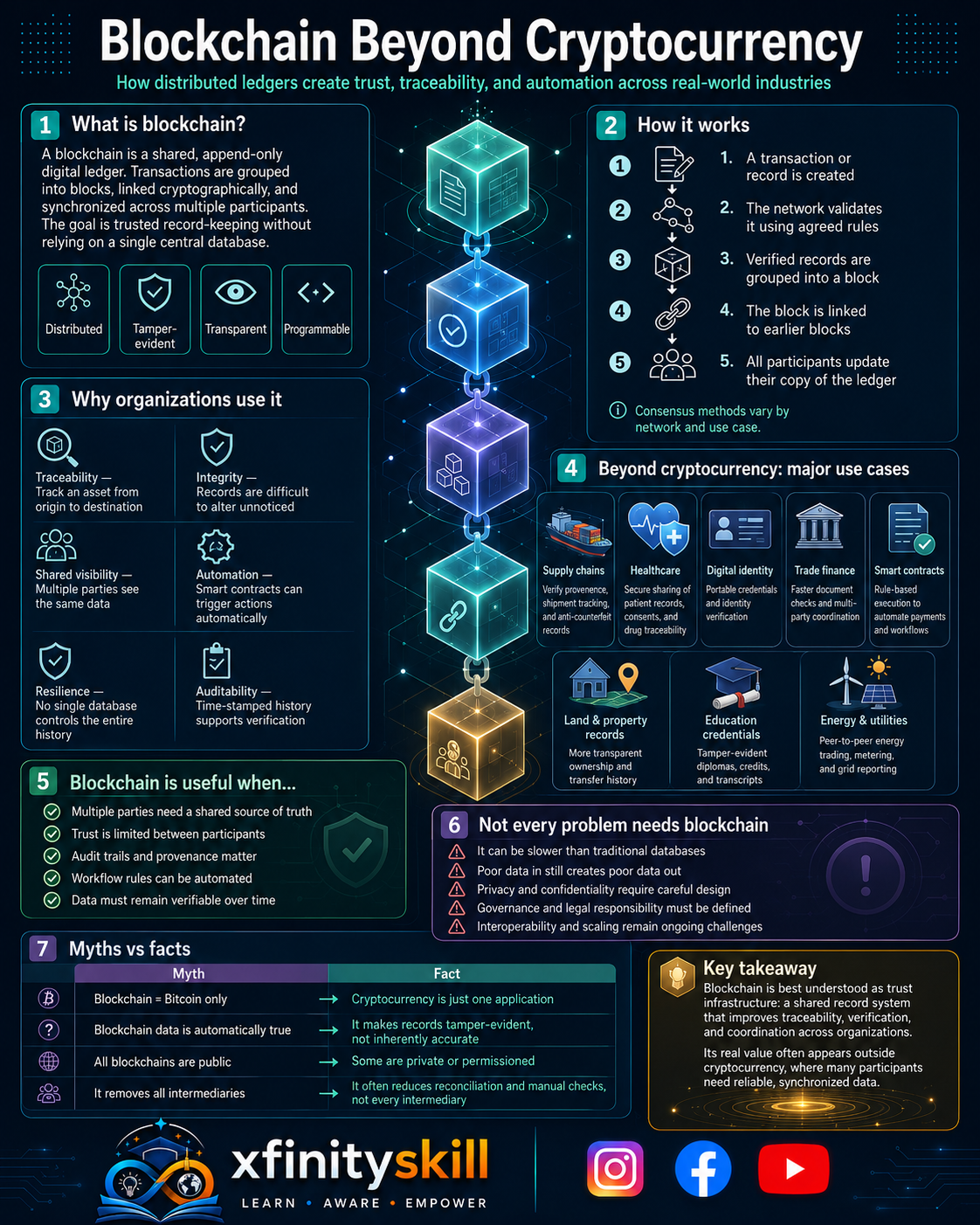
Blockchain technology has evolved far beyond its initial association with cryptocurrency. While Bitcoin and other digital currencies were the first to showcase the potential of blockchain, the underlying technology has found applications across various industries, revolutionizing processes and enhancing security.
One of the most significant areas where blockchain is making an impact is supply chain management. By providing a transparent and immutable ledger, blockchain allows all parties involved in the supply chain to track products in real-time. This transparency helps reduce fraud, improve efficiency, and ensure product authenticity. Companies can trace the origin of goods, monitor their journey, and verify compliance with regulations, ultimately leading to increased consumer trust.
In the realm of healthcare, blockchain is being utilized to secure patient data and streamline medical records. By enabling a decentralized system, patients can have greater control over their health information, granting access only to authorized parties. This not only enhances privacy but also facilitates better coordination among healthcare providers, leading to improved patient outcomes.
Moreover, blockchain is transforming the way we approach digital identity. Traditional identity verification methods can be cumbersome and prone to fraud. With blockchain, individuals can create a secure digital identity that is easily verifiable without the need for centralized authorities. This innovation has the potential to empower individuals, especially in regions where access to identification is limited.
The financial sector is also exploring blockchain for applications beyond cryptocurrencies. Smart contracts, which are self-executing contracts with the terms of the agreement directly written into code, are gaining traction. These contracts can automate processes, reduce the need for intermediaries, and enhance transaction efficiency, making them attractive for various financial services.
Additionally, blockchain is being leveraged in voting systems to ensure transparency and security. By recording votes on a blockchain, the integrity of the electoral process can be maintained, reducing the risk of tampering and increasing public confidence in democratic systems.
In conclusion, blockchain technology is proving to be a versatile tool with the potential to disrupt numerous industries. Its ability to provide transparency, security, and efficiency makes it a valuable asset in addressing some of the most pressing challenges faced by businesses and society today. As we continue to explore its capabilities, the future of blockchain looks promising, paving the way for innovative solutions that extend far beyond cryptocurrency.