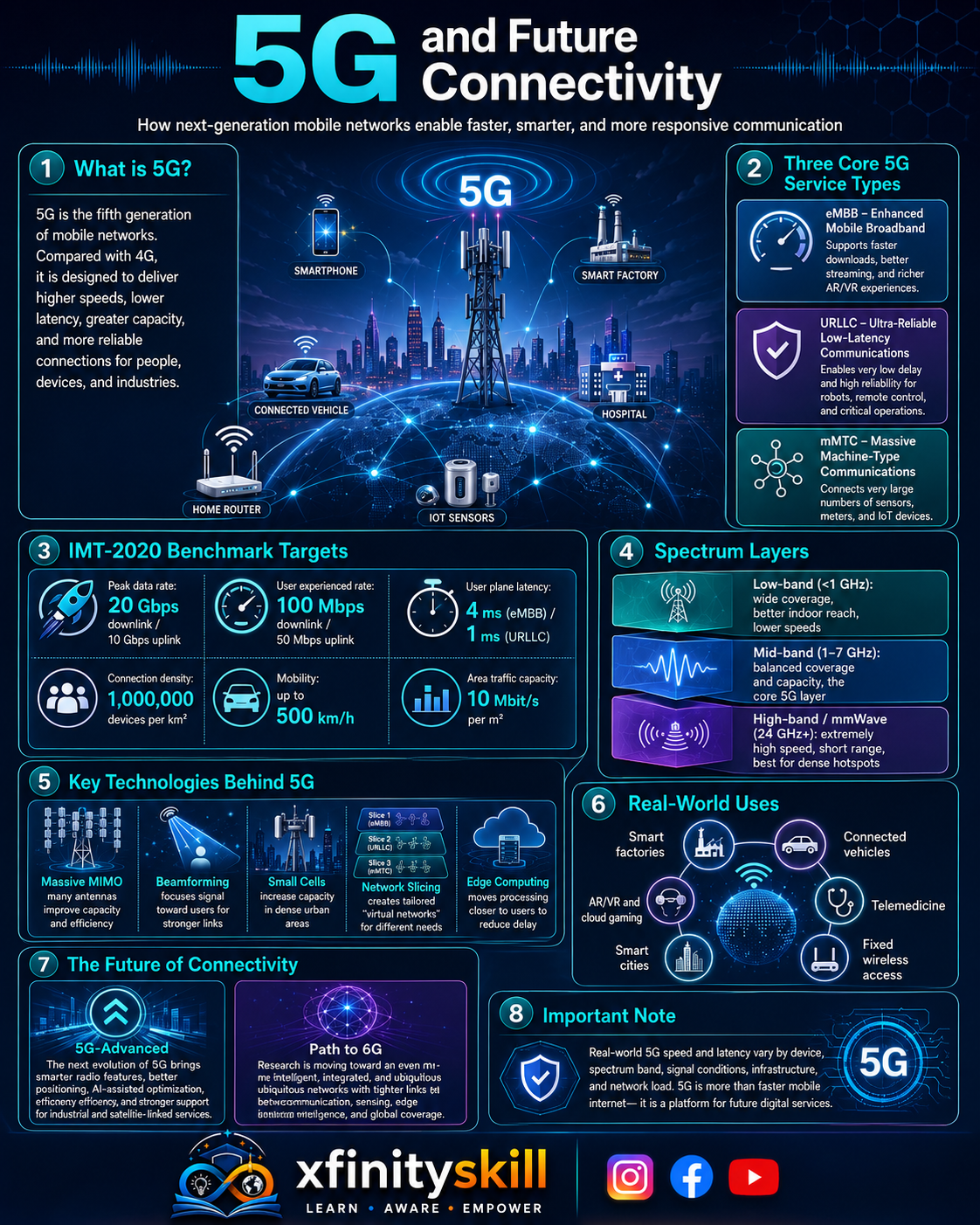
5G and Future Connectivity
The advent of 5G technology marks a significant leap in mobile connectivity, promising faster speeds, lower latency, and the ability to connect a vast number of devices simultaneously. This next-generation network is not just about enhancing mobile internet for smartphones; it is set to revolutionize various sectors, including healthcare, transportation, and smart cities.
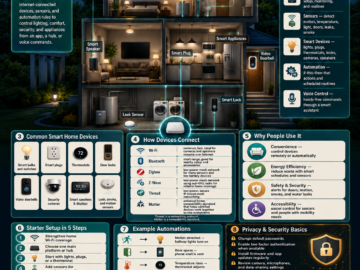
One of the most exciting aspects of 5G is its potential to enable the Internet of Things (IoT) on a massive scale. With billions of devices expected to be connected, 5G will facilitate seamless communication between everything from smart home appliances to industrial machinery. This connectivity will lead to smarter cities, where traffic systems can optimize flow in real-time, and energy grids can manage consumption more efficiently.
Moreover, 5G’s ultra-reliable low-latency communication (URLLC) will transform industries that rely on real-time data. For instance, in healthcare, remote surgeries could become a reality, allowing specialists to operate on patients from miles away with precision and safety. In the automotive sector, 5G will support the development of autonomous vehicles, enabling them to communicate with each other and their environment to enhance safety and efficiency.
As we look to the future, the implications of 5G extend beyond mere connectivity. It will drive innovation, create new business models, and enhance user experiences across the board. However, the rollout of 5G also presents challenges, including the need for substantial infrastructure investment and addressing security concerns associated with increased connectivity.
In conclusion, 5G is not just a technological upgrade; it is a catalyst for a connected future. As we embrace this new era of connectivity, the possibilities are endless, paving the way for advancements that will shape our lives in ways we are only beginning to imagine.