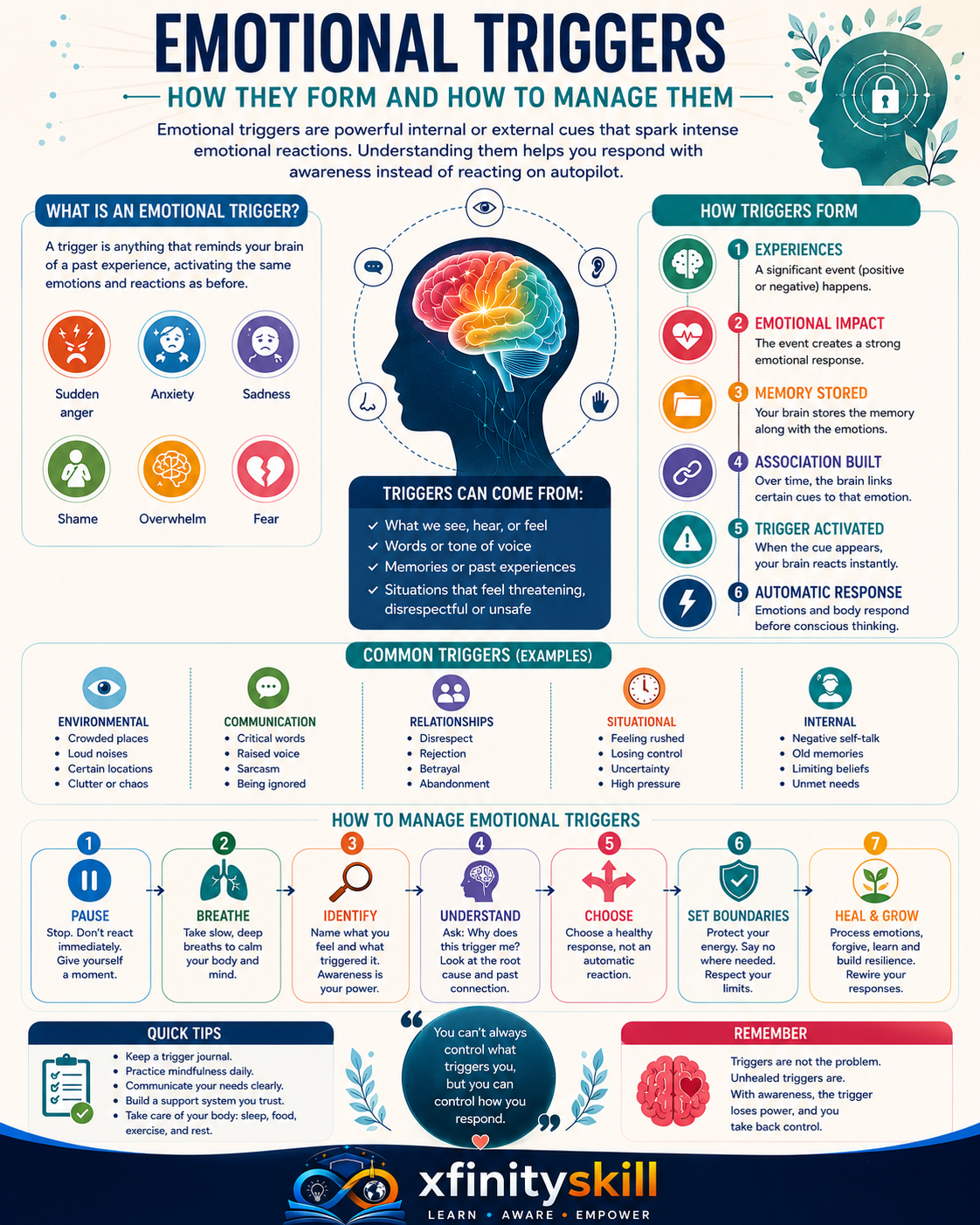
Emotional triggers are often rooted in past experiences, memories, or associations that evoke strong emotional responses. Understanding how they form is crucial for managing them effectively. Here are some key points to consider:
- Origins of Emotional Triggers:
- Past Experiences: Many triggers stem from significant events in our lives, such as trauma or loss.
- Learned Behaviors: Repeated exposure to certain situations can condition us to react emotionally.
- Cultural Influences: Societal norms and values can shape what we find triggering.
- Identifying Your Triggers:
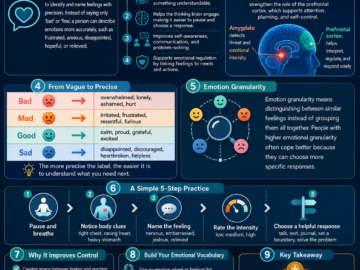
- Self-Reflection: Take time to reflect on situations that provoke strong emotions.
- Journaling: Keeping a journal can help track patterns and identify triggers over time.
- Feedback from Others: Sometimes, friends or family can provide insights into your emotional responses.
- Managing Emotional Triggers:
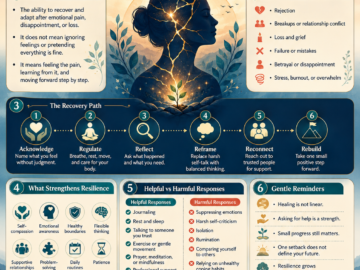
- Mindfulness Practices: Techniques such as meditation can help you stay grounded when faced with triggers.
- Cognitive Behavioral Techniques: Challenge negative thoughts associated with triggers to reduce their impact.
- Develop Coping Strategies: Create a toolkit of strategies that work for you, such as deep breathing or taking a break.
- Seeking Professional Help:
- If triggers significantly impact your life, consider speaking with a therapist. They can provide tailored strategies and support.
By understanding and managing emotional triggers, you can cultivate a healthier emotional landscape and improve your overall well-being.