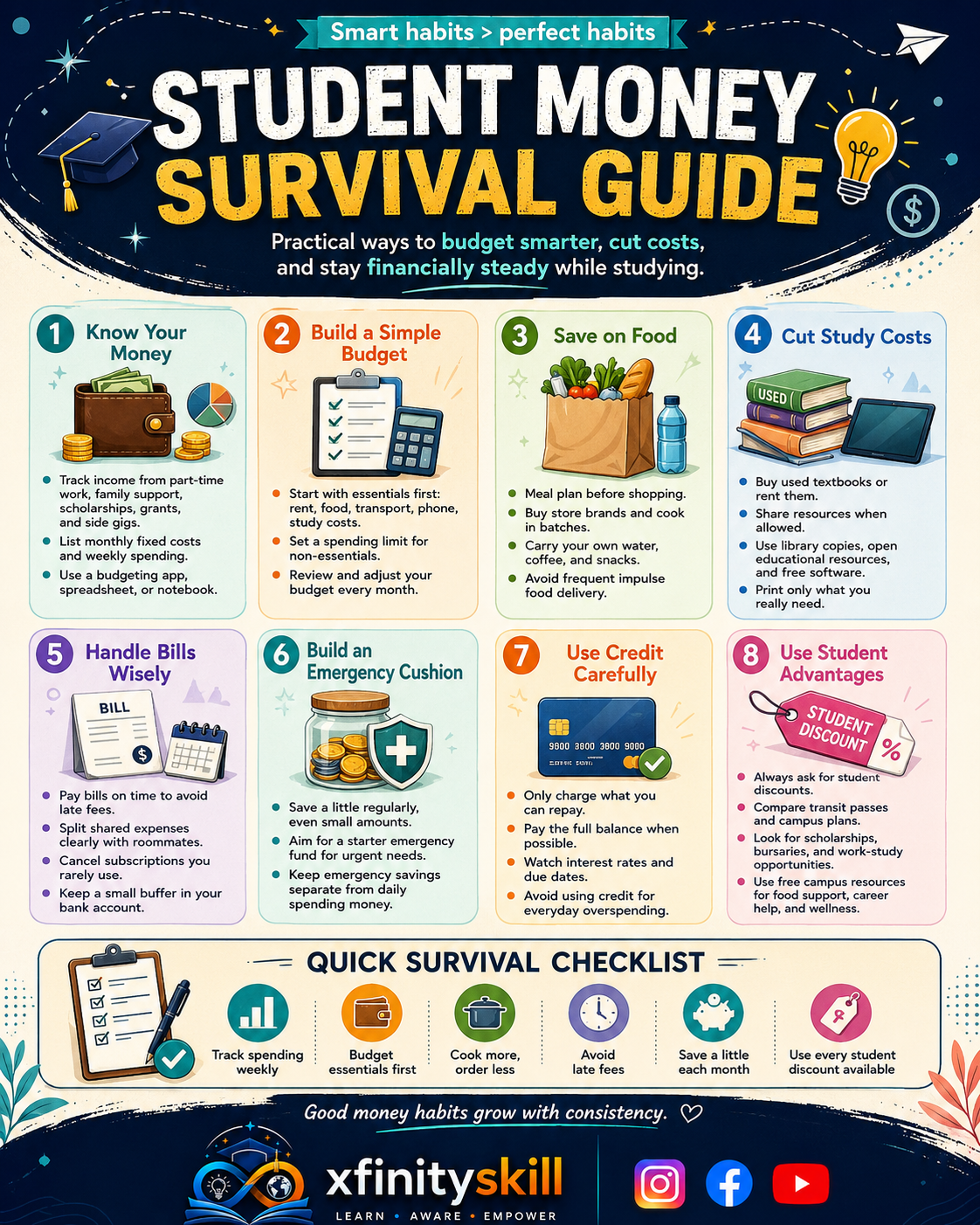
Navigating the financial landscape as a student can be challenging, but with the right strategies, you can make your money stretch further. Here’s a comprehensive guide to help you manage your finances effectively during your studies.
Budgeting Basics
Creating a budget is the first step in managing your finances. Start by tracking your income and expenses.
- Income Sources: Include part-time jobs, scholarships, and parental support.
- Fixed Expenses: Rent, utilities, and tuition fees.
- Variable Expenses: Food, transportation, and entertainment.
Use budgeting apps or spreadsheets to keep everything organized. Aim to allocate a specific amount for each category and stick to it.
Smart Spending Tips
- Prioritize Needs Over Wants: Focus on essential expenses like textbooks and groceries before splurging on entertainment.
- Take Advantage of Student Discounts: Many businesses offer discounts for students. Always ask if a student rate is available.
- Buy or Rent Used Textbooks: Textbooks can be a significant expense. Consider buying used books or renting them to save money.
- Cook at Home: Eating out can quickly drain your budget. Learn to cook simple meals and meal prep to save time and money.
Finding Additional Income
If your budget is tight, consider ways to increase your income:
- Part-Time Jobs: Look for flexible jobs that accommodate your class schedule.
- Freelancing: Use your skills (writing, graphic design, tutoring) to earn extra cash.
- Internships: Some internships offer stipends or hourly pay, providing valuable experience and income.
Managing Debt Wisely
If you need to take out loans, be strategic:
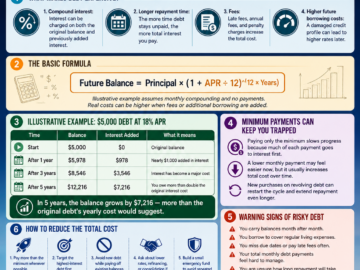
- Understand Your Loans: Know the difference between federal and private loans, and the terms associated with each.
- Borrow Only What You Need: Avoid taking out more than necessary to minimize future debt.
Saving for the Future
Even as a student, it’s important to start saving:
- Emergency Fund: Aim to save at least $500 for unexpected expenses.
- Savings Accounts: Consider opening a high-yield savings account to earn interest on your savings.
Financial Literacy Resources
Educate yourself about personal finance through reliable resources:
- Books: Look for titles focused on student finance.
- Online Courses: Websites like Coursera and Khan Academy offer free courses on budgeting and financial management.
- Workshops: Many universities provide workshops on financial literacy.
By implementing these strategies, you can navigate your financial journey as a student with confidence. Remember, the habits you develop now will serve you well in the future.