Green technology and sustainable computing are essential components in the fight against climate change and environmental degradation. As we become increasingly reliant on technology, it is crucial to ensure that our digital advancements do not come at the expense of our planet.
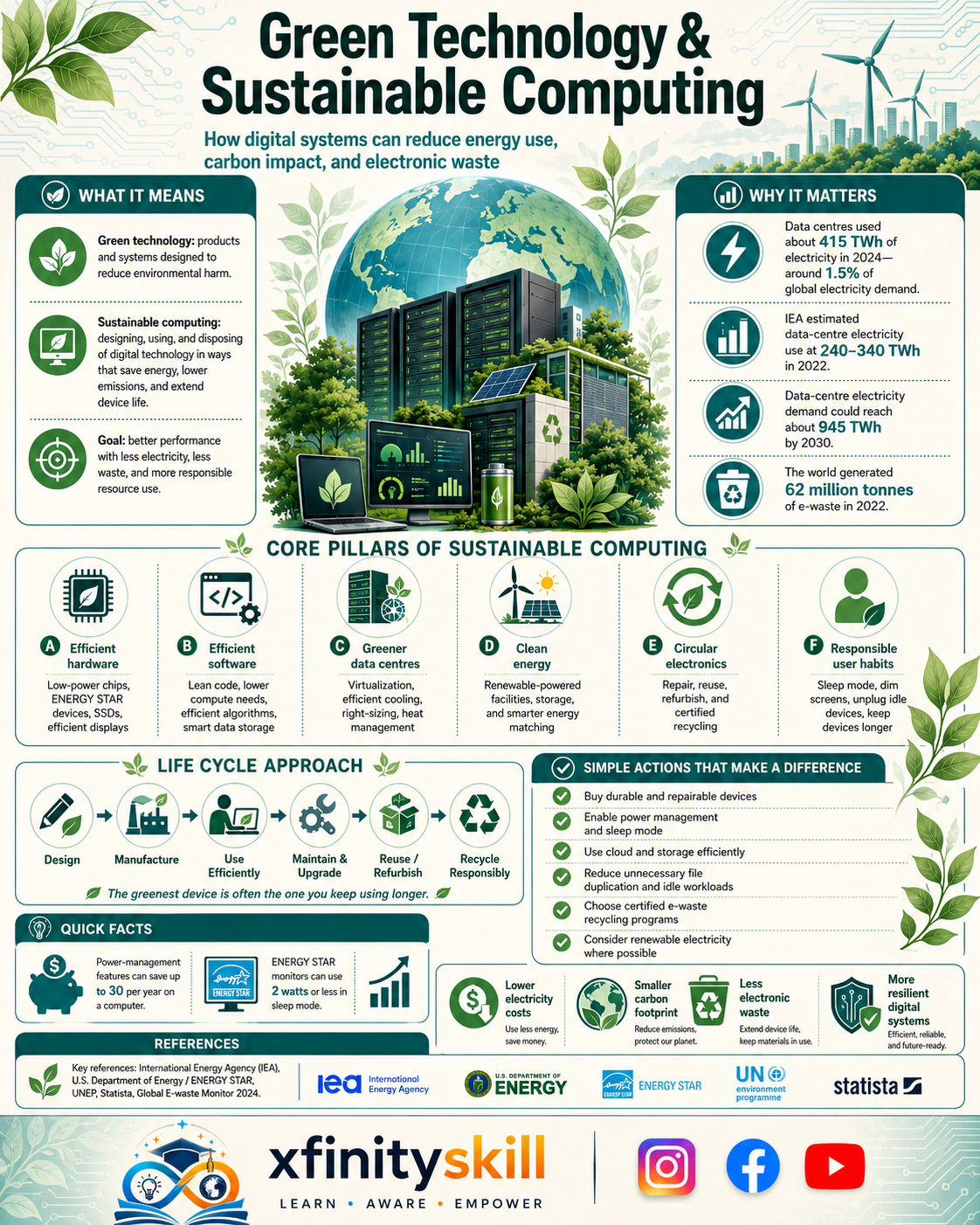
Green technology refers to the use of technology that is environmentally friendly and aims to reduce carbon footprints. This includes renewable energy sources such as solar, wind, and hydroelectric power, which provide cleaner alternatives to fossil fuels. Innovations in energy-efficient appliances, electric vehicles, and sustainable building materials also fall under this umbrella, promoting a more sustainable lifestyle.
Sustainable computing, on the other hand, focuses on minimizing the environmental impact of computing processes. This encompasses energy-efficient data centers, eco-friendly hardware, and software designed to optimize resource usage. For instance, cloud computing can reduce energy consumption by consolidating resources and improving efficiency. Additionally, practices like virtualization and server consolidation help in reducing the number of physical machines required, thereby lowering energy use and waste.
Both green technology and sustainable computing emphasize the importance of recycling and responsible disposal of electronic waste. E-waste contains hazardous materials that can harm the environment if not disposed of properly. By promoting recycling programs and encouraging the use of biodegradable materials, we can mitigate the negative impacts of technology on our planet.
In conclusion, embracing green technology and sustainable computing is not just a trend; it is a necessity for a healthier planet. By integrating these practices into our daily lives and business operations, we can contribute to a more sustainable future for generations to come.