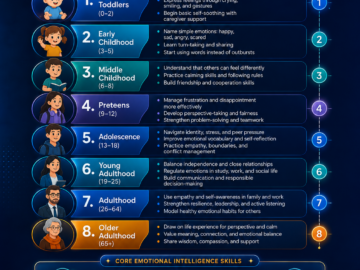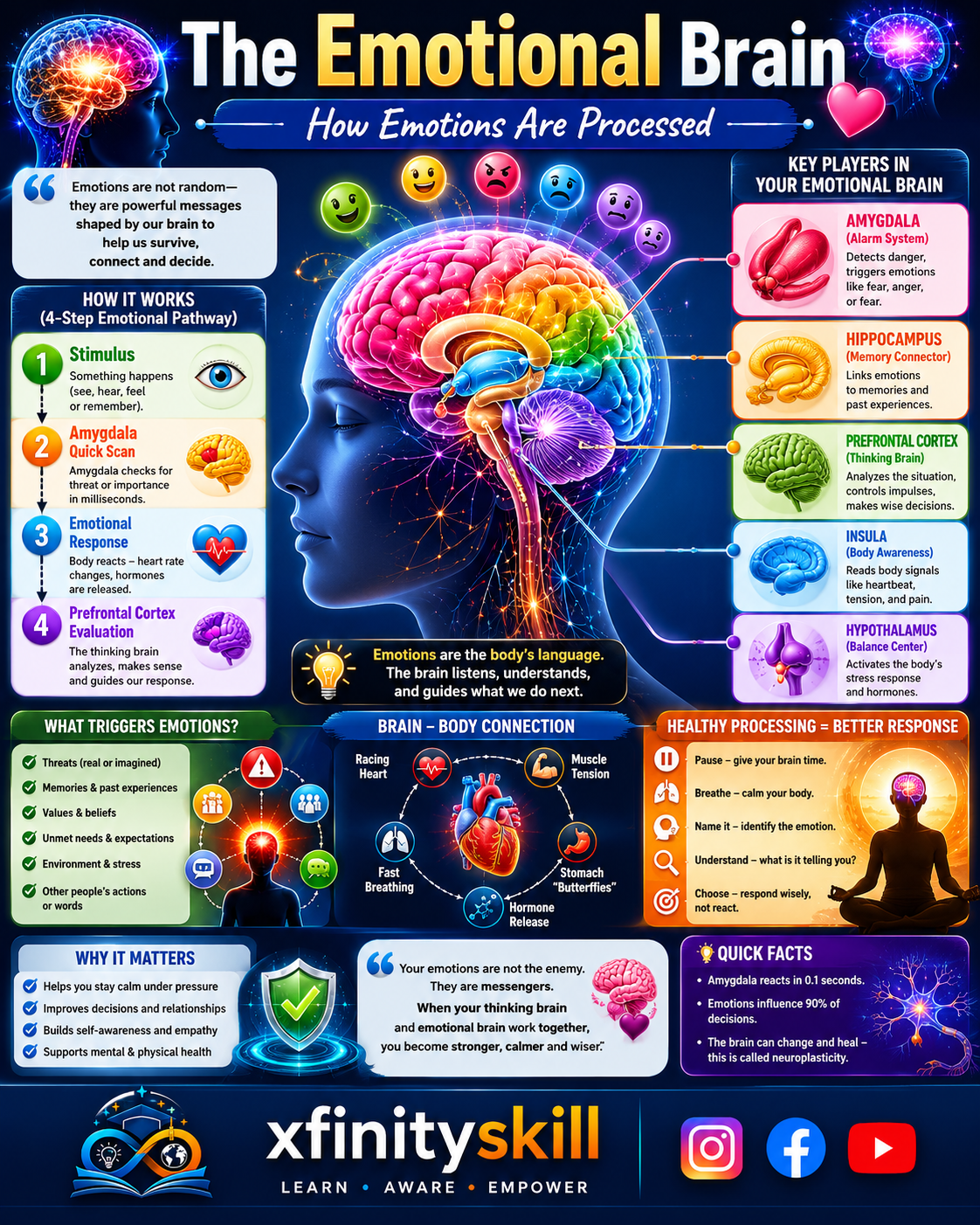
Emotions play a crucial role in our daily lives, influencing our thoughts, behaviors, and interactions. The emotional brain, primarily governed by the limbic system, processes feelings and responses to stimuli.
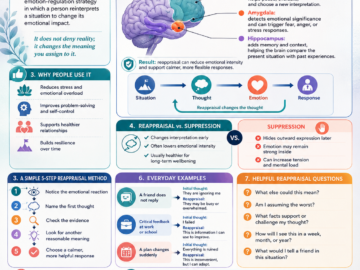
When we encounter a situation, our brain quickly assesses it, triggering emotional responses that can be immediate and instinctual. This process involves several key components:
- Amygdala: Often referred to as the emotional center, the amygdala evaluates threats and generates fear responses, helping us react swiftly to danger.
- Hippocampus: This area is essential for forming memories and contextualizing emotions. It helps us recall past experiences, which can influence our current emotional reactions.
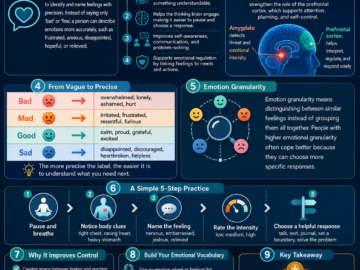
- Prefrontal Cortex: Responsible for higher-order thinking, this region helps regulate emotions, allowing us to make rational decisions even in emotionally charged situations.
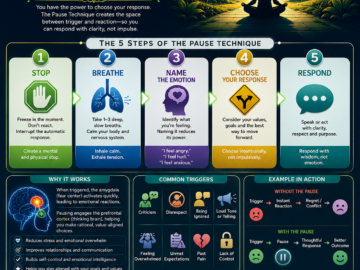
Understanding how these components interact can enhance our emotional intelligence, leading to better relationships and improved mental health. By recognizing our emotional triggers and responses, we can learn to manage our feelings more effectively, fostering resilience and well-being.
In summary, the emotional brain is a complex network that not only processes emotions but also shapes our experiences and interactions with the world around us.