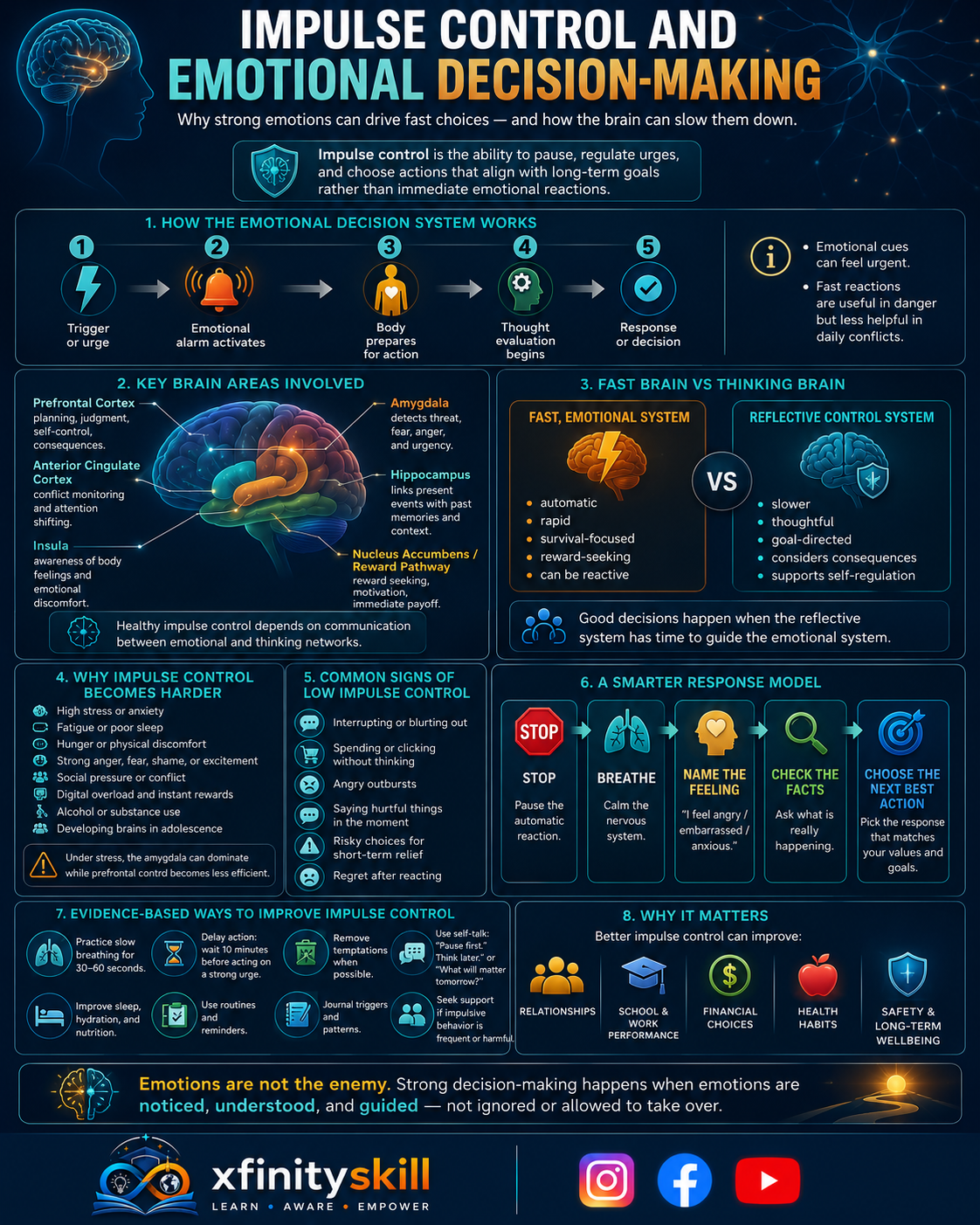
Impulse control and emotional decision-making are crucial aspects of human behavior that significantly influence our daily lives. Understanding these concepts can help us navigate our choices more effectively.
Impulse control refers to the ability to resist immediate temptations or urges in favor of long-term goals. It plays a vital role in decision-making, as it allows individuals to pause and consider the consequences of their actions. For instance, someone might feel the urge to indulge in unhealthy snacks but choose to stick to their diet plan instead. This ability to delay gratification is essential for achieving personal and professional objectives.
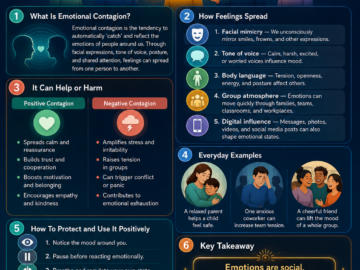
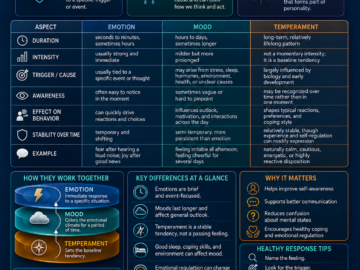
Emotional decision-making, on the other hand, involves making choices based on feelings rather than rational thought. While emotions can provide valuable insights, they can also cloud judgment. For example, a person might make a hasty decision during a moment of anger, leading to regret later. Recognizing when emotions are influencing decisions is key to improving overall decision-making skills.
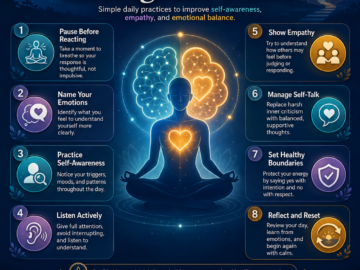
To enhance impulse control and emotional decision-making, individuals can adopt several strategies:
- Mindfulness Practices: Engaging in mindfulness techniques, such as meditation or deep breathing, can help individuals become more aware of their impulses and emotions, allowing for better control.
- Setting Clear Goals: Defining specific, achievable goals can provide motivation to resist short-term temptations and focus on long-term success.
- Reflective Thinking: Taking time to reflect on past decisions can help individuals learn from their experiences and develop better decision-making habits.
- Seeking Support: Talking to friends, family, or professionals can provide valuable perspectives and help individuals process their emotions more effectively.
By improving impulse control and emotional decision-making, individuals can lead more balanced and fulfilling lives, making choices that align with their values and aspirations.