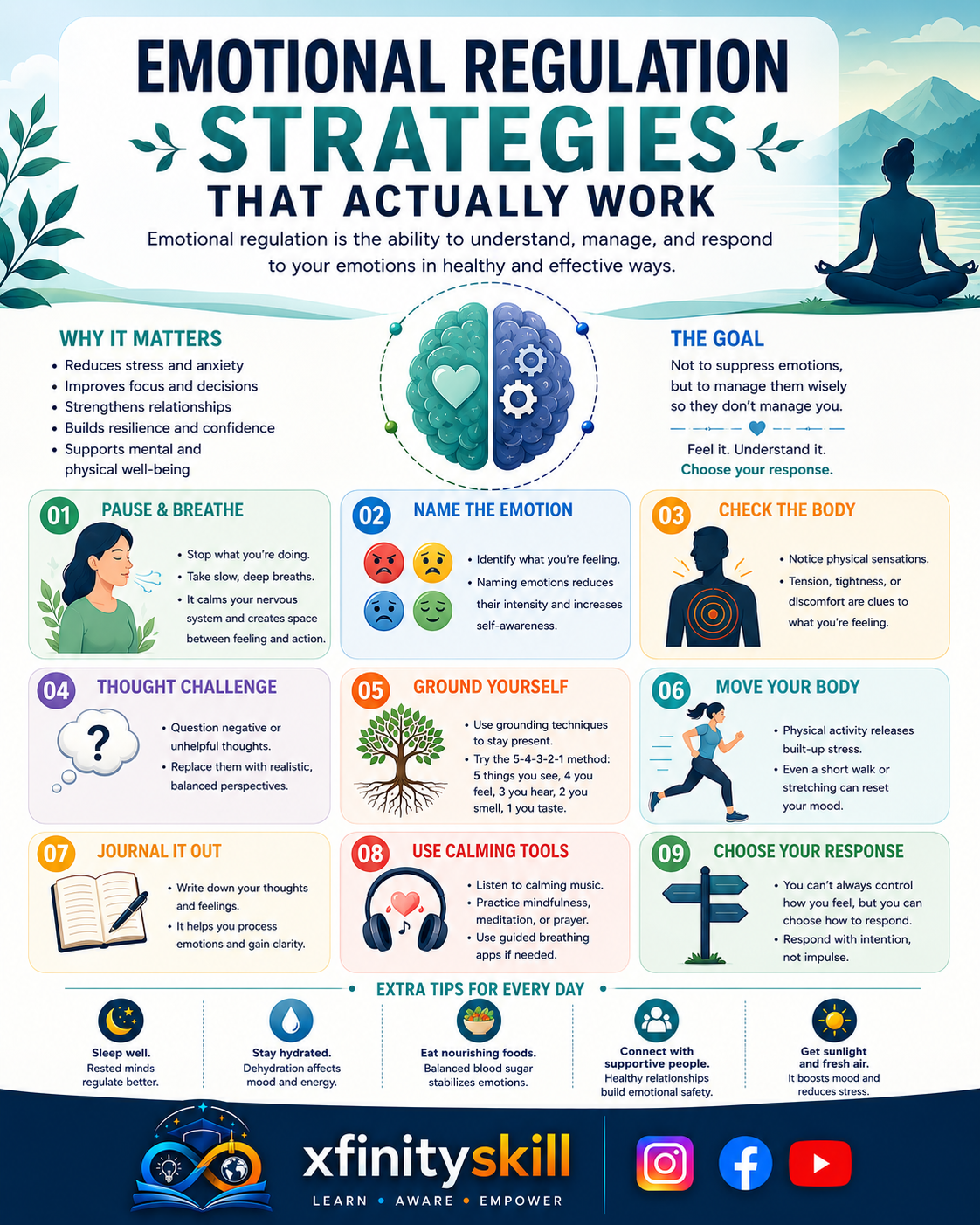
Emotional Regulation Strategies That Actually Work
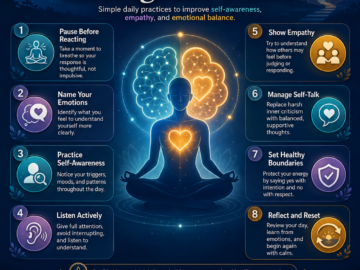
Emotional regulation is essential for maintaining mental well-being and navigating life’s challenges. Here are some effective strategies to help you manage your emotions more effectively:
- Mindfulness Meditation
Practicing mindfulness allows you to observe your thoughts and feelings without judgment. This can help you become more aware of your emotional triggers and respond to them calmly. - Deep Breathing Exercises
When emotions run high, take a moment to focus on your breath. Deep breathing can activate your body’s relaxation response, reducing stress and anxiety. - Cognitive Reframing
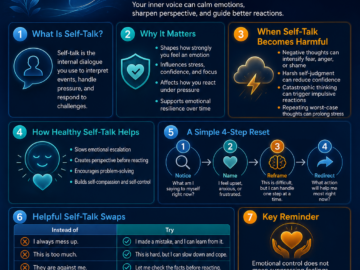
Challenge negative thoughts by reframing them into a more positive or realistic perspective. This shift in thinking can help you manage your emotional responses more effectively. - Journaling
Writing down your thoughts and feelings can provide clarity and insight. Journaling helps you process emotions and can serve as a healthy outlet for stress. - Physical Activity
Engaging in regular exercise releases endorphins, which can improve your mood. Whether it’s a brisk walk, yoga, or dancing, find an activity that you enjoy. - Social Support
Connecting with friends or family can provide comfort and perspective. Sharing your feelings with someone you trust can lighten your emotional load. - Setting Boundaries
Learn to say no and prioritize your well-being. Setting boundaries can help you manage stress and prevent emotional overwhelm. - Practice Gratitude
Focusing on what you’re grateful for can shift your mindset and improve your emotional state. Consider keeping a gratitude journal to remind yourself of the positive aspects of your life. - Engage in Creative Activities
Expressing yourself through art, music, or writing can be a powerful way to process emotions. Creativity allows for emotional exploration and can be therapeutic. - Seek Professional Help
If you’re struggling to manage your emotions, consider reaching out to a mental health professional. Therapy can provide valuable tools and support for emotional regulation.
By incorporating these strategies into your daily routine, you can enhance your emotional resilience and improve your overall quality of life. Remember, emotional regulation is a skill that takes practice, so be patient with yourself as you learn to navigate your feelings more effectively.