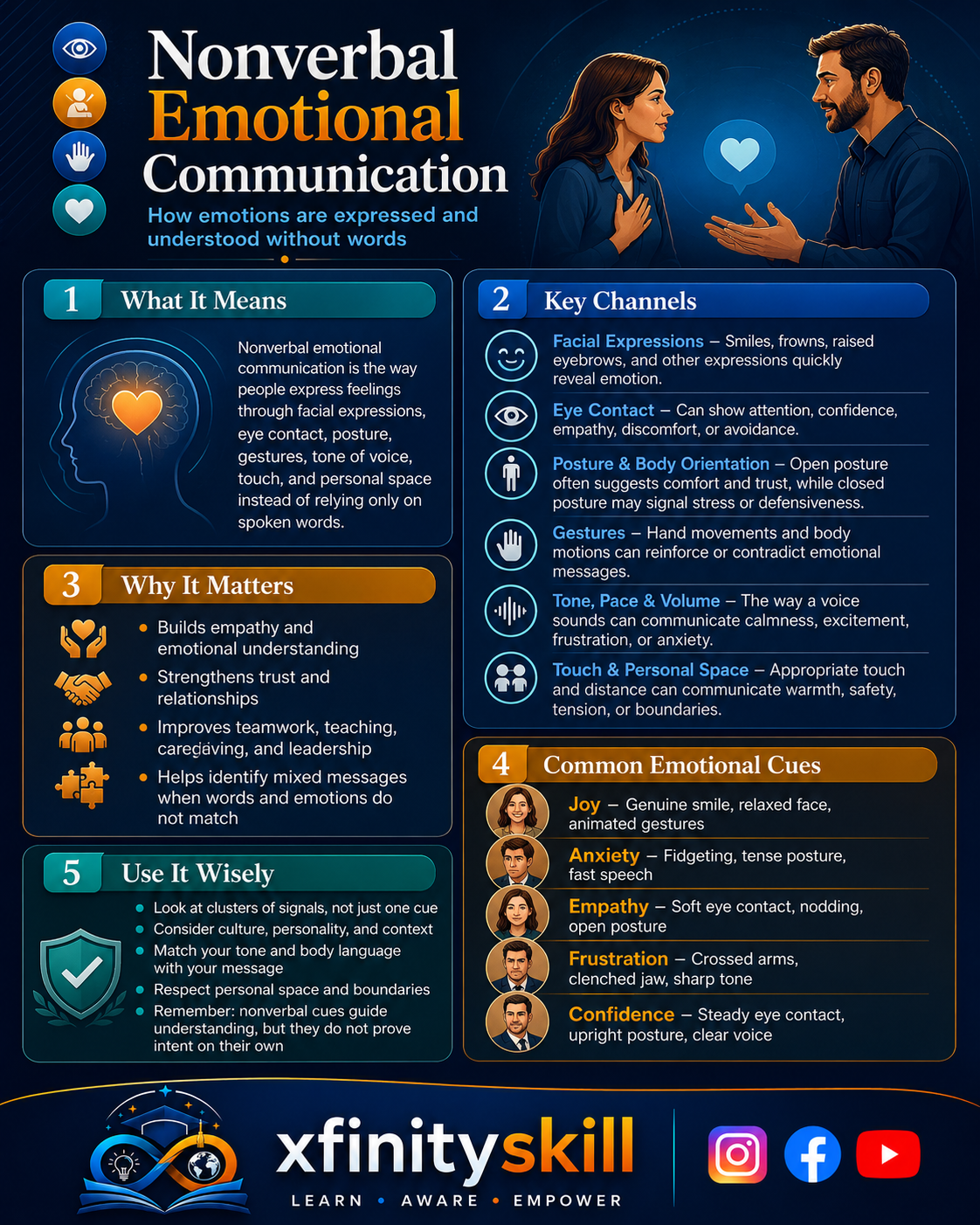
Nonverbal Emotional Communication
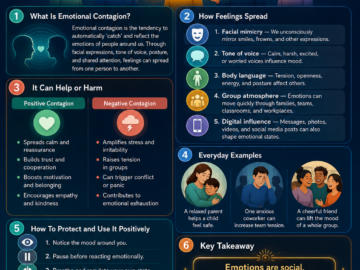
Nonverbal emotional communication plays a crucial role in how we express and interpret feelings without the use of words. It encompasses a variety of cues, including facial expressions, body language, gestures, posture, and even tone of voice. Understanding these nonverbal signals can enhance our interpersonal relationships and improve our ability to connect with others on a deeper emotional level.
Facial expressions are perhaps the most immediate and recognizable form of nonverbal communication. A smile can convey happiness and warmth, while a frown may indicate sadness or disapproval. Research shows that certain facial expressions are universally understood, transcending cultural boundaries. This innate ability to read emotions through facial cues allows us to respond appropriately in social situations.
Body language is another significant aspect of nonverbal communication. The way we position ourselves, our movements, and our gestures can reveal a wealth of information about our emotional state. For instance, crossed arms may suggest defensiveness or discomfort, while open body posture can indicate confidence and receptiveness. Being aware of our own body language, as well as that of others, can lead to more effective communication and understanding.
Eye contact is a powerful nonverbal cue that can convey a range of emotions, from trust and intimacy to aggression and discomfort. Maintaining appropriate eye contact can foster connection and engagement, while avoiding it may signal disinterest or anxiety. The context and cultural norms also play a significant role in how eye contact is interpreted.
In addition to these cues, tone of voice adds another layer to nonverbal emotional communication. The pitch, volume, and rhythm of our speech can convey emotions such as excitement, anger, or sadness. For example, a raised voice may indicate frustration, while a softer tone can express empathy or concern. Being attuned to these vocal nuances can enhance our understanding of the emotional context behind spoken words.
In conclusion, nonverbal emotional communication is an essential component of human interaction. By honing our ability to read and respond to nonverbal cues, we can improve our emotional intelligence and foster more meaningful connections with others. Whether in personal relationships or professional settings, being aware of the subtleties of nonverbal communication can lead to more effective and empathetic interactions.