Melatonin: What It Does and What It Does Not Do
Melatonin is a hormone that plays a crucial role in regulating sleep-wake cycles. Produced by the pineal gland in the brain, its levels rise in the evening, signaling to the body that it’s time to sleep, and decrease in the morning, helping to wake us up.
What Melatonin Does
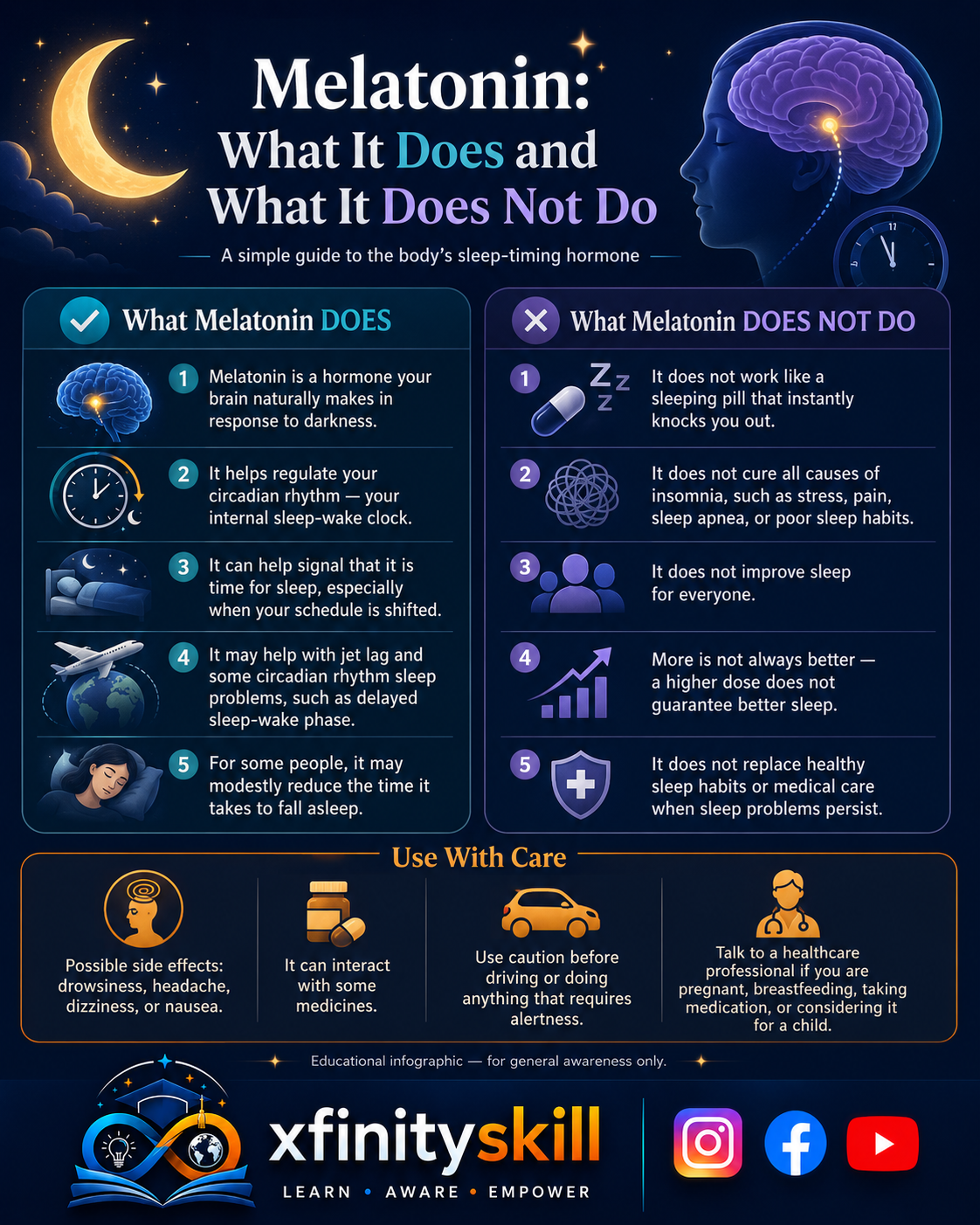
- Regulates Sleep Patterns: Melatonin is primarily known for its role in promoting sleep. It helps to signal the body when it’s time to rest, making it a popular supplement for those struggling with insomnia or jet lag.
- Supports Circadian Rhythms: This hormone is essential for maintaining our circadian rhythms, which are the natural cycles that dictate our sleep and wakefulness. By helping to synchronize these rhythms, melatonin can improve overall sleep quality.
- Antioxidant Properties: Melatonin also has antioxidant effects, which means it can help protect cells from damage caused by free radicals. This property may contribute to its potential benefits in reducing the risk of certain diseases.
- Immune System Support: Some studies suggest that melatonin may enhance immune function, helping the body to fight off infections and diseases.
What Melatonin Does Not Do
- Cure Insomnia: While melatonin can help improve sleep onset and quality, it is not a cure-all for insomnia. It may not address underlying issues such as anxiety or depression that contribute to sleep disturbances.
- Act as a Sedative: Unlike traditional sleep medications, melatonin does not induce sleep in the same way. It helps to regulate the sleep cycle rather than forcing the body to sleep.
- Guarantee Sleep: Taking melatonin does not guarantee that you will fall asleep immediately. Its effectiveness can vary based on individual factors, including the timing of the dose and personal sleep habits.
- Replace Good Sleep Hygiene: Melatonin should not be seen as a substitute for good sleep practices. Maintaining a regular sleep schedule, creating a comfortable sleep environment, and limiting screen time before bed are essential for optimal sleep health.
Conclusion
Melatonin can be a helpful tool for managing sleep-related issues, but it is important to understand its limitations. It works best when combined with healthy sleep habits and should be used under the guidance of a healthcare professional, especially for long-term use. As research continues, our understanding of melatonin’s full range of effects will likely expand, providing further insights into its role in health and wellness.