Sleep Debt: What Happens When You Don’t Sleep Enough
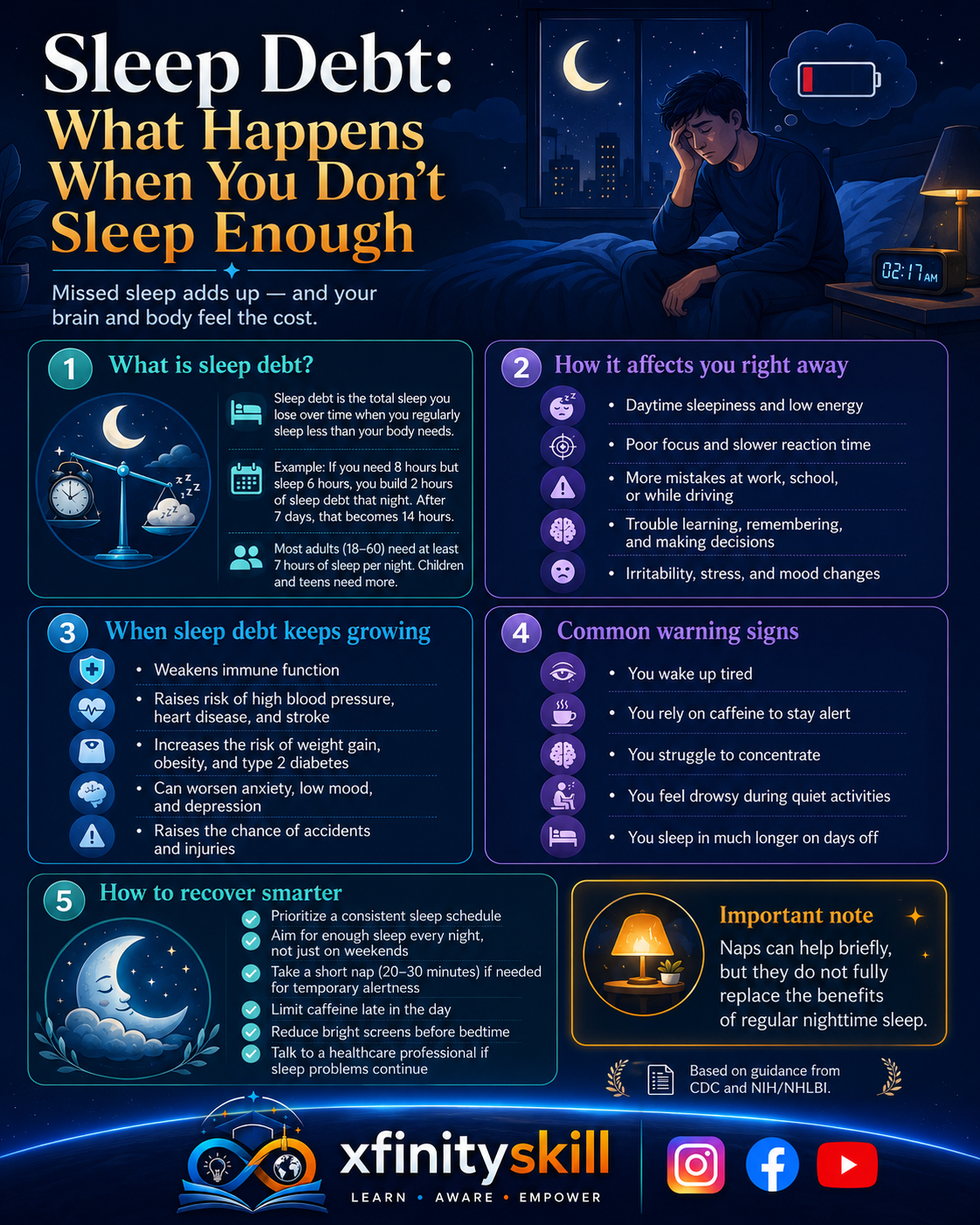
Sleep is essential for our overall health and well-being, yet many of us find ourselves in a constant state of sleep debt. Sleep debt occurs when you consistently get less sleep than your body needs, leading to a cumulative deficit that can have serious consequences.
When you don’t sleep enough, your body and mind begin to suffer. Here are some key effects of sleep debt:
- Cognitive Impairment: Lack of sleep affects your ability to think clearly, concentrate, and make decisions. Studies have shown that sleep deprivation can impair attention, alertness, concentration, reasoning, and problem-solving skills.
- Emotional Distress: Insufficient sleep can lead to mood swings, irritability, and increased stress levels. Chronic sleep deprivation is linked to mental health issues such as anxiety and depression.
- Physical Health Risks: Sleep debt can weaken your immune system, making you more susceptible to illnesses. It is also associated with a higher risk of chronic conditions such as obesity, diabetes, and cardiovascular diseases.
- Hormonal Imbalance: Sleep plays a crucial role in regulating hormones that control appetite and metabolism. Lack of sleep can lead to increased levels of ghrelin (the hunger hormone) and decreased levels of leptin (the satiety hormone), which can contribute to weight gain.
- Decreased Performance: Whether at work or in sports, sleep deprivation can hinder performance. Reaction times slow down, and the risk of accidents increases, particularly in activities that require alertness, such as driving.
- Long-term Consequences: Chronic sleep debt can lead to more severe health issues over time, including neurodegenerative diseases like Alzheimer’s. The brain requires sleep to clear out toxins that accumulate during the day, and insufficient sleep can hinder this process.
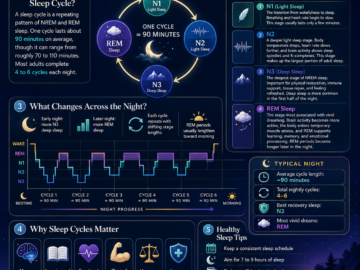
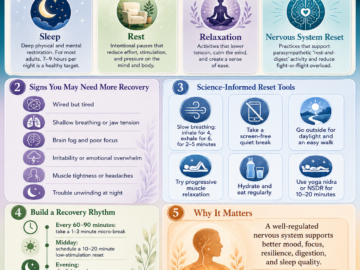
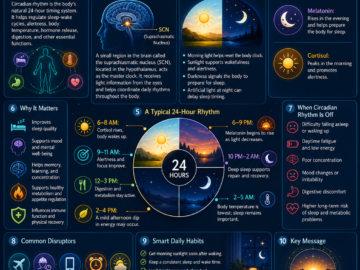
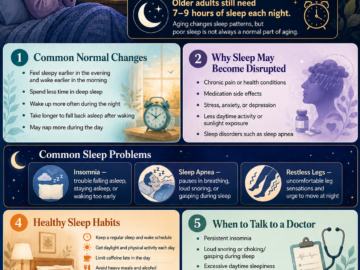
To combat sleep debt, it’s essential to prioritize sleep hygiene. This includes establishing a regular sleep schedule, creating a restful environment, and avoiding stimulants like caffeine close to bedtime. If you find yourself struggling with sleep, consider consulting a healthcare professional for guidance.
In conclusion, sleep debt is a serious issue that can affect every aspect of your life. By understanding its impacts and taking steps to improve your sleep habits, you can enhance your overall health and well-being. Prioritizing sleep is not just a luxury; it’s a necessity for a healthy, productive life.