The Science of Sleep Cycles
Sleep is a complex biological process that plays a crucial role in our overall health and well-being. Understanding sleep cycles is essential for optimizing our sleep quality and enhancing our daily functioning.
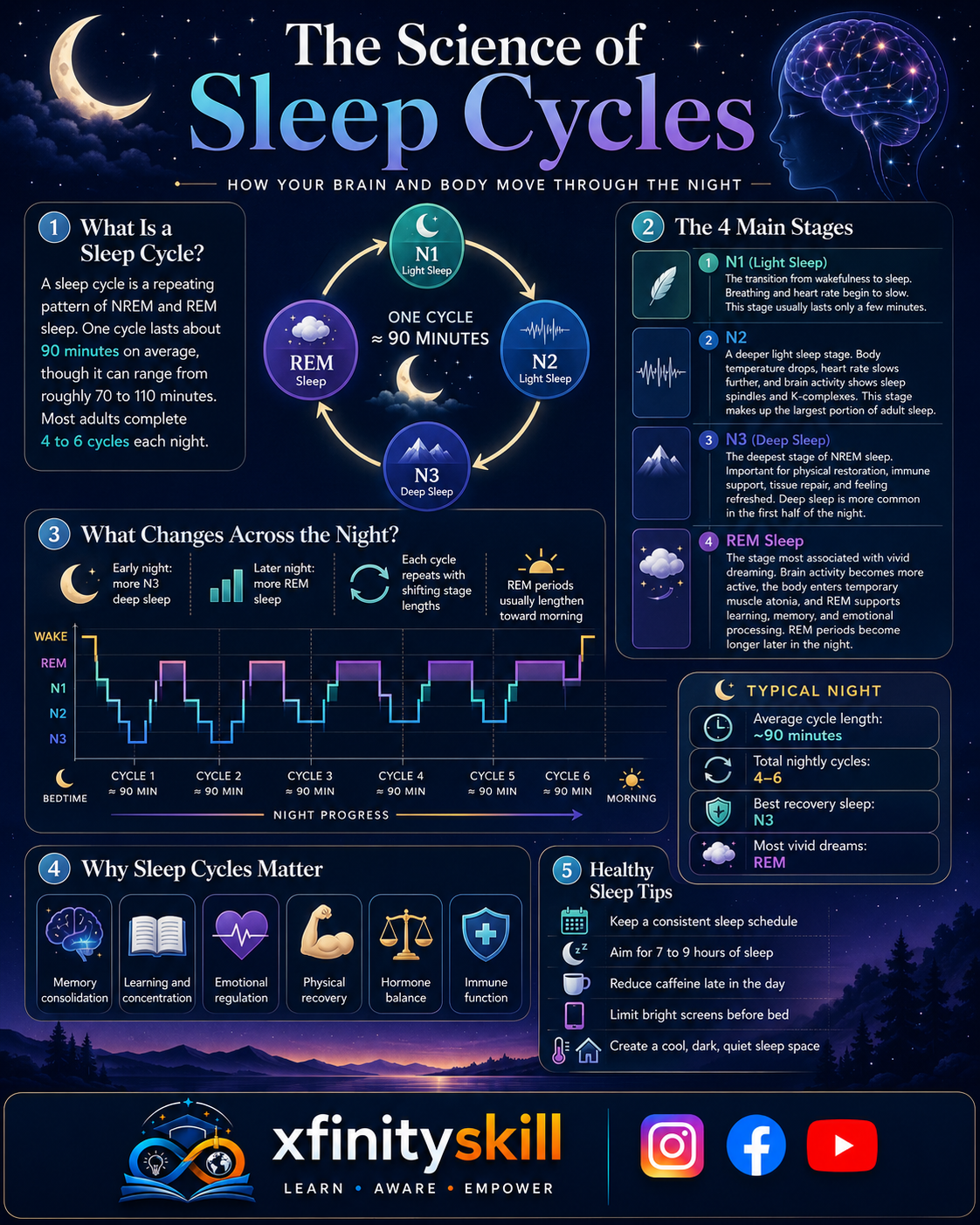
A typical sleep cycle lasts about 90 minutes and consists of several stages, which can be broadly categorized into two types: Non-Rapid Eye Movement (NREM) sleep and Rapid Eye Movement (REM) sleep.
NREM Sleep Stages:
- Stage 1 (Light Sleep): This is the transition phase between wakefulness and sleep. It lasts for a few minutes and is characterized by slow brain waves and reduced muscle activity. During this stage, you can be easily awakened.
- Stage 2 (Moderate Sleep): In this stage, your heart rate slows, and body temperature decreases. Sleep spindles and K-complexes, which are bursts of brain activity, occur, indicating that the brain is processing information. This stage typically lasts for about 20 minutes.
- Stage 3 (Deep Sleep): Also known as slow-wave sleep, this stage is crucial for physical restoration and recovery. It is during deep sleep that the body repairs tissues, builds bone and muscle, and strengthens the immune system. Awakening from this stage can leave you feeling groggy.
REM Sleep:
After progressing through the NREM stages, the body enters REM sleep, which is characterized by rapid eye movements, increased brain activity, and vivid dreaming. This stage is essential for cognitive functions such as memory consolidation, learning, and emotional regulation. REM sleep typically occurs about 90 minutes after falling asleep and can last up to 30 minutes in longer sleep cycles.
Importance of Sleep Cycles:
The interplay between NREM and REM sleep is vital for maintaining mental and physical health. Disruptions in sleep cycles can lead to various health issues, including sleep disorders, cognitive decline, and increased stress levels.
To promote healthy sleep cycles, consider the following tips:
- Maintain a consistent sleep schedule by going to bed and waking up at the same time every day.
- Create a relaxing bedtime routine to signal your body that it’s time to wind down.
- Limit exposure to screens and bright lights before bedtime, as they can interfere with melatonin production.
- Ensure your sleep environment is comfortable, dark, and quiet.
By understanding the science of sleep cycles and implementing healthy sleep habits, you can improve your sleep quality and overall well-being.